
 English
  Español


In the contact card, “stability” is not a single metric but typically encompasses four aspects:read/write reliability, chip durability, long-term platform security, and supply chain reliability. Infineon’s contact card emphasizes high durability, a 10-year service life, flexible card architecture, and mature technology; its broader range of security controllers emphasizes supply reliability and future-proof security technology. Fudan’s […]

As a smart card manufacturer, we design comprehensive solutions tailored to our clients’ specific application scenarios, covering every stage from chip and material selection to printing, interface design, quality control, and packaging. This allows us to transform Java Card requirements into practical, durable, and market-ready custom Java Card solutions. Starting with the Java Card Application […]

The true value of DESFire technology lies in its ability to transform 13.56MHz RFID cards into a secure, standards-compliant platform suitable for access control, public transportation, smart city services, mobile credentials, and other high-trust applications. NXP positions the MIFARE DESFire EV3 as a high-security IC for contactless smart city services. The chip complies with ISO/IEC […]

A custom Java Card is more than just a plastic card with an embedded chip. It is a secure execution platform that runs multiple applications on a single tamper-resistant device. Given the diverse customization requirements, Java Cards have become the preferred choice for products in payment, identity verification, transportation, access control, and security authentication. For […]

Offline digital currency transactions place extremely high demands on the smart card itself. Unlike standard online payment processes, these transactions cannot rely on remote authorization servers during use. The card must make security decisions locally. It must protect the stored funds, verify transaction logic, enforce security rules, and resist cloning or tampering even when the […]

The 125 kHz RFID card remains one of the most widely used low-frequency cards today, offering organizations a fast, stable, and easily deployable method for the proximity identification of individuals or objects. Furthermore, it boasts rapid read speeds, performs exceptionally well in controlled-access environments, and can be deployed at scale without a complex technical ecosystem. […]
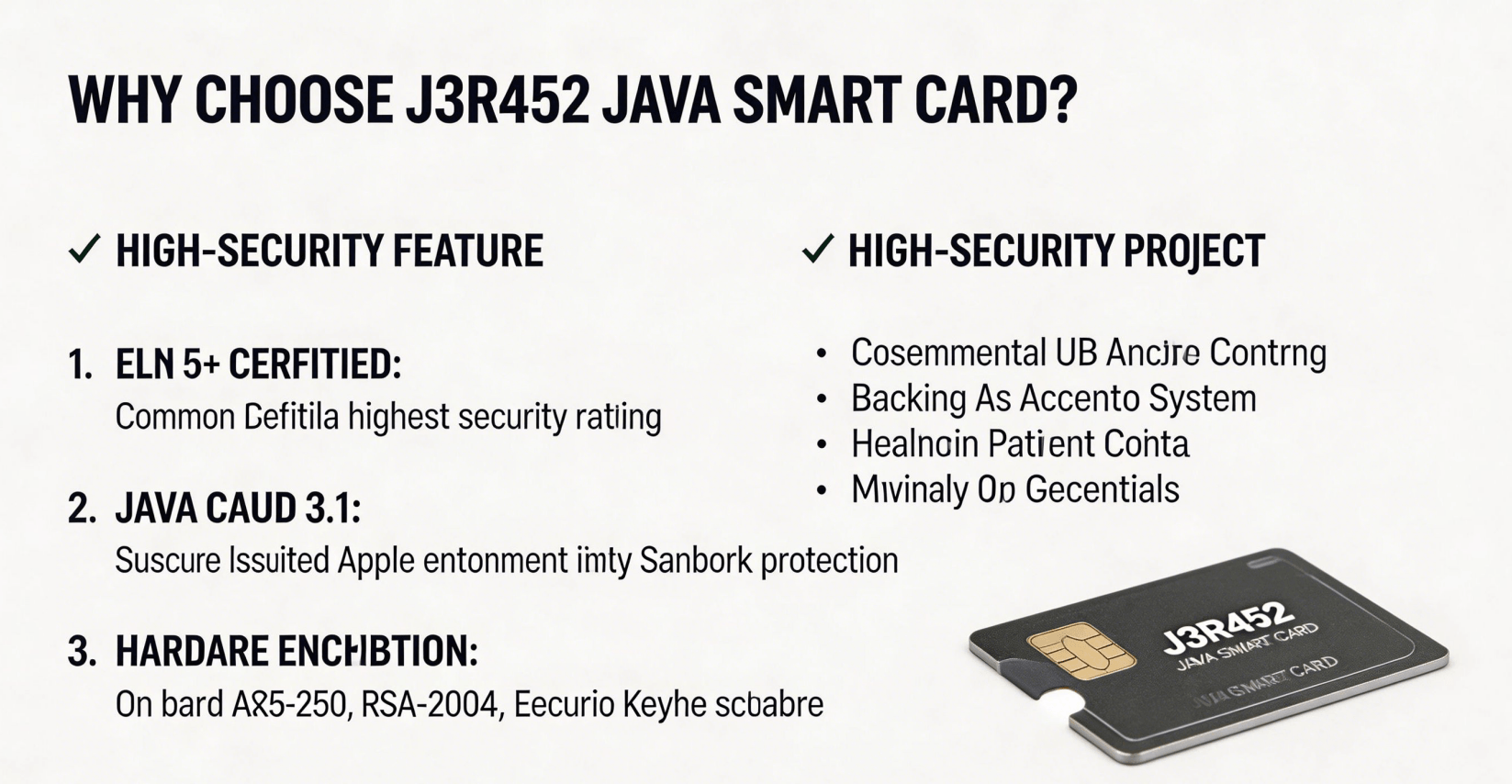
High-security projects choose Java smart cards because they can withstand technical reviews, operational stress, and the demands of a long lifecycle. The NXP P71 JCOP 4.5 J3R452 Java smart card is a dual-interface JCOP 4.5 card based on the P71D600/SmartMX3 platform, running Java Card 3.0.5 Classic and GlobalPlatform 2.3.1. This combination meets the operational requirements […]

In the global financial payments industry, the security level of a smart card chip directly determines whether it can be used for credit card transactions, cross-border payments, and high-security authentication. Modern payment systems no longer evaluate chips solely by storage capacity or communication speed; instead, they focus on whether the chip has passed internationally recognized […]

When using a smart card platform for financial payments, users do not prioritize brand or memory capacity. Instead, they focus on whether the chip can ensure secure, fast, and predictable transactions every time a cardholder taps, inserts, or reuses the card. In the payment sector, reliability is at the core of smart cards. That is […]
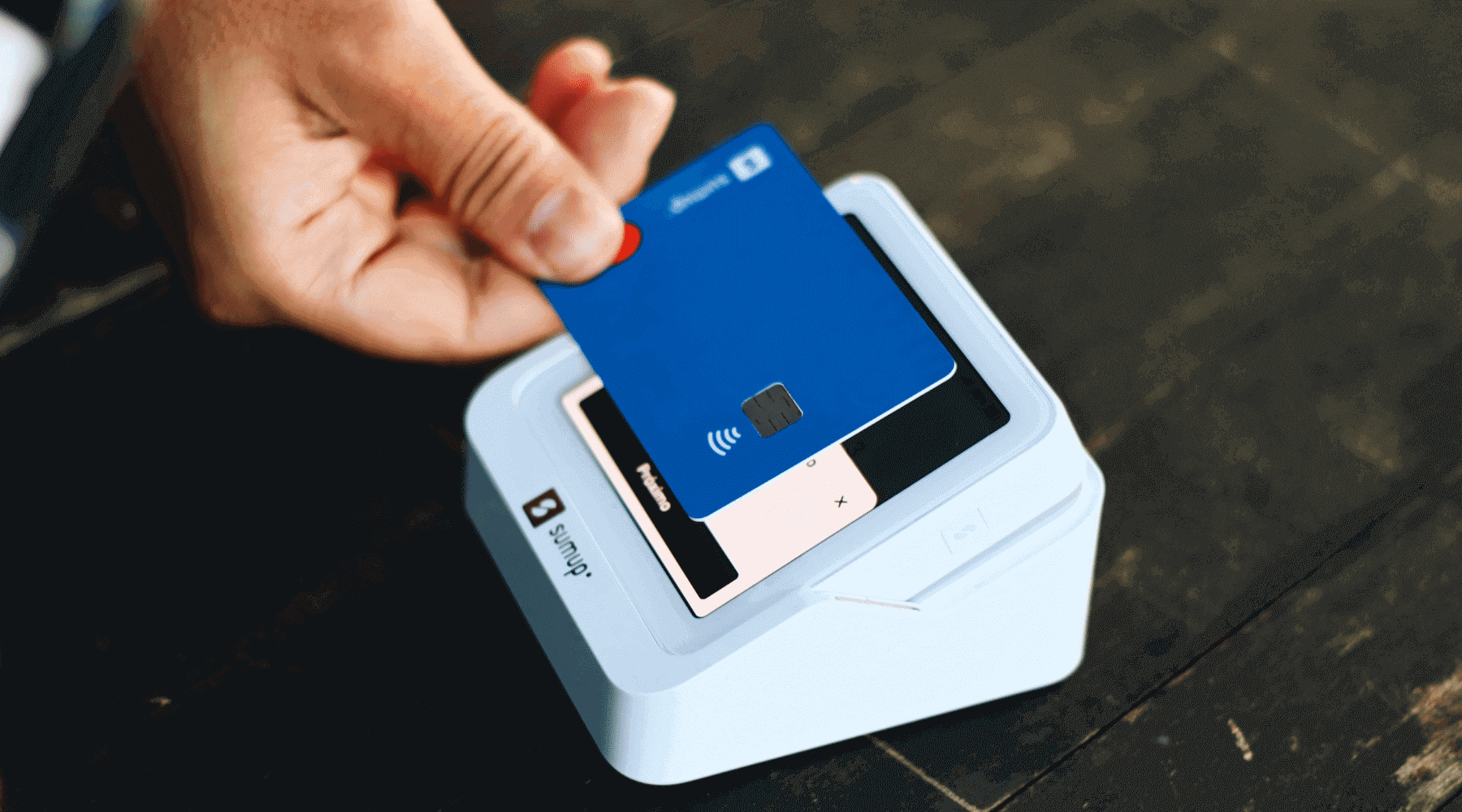
The operating frequency of an RFID smart card determines its communication method, read range, security, and optimal use cases.Selecting the appropriate frequency requires balancing technical performance with actual business needs.125 kHz RFID cards may be ideal for simple access control.13.56 MHz RFID cards, on the other hand, may be better suited for secure identity verification, […]