
 English
  Español

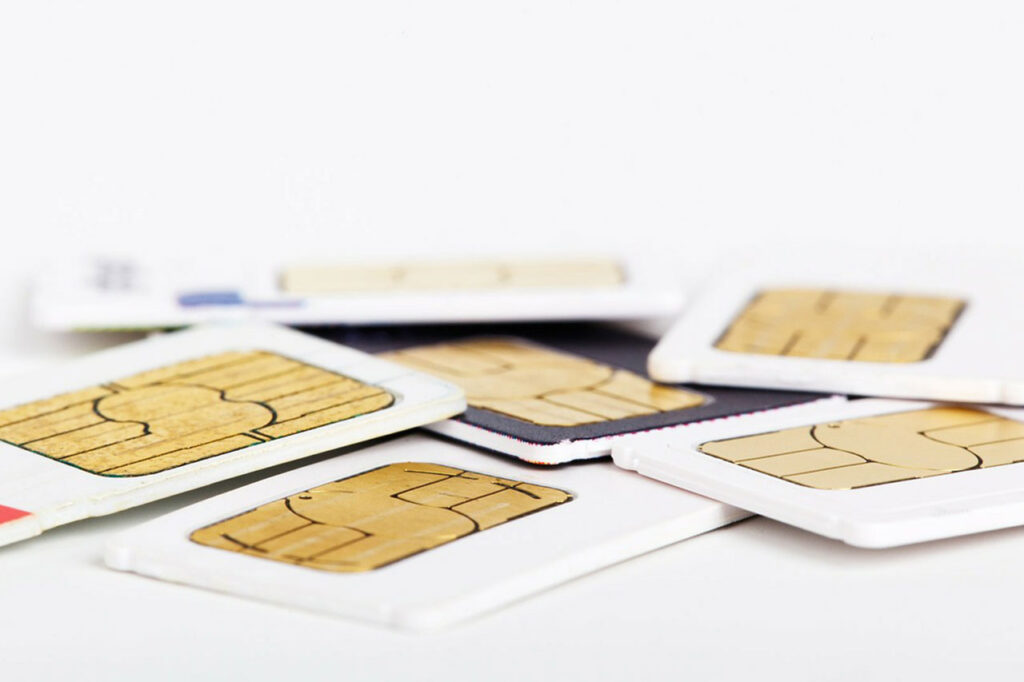
A Java SIM card is a smart SIM card embedded with the Java Card platform. Beyond providing the identity authentication and storage capabilities of traditional SIM cards, it can also execute customized Java applications such as carrier services, security authentication, NFC payments, and more. The 64KB and 128KB figures refer to the available storage capacity. While 64KB is typically sufficient for focused, streamlined deployments, 128KB offers more space for richer applets, larger data objects, and additional services. Drawing on SIM card standards and typical use cases, we will provide a detailed comparison of the functional differences and applicable scenarios between 64KB and 128KB Java SIM cards, offering recommendations for selection based on specific deployment needs.
The Standard Concept of Java SIM Card
A Java SIM card is a type of SIM card that supports the Java Card platform. It adheres to international smart card standards (such as ISO/IEC 7816) and mobile communication standards (such as 3GPP/ETSI SIM/USIM specifications), and implements GlobalPlatform’s Secure Element (SE) specifications. Many of the world’s leading mobile operators (such as China Mobile and China Unicom) have already adopted Java SIM cards to deploy value-added services—for instance, using the SIM card to offer personalized ringback tones, multi-network support, customized menus, mobile banking, and location-based services.
Java SIM cards not only possess the identity recognition and cryptographic authentication capabilities of traditional SIM cards but also provide operators and service providers with a more open and flexible application environment. According to data from SIM card manufacturers such as HKCARD, typical carrier-grade SIM chips support a variety of memory configurations, including 32KB, 64KB, 128KB, 256KB, and even larger capacities.
64KB Java SIM Cards: Features and Applicable Scenarios
The 64KB Java SIM card continues to hold a significant position within the mobile market. According to industry reports, the 64KB Java SIM segment commands the largest market share, representing the highest-volume category within the SIM card market. This is primarily because 64KB cards effectively meet the requirements of most traditional mobile phones and simple IoT devices while keeping costs relatively low. In terms of functionality, 64KB Java SIM cards support the fundamental security and communication features associated with GSM/USIM standards, including voice calls, SMS messaging, and GPRS/EDGE data access. Additionally, it is compatible with SIM Toolkit (STK) applications, allowing operators to deploy basic menus and service options directly on the card.
64KB Java SIM cards are typically utilized in the following application scenarios:
General Mobile Communication: For standard mobile users whose primary activities consist of voice calls and SMS messaging, 64KB of memory is sufficient to meet daily requirements. It provides adequate storage for contact book data and supports simple STK services.
Traditional Operator Value-Added Services: Operators leverage SIM cards to deliver lightweight value-added services, such as personalized ringback tones, SMS banking, and small-scale information dissemination. These services require very little storage, so you can fully run them on a 64KB SIM card.
Internet of Things (IoT) Devices: IoT applications with modest memory requirements such as smart meters and environmental monitoring terminals typically require only a stable connection and basic authentication; a standard 64KB SIM card is sufficient to meet these needs.
If a user only needs basic voice calls, SMS messaging, and a few simple value-added apps, a 64KB Java SIM card is more than enough. These cards are more cost-effective and offer excellent compatibility across traditional mobile networks worldwide.
128KB Java SIM Card: Functional Advantages and Applicable Scenarios
Java SIM cards with 128KB of storage offer significantly more space, enabling them to support a richer, more complex array of functions. They can store a larger volume of contacts and SMS messages; for instance, the 128KB USIM card launched by Schlumberger (now Thales) for Globe Telecom in the Philippines can store up to 750 phonebook entries and 100 SMS messages, in addition to running multiple Java applications. This substantial increase in capacity makes the 128KB card well-suited for hosting additional security credentials, application-specific data, and system logs, extending its utility far beyond mere storage of basic user information.
In terms of network support, 128KB cards are also highly compatible with next-generation communication technologies. They fully comply with the USIM standards required by 3G, 4G, and 5G networks and enable advanced features such as built-in browsers (WIB) and SIM-based data modulation.
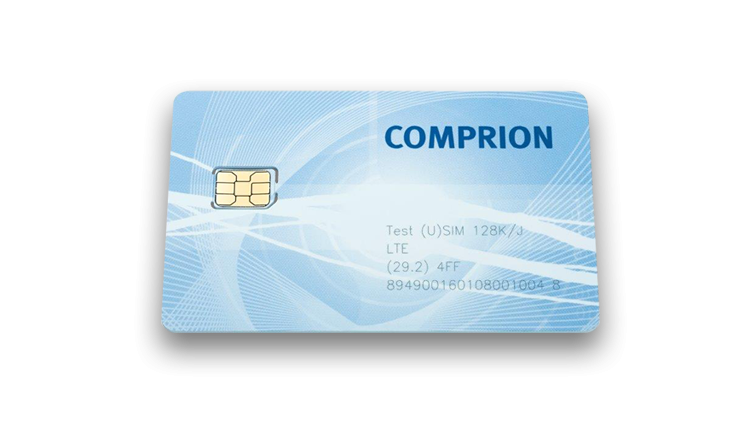
Application scenarios for 128KB cards include:
Smartphones and High-End Devices: Devices that require support for advanced mobile applications (such as mobile wallets, social networking, push notifications, etc.) are typically equipped with 128KB SIM cards to accommodate additional storage needs and more complex security features.
High-Speed Data Services: In 4G/5G networks, SIM cards often need to store a larger volume of operator profiles, authentication keys, and uplink/downlink session information; the 128KB capacity is better suited to meet these demands.
High-End IoT Applications: For IoT devices requiring long-term operation and support for remote updates (such as smart vehicles, smart grids, etc.), Java SIM cards with 128KB of storage space offer enhanced security guarantees (allowing for the storage of more encryption algorithms and keys), support for more frequent OTA updates, and greater capacity for logs and applications.
Deployment Requirements Comparison and Selection Recommendations
The choice between a 64KB and a 128KB Java SIM card should be based on a comprehensive assessment of specific application scenarios, cost budgets, and other factors.
- If the target application scenario involves traditional mobile communications (2G/3G), basic IoT applications, or feature phone users—that is, scenarios where the primary requirements center on voice calls, SMS, and a limited number of value-added services—then a 64KB Java SIM card would be an appropriate choice.
- If your application needs to support 4G/5G networks, run multiple applications, or handle services with strict security requirements, you should choose a 128KB Java SIM card. Its larger storage capacity and computing resources enable it to support a greater number of applications and more complex algorithms, making it suitable for deployment environments with exceptionally high demands for reliability and security, such as IoT projects requiring remote management, frequent updates, and long-term maintenance.
Selecting Based on Explicit Requirements
As a smart card that integrates communication, security, and programmability, a Java SIM card’s memory capacity choice significantly impacts deployment outcomes. The 64KB Java SIM card is more mature, reliable, and cost-effective, making it suitable for basic voice/SMS communication and simple value-added service scenarios; conversely, the 128KB Java SIM card possesses superior storage and processing capabilities, enabling it to effectively address the demands of high-speed data, complex applications, and long-term maintenance. Operators and enterprises should select the appropriate memory capacity based on specific network standards, application requirements, and future planning. A 64KB Java SIM card works well for traditional 2G/3G networks and simple IoT devices. However, if you’re building high-performance devices for 4G/5G networks, international SIM services, or applications that need to run multiple secure functions, you should prioritize a 128KB Java SIM card.