
 Español
  English


The JCOP J3R150 card is designed specifically for secure identity authentication, payments, and multi-application environments settings where compliance standards, cryptographic strength, interface flexibility, and deployment efficiency are paramount. It is positioned as a Java Card tailored for the EMV and secure identity sectors; built upon Java Card, GlobalPlatform, and ISO standards, it supports both contact-based and dual-interface application scenarios, complies with Java Card 3.0.5 and GlobalPlatform 2.3 specifications, and features extensive cryptographic processing capabilities.
High-Security Architecture Certification for the JCOP J3R150 Card
The JCOP J3R150 card’s most significant technical advantage lies in its standards-based foundation. It supports both GlobalPlatform 2.3 and Java Card 3.0.5. These standards provide issuers and developers with a common framework for application lifecycle control, secure applet loading, and controlled card personalization.
GlobalPlatform support establishes a secure operational model for both card issuance and post-issuance management. With the JCOP J3R150 cards, you can load and update applications within a controlled, secure architecture, without relying on ad hoc solutions. This reduces operational risk and facilitates long-term maintenance.
The Java Card platform enables developers to build portable, modular applications that run within a secure execution environment. Support for Java Card 3.0.5 provides project teams with a mature programming model, along with robust security controls and lifecycle management tools.

Providing Secure Channel Protection for Confidential Communications
The JCOP J3R150 card addresses this challenge through the GlobalPlatform Secure Channel Protocols 01, 02, and 03, which enable secure communication during key transfer, personalization, and application loading. These secure channel protocols safeguard sensitive operations against interception or tampering. When transmitting card credentials, cryptographic keys, or application packages, secure channels help maintain confidentiality, integrity, and authenticity. This makes the Java Card suitable for high-value applications such as banking, government identity programs, telecommunications, and enterprise access control systems. From initial personalization to in-field management, the JCOP J3R150 card reduces risk exposure and enhances trust in every transaction.
JCOP J3R150 Card with Multi-Algorithm Encryption Support
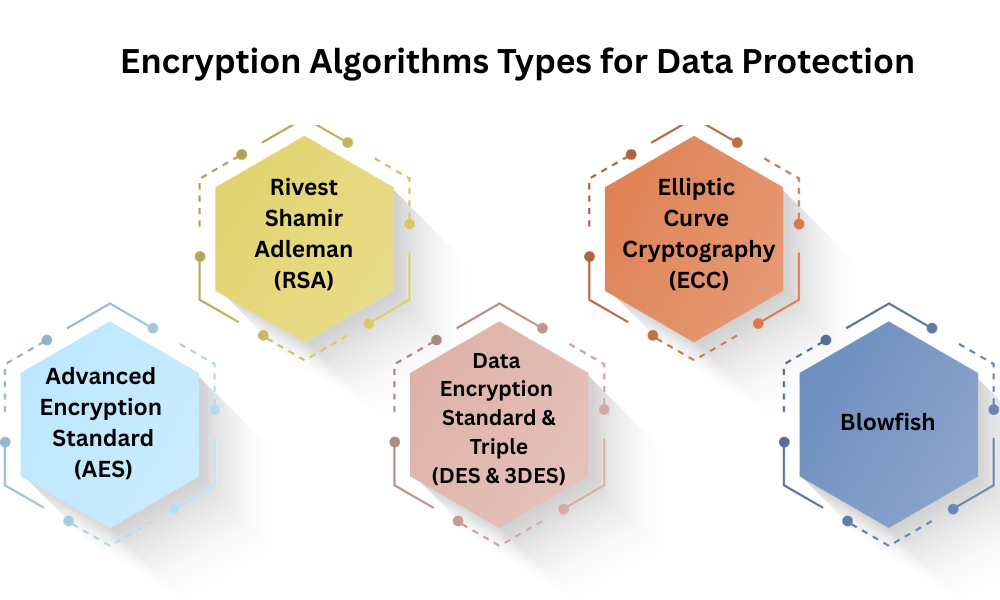
Support for a variety of mainstream encryption algorithms is a key feature of the JCOP J3R150 card, including RSA, ECC, AES, and DES.
RSA remains widely utilized in identity verification and traditional enterprise systems. ECC offers robust security while maintaining relatively efficient key lengths—a highly attractive attribute for resource-constrained devices and modern authentication workflows. AES serves as a core symmetric encryption standard, extensively deployed in secure communication and data protection domains. Meanwhile, support for DES remains relevant in compatibility scenarios where legacy infrastructure continues to operate. The significance of the J3R150 Java Card lies in its integration of these algorithms into a single platform designed specifically for secure, high-reliability applications. This provides solution architects with greater flexibility when designing systems for projects in the finance, telecommunications, transportation, or government sectors.
Hardware Acceleration for Enhanced Security Efficiency
While a smart card platform may support powerful algorithms, performance can become a bottleneck if it can’t execute those algorithms efficiently. The JCOP J3R150 card features built-in hardware acceleration modules that offload computationally intensive cryptographic operations from the main processing workflow, thereby enhancing speed and consistency while maintaining robust security.
Hardware acceleration is particularly critical in environments characterized by high transaction volumes. Payment verification, mutual authentication, digital signature generation, and secure session establishment all necessitate cryptographic computations. If these operations are executed slowly, users will experience delays, and card issuers may face throughput limitations. By leveraging hardware acceleration, the J3R150 Java Card can process security operations more efficiently, thereby helping to ensure a seamless user experience.
Dual-Interface Support for a Wide Range of Deployment Scenarios
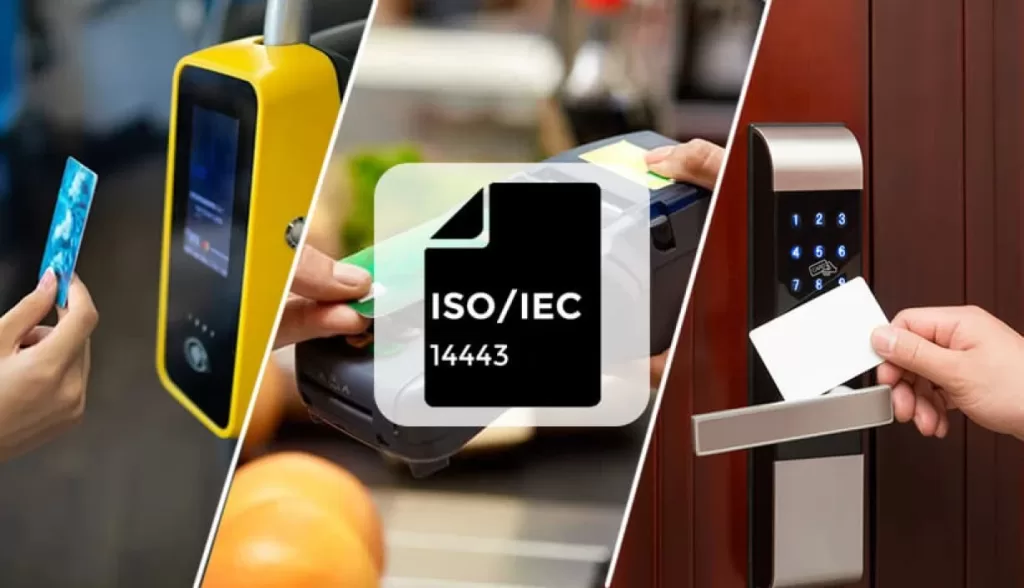
Another distinguishing feature of the JCOP J3R150 card is its dual-interface communication capability. It simultaneously supports contact-based communication compliant with ISO 7816 and contactless communication compliant with ISO 14443 Type A. This dual support significantly expands both the scope and the ways the card can be applied.
You can use contact cards for applications like traditional banking services and secure government-issued credentials. On the other hand, people prefer contactless cards in areas like transportation, mobile payments, and access control, basically any high-traffic environment where convenience and speed matter most. The J3R150 Java Card supports both interface types simultaneously, enabling issuers to build a unified platform strategy suitable for a wide range of deployment scenarios. Enterprises no longer need to manage distinct chip families for different use cases; instead, they can standardize around a single, secure card architecture. This architecture also makes it easier to deploy across platforms when one card needs to support multiple functions, such as combining payment capabilities with identity verification or linking access control with loyalty programs.
High-Speed Data Transmission Delivers a Faster User Experience
The J3R150 Java Card delivers robust communication performance across both its contact and contactless interfaces. The contact interface supports up to 614 kbit/s, while the contactless interface supports up to 848 kbit/s. Furthermore, it supports Very High Bit Rate (VHBR) speeds of up to 3.2 Mbit/s, which can further enhance transaction performance in compatible environments.
Users often judge the quality of a card system based on its responsiveness. A slow-performing secure card can lead to user frustration, long queues, and operational inefficiencies. The J3R150 Java Card helps mitigate these friction points. Faster communication speeds facilitate quicker transaction completion, improve card reader responsiveness, and support high-traffic environments where throughput is critical.
Flexible Customization: The JCOP J3R150 Card for Diverse Business Applications
The JCOP J3R150 card offers a wide range of customization options, making it suitable for a variety of commercial and institutional applications. These options include card form factors (such as Nano SIM specifications), surface finishes, graphic printing, and packaging formats. In consumer-facing projects, the card’s physical appearance plays a significant role in shaping brand perception. In enterprise and government projects, standardized dimensions and packaging impact logistics, regulatory compliance, and user acceptance. The J3R150 Java Card addresses these requirements by allowing issuers to tailor the physical card to its intended use case.
For payment or identity verification projects, visual customization aids in brand promotion, anti-counterfeiting measures, and clear product differentiation. For mass issuance projects, packaging customization can significantly improve efficiency in storage, shipping, and distribution. In this regard, the JCOP J3R150 card demonstrates a unique advantage, combining technical sophistication with commercial adaptability.

A Highly Secure Dual-Interface Smart Card
The JCOP J3R150 card stands out because it supports GlobalPlatform 2.3, Java Card 3.0.5, and Secure Channel Protocols 01/02/03, which gives it a strong and reliable security foundation. It supports a wide range of encryption algorithms, including RSA, ECC, AES, and DES, enabling it to accommodate diverse encryption requirements. Its dual-interface design and high-speed communication capabilities make it suitable for use in both traditional and modern application environments. Furthermore, its extensive customization options enable it to be tailored for a range of use cases, including SIM cards, payment systems, identity verification, and access control.