
 Español
  English


Micropayments represent one of the common application domains for Java smart card, integrating secure on-card execution, multi-application flexibility, and broad standards compatibility onto a single platform. Oracle describes Java Card as a secure, interoperable execution platform optimized for secure elements capable of storing and updating multiple applications on a single resource-constrained device. This combination is precisely what is required in high-frequency, low-value payment environments.
Core Functions of Java Smart Card for Enabling Convenient Payments
A secure, trusted execution environment is the primary reason Java Card is so highly trusted in the micropayment sector. Oracle’s Java Card specifications state that the platform includes a runtime environment designed for secure elements, providing application isolation through firewalls and sharing mechanisms. Its security white paper further emphasizes that Java Card was designed with security at its core from the very outset, incorporating features such as transaction atomicity, cryptographic services, and applet firewalls.
This secure operating environment becomes especially important when people use the card for real payments or services with tangible value. For example, NXP Semiconductors designed the JCOP Pay platform specifically for payment and authentication use cases—it supports contact, contactless, and dual-interface operations and provides built-in cryptographic support for algorithms like DES, 3DES, AES, RSA, ECC, and SHA. In a micropayment environment, this secure execution model safeguards every swipe, insertion, or card-based debit transaction against data theft and tampering. It also isolates payment logic from unrelated applets, thereby enabling a single card to simultaneously host functions for public transit, access control, loyalty points, or identity verification.

The Flexible, Multi-Application Architecture of Java Card
Another major advantage of Java smart cards lies in their multi-application architecture. Java Card enables the storage and updating of multiple applications on a single device. At the same time, GlobalPlatform defines how systems manage, load, and protect card content through “Security Domains.” Each application and executable load file belongs to a specific security domain, and you can run multiple security domains on the same card while keeping their keys and responsibilities separate. It is precisely this architecture that enables a single card to simultaneously fulfill the requirements of payment, access control, and identity verification without collapsing into a fragile, monolithic service.
This capability is crucial, as the micropayment ecosystem continues to expand. For example, a public transit card might subsequently require the addition of top-up functionality, cafeteria payment capabilities, or access control features. A municipal card may initially serve merely as a ticketing tool. Still, it subsequently evolves into a credential for accessing citizen services. Thanks to Java Card technology, these services can be added or updated after the card has been issued, facilitated through controlled application management and secure content loading.
Standardization and Broad Compatibility
Large-scale adoption of Java smart cards is achievable only if they demonstrate compatibility across various terminals, card reader vendors, and payment ecosystems. Interoperability lies at the very core of the Java Card platform; NXP’s JCOP documentation illustrates precisely how this principle translates into practical, real-world deployments. Specifically, the JCOP 4 documentation outlines support for Java Card v3.0.5 Classic Edition, GlobalPlatform standards, ISO 7816-3 contact-based communication, ISO 14443 contactless communication (up to 848 kbps), and dual-interface capabilities. Furthermore, Java Cards can leverage dedicated hardware accelerators to support a comprehensive suite of cryptographic algorithms, including DES, 3DES, AES, RSA, ECC, and SHA. This combination of features ensures that the card can function reliably across a wide spectrum of terminal environments.
In payments, EMVCo specifications serve as the global benchmark for secure card payment interoperability. These specifications establish the technical requirements for payment products to operate seamlessly and securely on a global scale; specifically, their contactless chip program enables secure transactions with both contactless chip cards and NFC-enabled mobile devices. For low-value payments—such as those for public transit—it is imperative that a single card functions reliably across diverse merchants, transit turnstiles, and service points without requiring custom integration for each specific instance.
Key Application Areas and Security Design of Java Smart Card
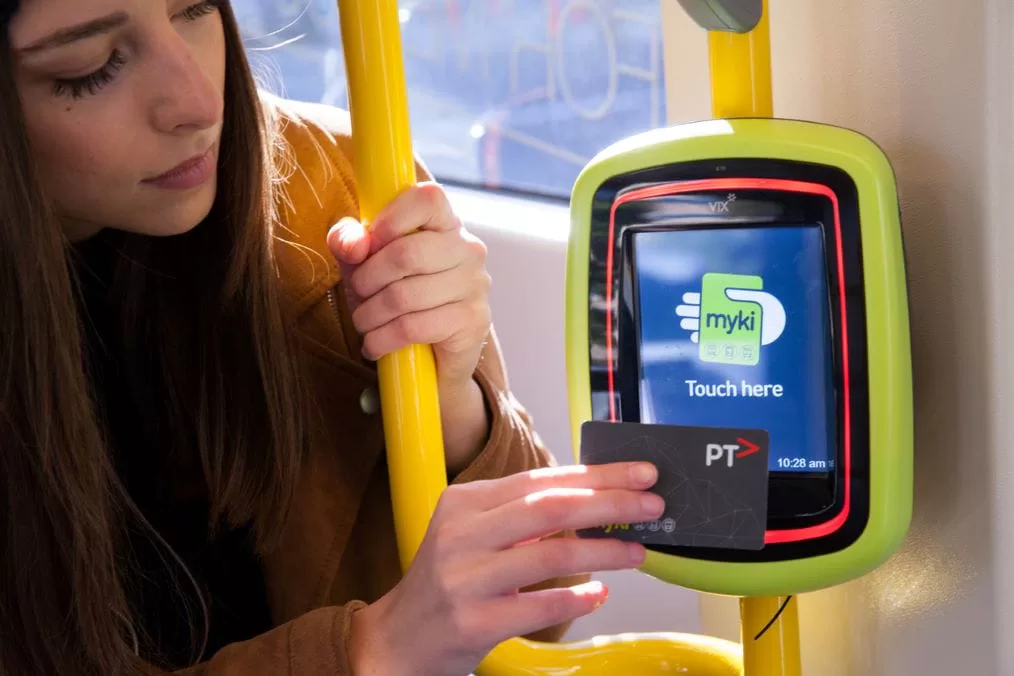
Public transportation stands as one of the most compelling application scenarios for Java smart cards. Indeed, public transit represents a core market for Java Card technology, serving as a primary avenue for its secure identity and payment solutions. Organizations can seamlessly integrate transit cards with payment services and, over time, expand them to support new applications. Within city-wide transit systems, this technology delivers tangible value: passengers enjoy a fast, consistent, and hassle-free card-tapping experience, while transit operators gain access to a secure credential platform that supports complex fare logic, future service enhancements, and long-term operational deployments.
The deployment of contactless Java Cards is particularly attractive because they integrate seamlessly with existing card reader environments, which are typically based on the ISO/IEC 14443 standard, and align with the broader EMV contactless payment ecosystem. EMVCo characterizes contactless chip cards and NFC-enabled devices as key enablers of seamless and secure transactions, with its specifications designed to ensure compatibility across a diverse array of terminals and acceptance devices worldwide.
Retail, Convenience Stores, and Utility Micropayments
Retail micropayments represent another key application area for Java Card technology. You can securely update and manage Java Card applets, a key advantage for cards used in fast-paced environments like supermarkets, fast-food outlets, and vending machines, where transactions are frequent and low in value. Card issuers expect reliability, while merchants need fast processing speeds, and Java Card meets both of these needs.
Both EMVCo’s contactless payment specifications and NXP’s payment platform documentation emphasize the need for a secure and seamless payment experience. JCOP can complete a payment transaction in 290 milliseconds—a performance target that aligns perfectly with the requirements of use cases such as convenience stores and vending machines. For users, this translates into faster checkout; for merchants, it ensures checkout lines keep moving smoothly. Utility bill payment represents a natural extension of this model. By leveraging the same multi-application, secure payment architecture, organizations can deploy Java smart cards for municipal fee collection, utility bill payment pilot programs, and other low-value service payment scenarios that rely on secure, recurring debit capabilities.

Broadcasting, Digital TV, Dual-Interface Applications, and Security Mechanisms
Java smart cards are also well-suited for applications in the broadcasting and digital television ecosystems, supporting conditional access, subscription management, and on-demand billing. Dual-interface cards make this functionality even more practical. Java Card supports contact, contactless, and dual-interface formats while remaining fully compliant with ISO 7816 and ISO 14443. This means users can use a single credential to enable fast, contactless retail or transit payments while also using it with contact-based terminals like set-top boxes or other legacy devices. In real-world deployments, this flexibility is highly attractive, offering convenience to end users while ensuring backward compatibility for card issuers.
Java Cards: Ideal for Micropayment Applications
By leveraging Java Card technology, micropayment providers can deploy payment solutions that are not only secure and reliable at the transaction level but also highly adaptable at the system level. From high-speed “tap-and-go” public transit systems to efficient retail and utility payment scenarios, Java smart cards consistently deliver stable, low-latency performance in environments where speed and reliability are paramount.