 Español
  English

Descripción
Overview:
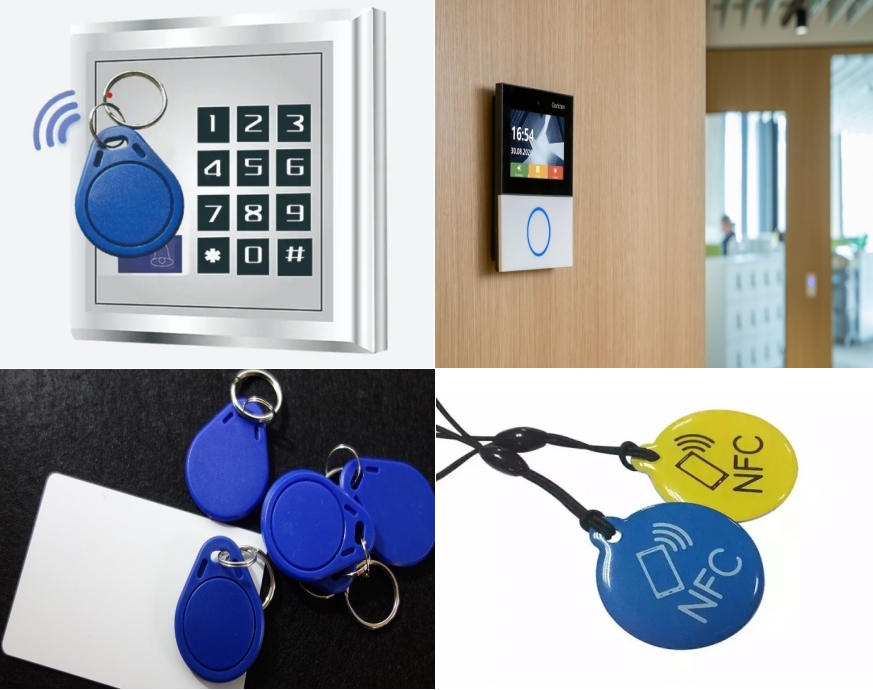
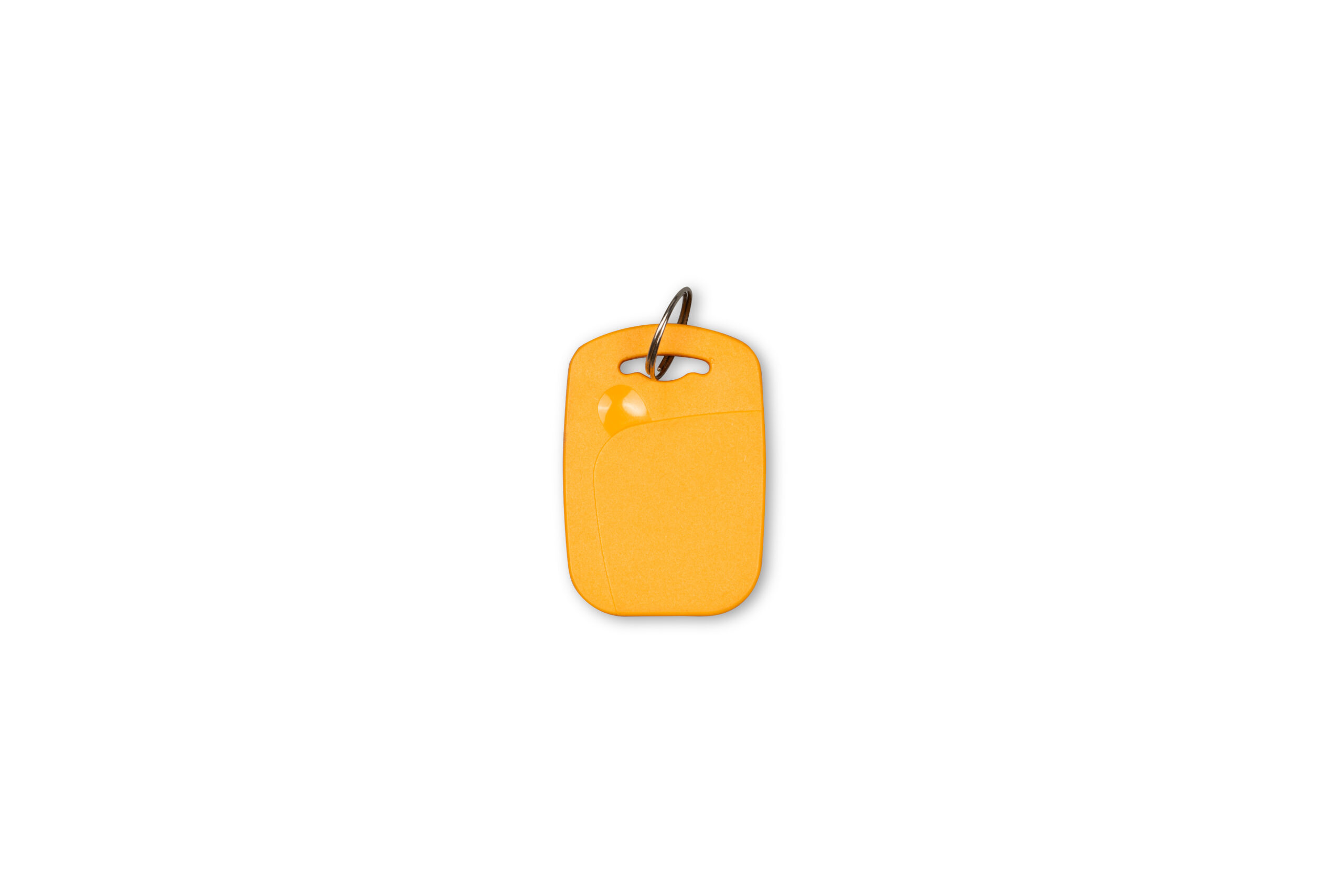
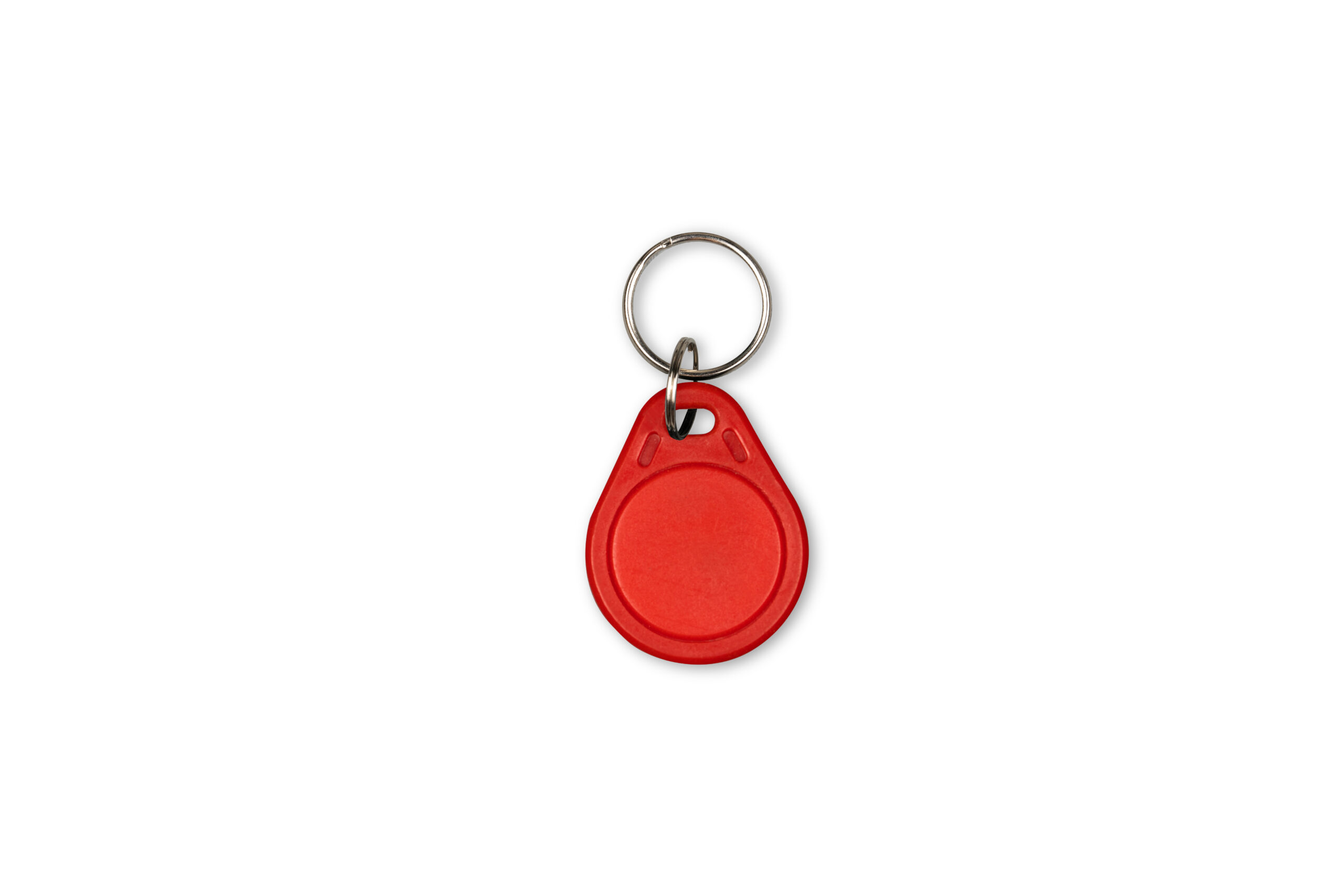
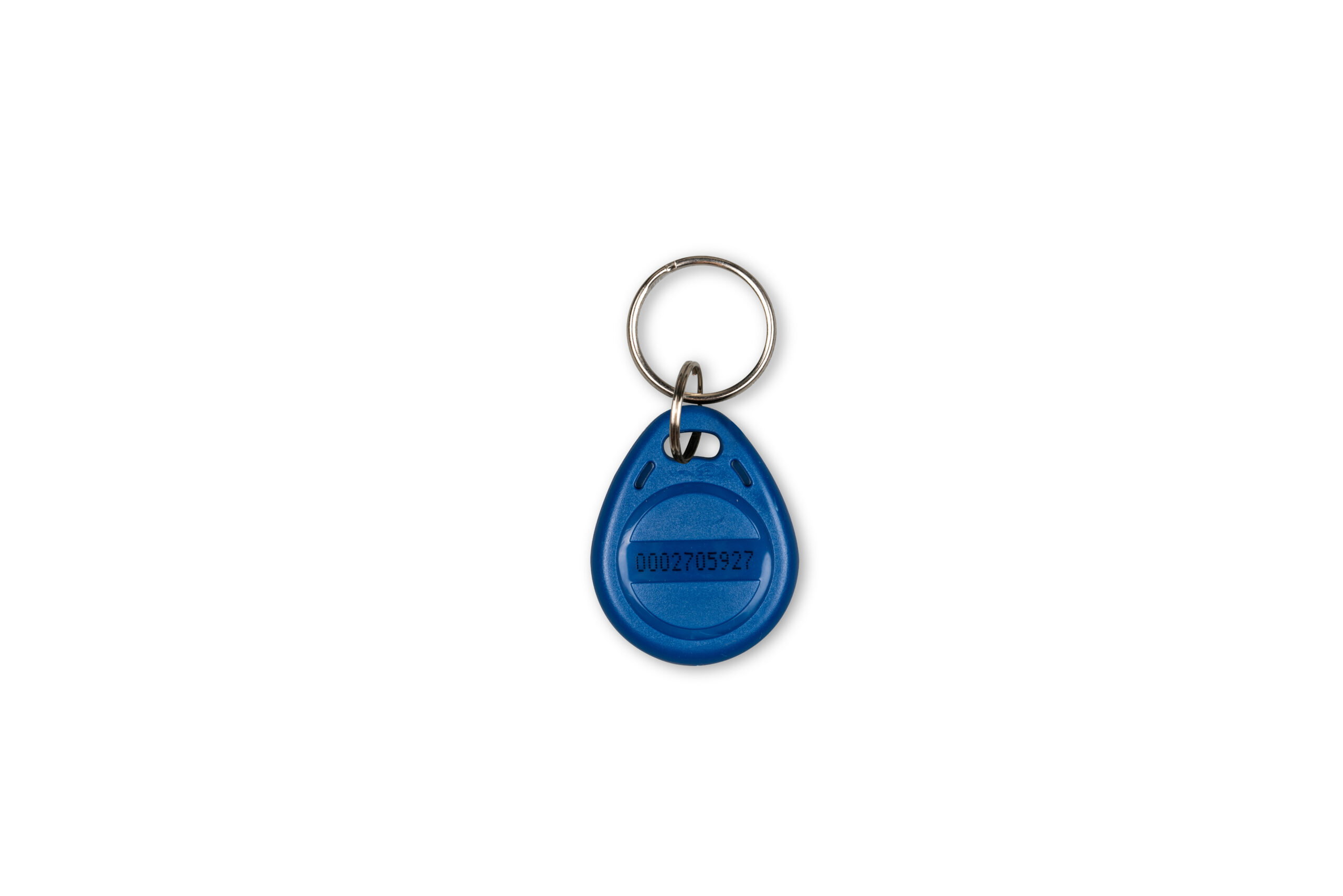
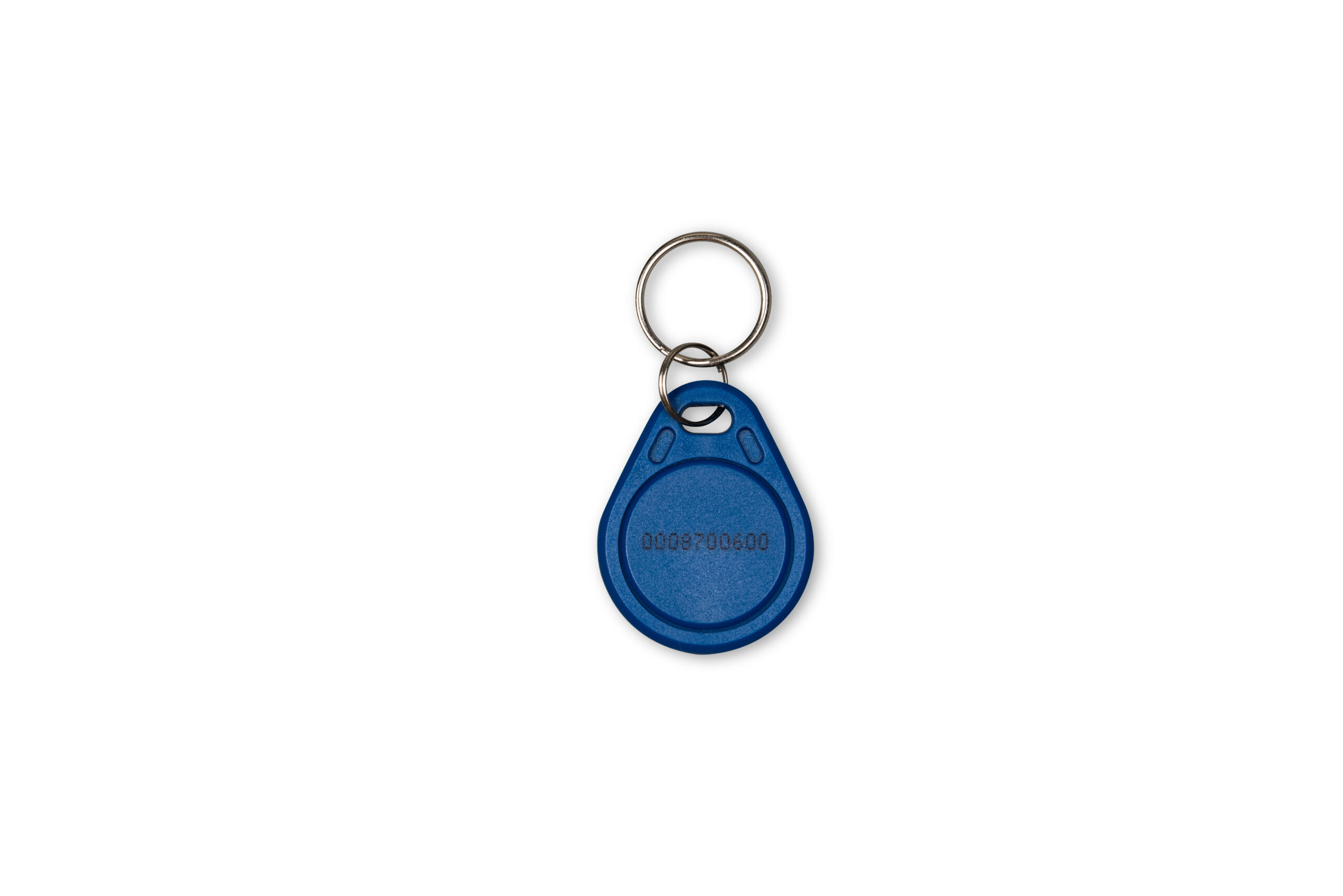
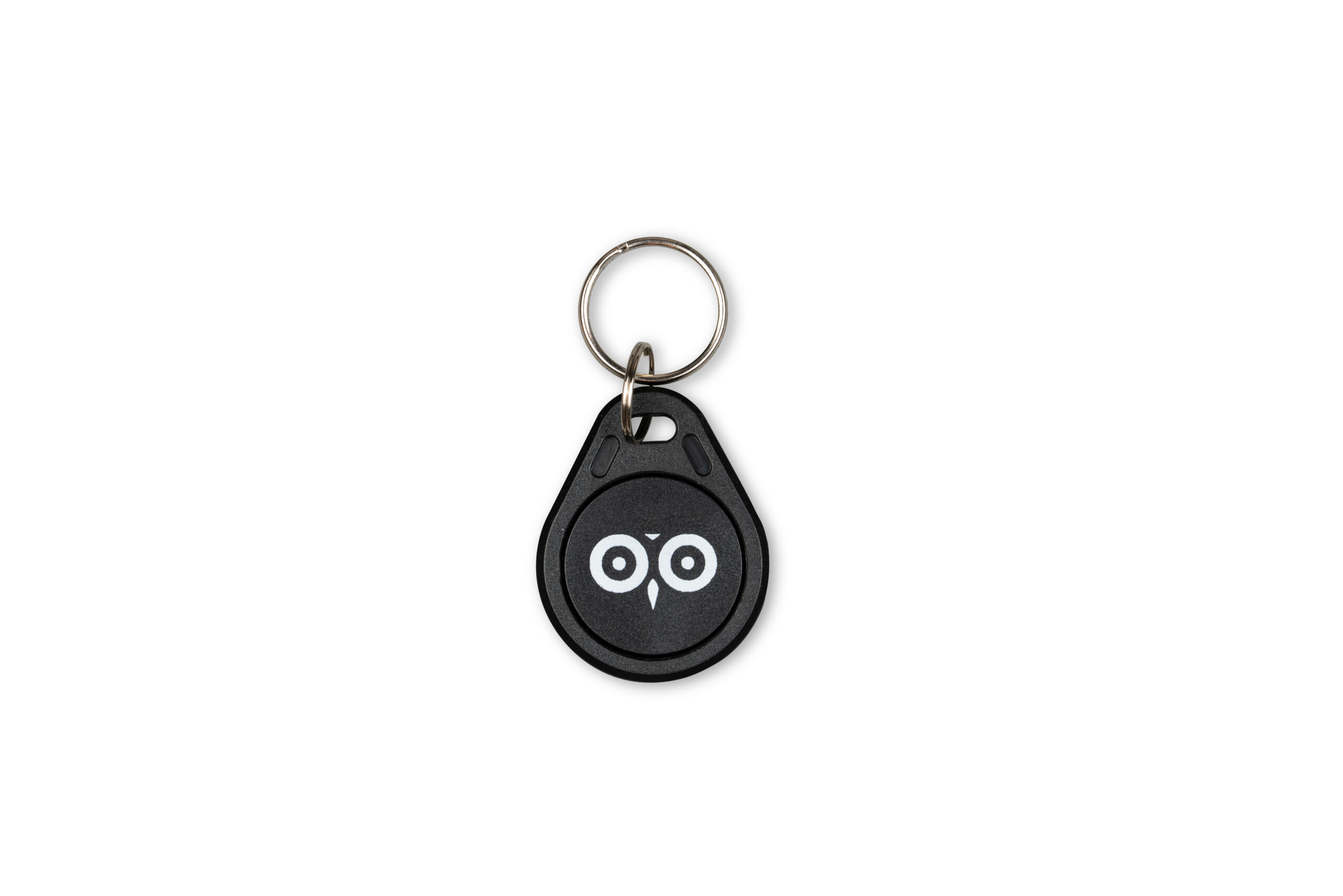
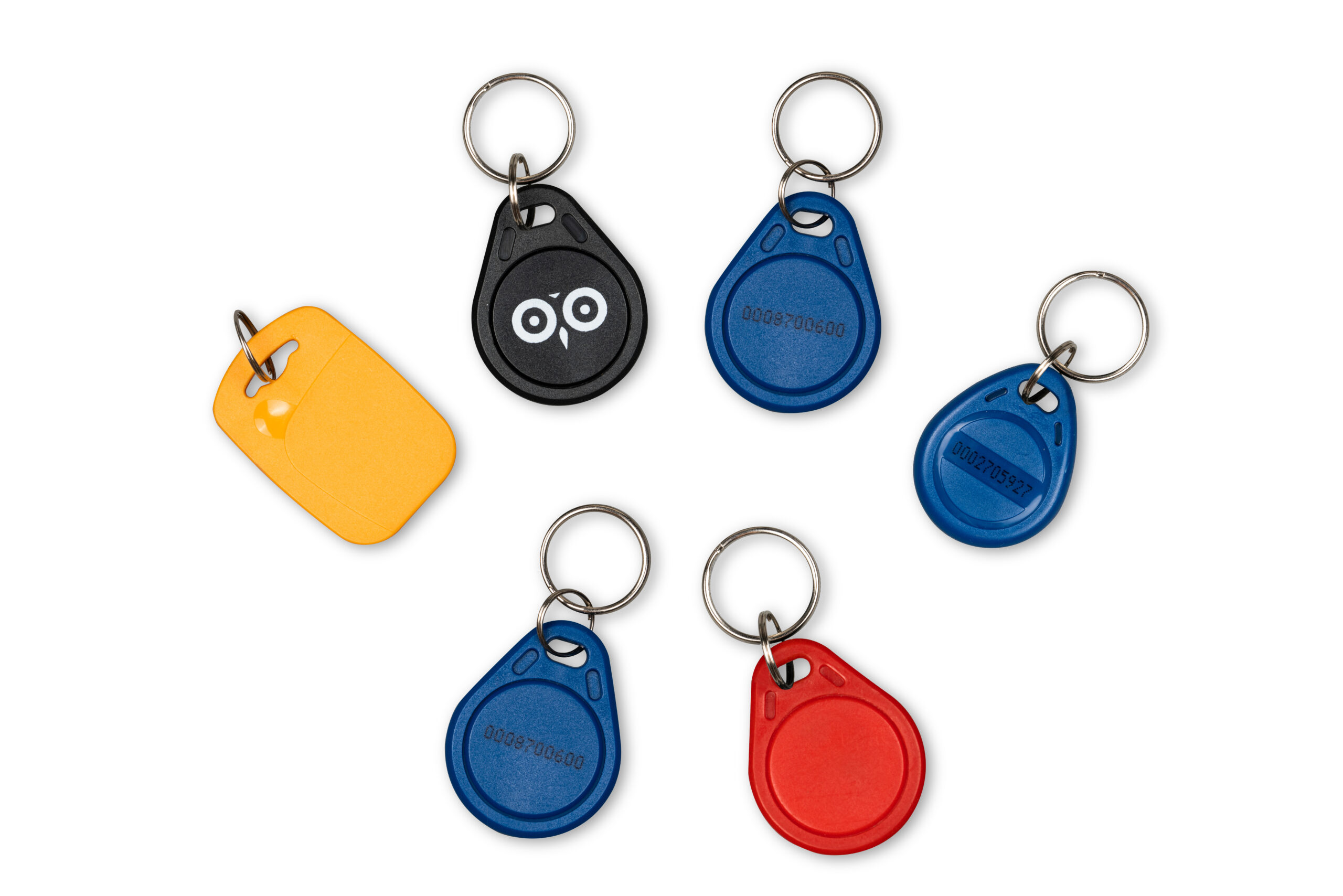
An RFID key fob tag is a compact security device that provides secure access and authentication for network services and data. Made of durable ABS material with a metal ring, it’s easy to carry and highly reliable for various applications.
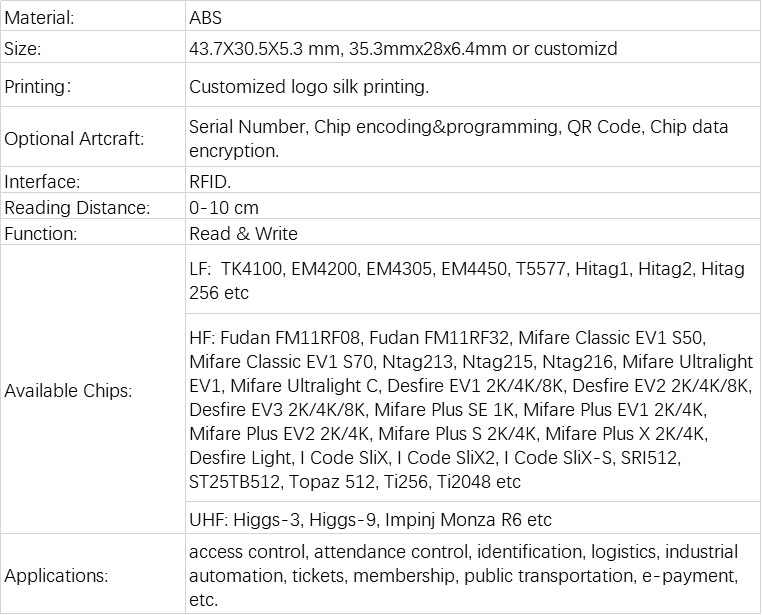
Available in a wide range of RFID technologies, including low-frequency 125KHz, high-frequency 13.56MHz, and UHF, the RFID key fob tag is a flexible solution that meets the needs of different industries. It is commonly used in access control, attendance management, identification, logistics, industrial automation, ticketing, membership programs, public transportation, and e-payment systems.
Key Features:
1. Frequency and Identification Type (Determining Performance and Application Scenarios)
Low Frequency (LF, 125 kHz)
• Reading Distance:3–10 cm
• Characteristics: Good penetration capabilities, strong interference resistance, low cost, Read-Only / Read-Write options (e.g., T5577)
• Typical Chips: EM4100, TK4100, EM4200, T5577
High Frequency (HF, 13.56 MHz)
• Reading Distance: 2–8 cm
• Characteristics: Encrypted security, larger data storage capacity, NFC support, multi-tag anti-collision capabilities
• Typical Chips: MIFARE Classic (S50/S70), NTAG21x, Ultralight
Ultra-High Frequency (UHF, 860–960 MHz) / Active (2.4 GHz)
• Reading Distance:1–10 meters (Passive UHF), 10–100 meters (Active)
• Characteristics: Long-range reading, rapid inventory counting, high-speed motion recognition (up to 200 km/h)
•Applications: Asset tracking, parking management, personnel zone positioning
2. Physical and Environmental Characteristics
• Compact and Portable: Keyfob design; can be attached to keys or lanyards
• High Protection Rating: ABS/PC housing + epoxy resin potting; water-resistant, dustproof, shockproof, and drop-resistant (IP67/IP68)
• Durability:
Read/Write Cycle Life: ≥ 100,000 times
• Passive: Semi-permanent (no battery required)
• Active: Battery life of 1–3 years (replaceable)
• Operating Temperature: -20°C to +55°C (Industrial-grade versions available: -40°C to +85°C)
3. Security and Performance
• Contactless, Rapid Sensing: Identification within 0.1 seconds; stable performance even when wearing gloves or in rainy conditions
• Anti-Collision: Simultaneous reading of dozens to hundreds of tags without interference
• Security:
• LF:Primarily Read-Only IDs; suitable for simple identity verification
• HF: Supports encryption, key authentication, and sector-based data storage (e.g., MIFARE)
Active: Encrypted communication, device authenticity verification
4. Cost and Customisation
• Low Cost (LF/HF Passive): Suitable for large-scale issuance
• Customizable: Choice of colour, logo, numbering, form factor, chip, and frequency
| Comparison Criteria | Low Frequency (LF) 125 kHz | High Frequency (HF) 13.56 MHz (M1/NFC) | UHF (Ultra-High Frequency) 860–960 MHz | Active 2.4G |
| Power Supply Method | Passive (Battery-free) | Passive (Battery-free) | Passive (Battery-free) | Active (Battery-powered) |
| Identification Distance | 3–10 cm | 2–8 cm | 1–8 meters | 10–100 meters |
| Reading Speed | Standard | Fast; supports multi-tag reading | Extremely fast; supports identification during high-speed movement | Real-time, Instantaneous Reading |
| Encryption Security | Weak; mostly Read-Only (ID only), easily duplicated | Robust; features sector encryption, key authentication, and anti-cracking measures | Basic: provides only fundamental identification | Extremely Robust; Bi-directional Encrypted Communication |
| Storage Capacity | Minimal (ID card number only) | Large capacity; capable of storing data, access permissions, and balances | Moderate; supports item-level identification | High Capacity; Supports Positioning + Encrypted Data |
| Anti-metal / Waterproof | Extremely Robust; resistant to extreme temperatures, water, and shock | Good; standard water resistance | Poor; susceptible to interference/blocking by metal objects | Moderate; Requires Protective Casing |
| Unit Cost | Lowest (A few cents to a few dimes in bulk) | Moderate | Relatively low | High (Includes Battery) |
| Service Life | Permanent (Passive; no wear or degradation) | Permanent | Permanent | 1–3 Years (Battery Replacement Required) |
| Typical Chips | EM4100, TK4100, T5577 | M1 S50/S70, NTAG213/215 | Impinj Series, Alien H3 | 2.4G Active Positioning Tag |
Application areas:
| Type | Applicable Scenarios | Inapplicable Scenarios | Core Advantages |
| Low Frequency (LF) 125 kHz | Residential building access control | Standard office entry | Basic factory time & attendance | Legacy access system upgrades | Low-cost bulk card issuance | Encrypted Payment, NFC Mobile Reading/Writing, Long-Range Identification | Low Cost, Strong Anti-interference, Stable and Durable |
| High Frequency (HF) 13.56 MHz (M1/NFC) | Hotel room keys | Gym/pool locker access & billing | Campus all-in-one cards | High-security corporate access control | Membership stored-value & consumption | Mobile NFC reading | Elevator floor access control | Ultra-Long-Range Identification | Multi-purpose Card, Encrypted and Copy-proof, High Security |
| Ultra-High Frequency (UHF) | Long-range automated parking barriers | Warehouse pallet/tote inventory | Factory vehicle access control | Large-scale asset inventory | Logistics sorting | Short-Range Encrypted Transactions, Metal-Dense Environments | Long-range Automatic Identification, Hands-free Access, Rapid Gate Passage |
| Active 2.4 GHz | Real-time personnel tracking (factory sites) | Kindergarten child safety/anti-loss | Large-scale campus trajectory tracking | Long-range anti-theft alarms | Standard Access Control, Low-Cost Mass Card Issuance | Ultra-long Range, Real-time Positioning, Security and Traceability |