 Español
  English

Descripción
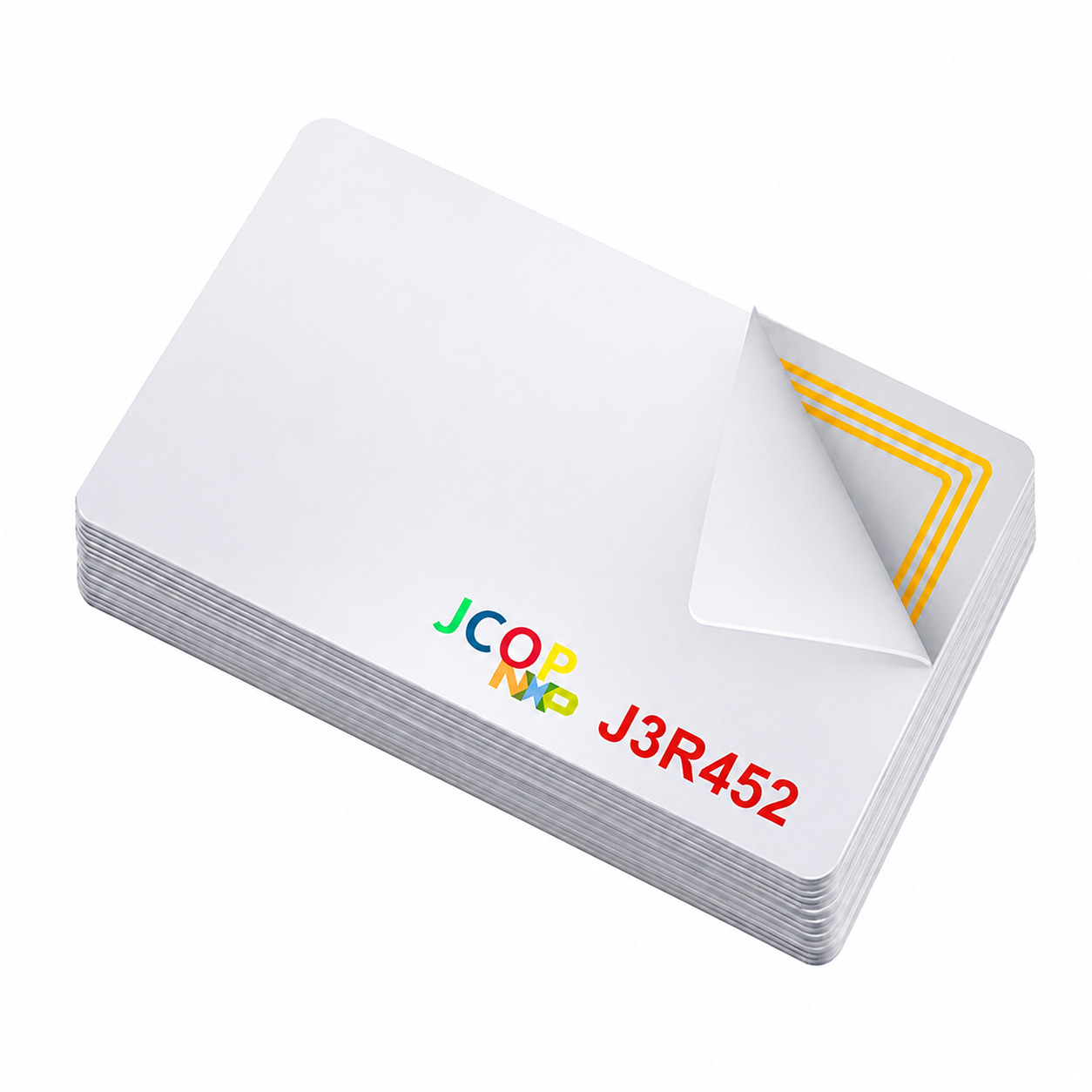
TheJ3R452 Java Smart Card is a secure dual-interface card for identity, payment, and authentication applications. It supports advanced cryptographic algorithms, PUF-based security, Java Card 3.0.5, and GlobalPlatform 2.3.1. With approximately 450 KB of storage, it enables flexible multi-application deployment and reliable data protection.
J3R452 Card Key Technical Features:
Enhanced Security Architecture: The Java Smart Card integrates Physical Unclonable Functions (PUF) to establish a unique hardware-level device identity binding, effectively defending against physical cloning and side-channel attacks.
Dual-Interface High-Speed Communication:As a Dual Interface Java Smart Card, it supports contact (ISO/IEC 7816) and contactless (ISO/IEC 14443 Type A/B) interfaces. Additionally, it delivers contactless speeds of up to 848 kbit/s and contact speeds of up to 688 kbit/s.
Support for Cutting-Edge Algorithms:
1. Newly added EdDSA (Ed25519) algorithm enables efficient, low-latency digital signatures, suitable for blockchain cold wallets and identity authentication scenarios.
2. Supports the SM4 national cryptographic standard symmetric encryption algorithm, meeting compliance requirements for China’s financial and government systems.
3. Asymmetric encryption supports ECC (up to 521 bits) and RSA (up to 4096 bits), compatible with NIST and Brainpool curves.
Large-Capacity Storage: With approximately 450 KB flash memory, this Java Card supports the deployment of complex applets and enables multiple applications to run securely on a single card platform.
Advanced Lifecycle Management: The J3R452 Java Smart Card supports Secure Channel Protocol SCP03, Delegated Management, and Executable Load File Upgrade, enabling secure card issuance and dynamic application updates.
FIPS 140-3 Certification: Complies with the latest US cryptographic module security standard, replacing the previous-generation FIPS 140-2, and enhancing international compliance.
J3R452 Card Product Parameters:
| Parameter Category | Project | Specifications |
| Processor | Architecture | SmartMX3 P71D600 |
| Clock Frequency | Undisclosed (Based on the typical 62 MHz of the P71 series) | |
| Storage | Flash | ~450 KB (Loadable for Applets and OS) |
| RAM | Undisclosed (Similar to J3R200; approx. 10 KB) | |
| EEPROM | Undisclosed (For persistent storage of keys and user data) | |
| Communication Interfaces | Contact Interface Speed | Up to 688 kbit/s |
| Contactless Interface Speed | Up to 848 kbit/s | |
| Protocol Support | ISO/IEC 7816 (T=0/T=1), ISO/IEC 14443 Type A/B | |
| Electrical Specifications | Operating Voltage | 1.62 V – 5.5 V |
| Operating Temperature | -40°C to +85°C (Industrial Grade) | |
| Safety Certifications | Security Level | Common Criteria EAL6+ (2019 Edition) |
| Financial Certification | EMVCo Level 2 | |
| National Cryptography Certification | Supports SM2, SM3, and SM4 algorithms; GM/T 0016-2022 (Level 2) National Cryptography Certification status: Undisclosed | |
| US Certification | FIPS 140-3 (Certificate ID: To be announced) | |
| Encryption Algorithms | Symmetric Encryption | AES-128/192/256, 3DES, SM4 |
| Asymmetric Encryption | RSA-1024/2048/3072/4096, ECC (NIST P-256, Brainpool, SM2), EdDSA (Ed25519) | |
| Hash Algorithms | SHA-256, SHA-384, SHA-512, SM3 | |
| Random Number Generation | TRNG (AIS-31 Class B/C) | |
| Special Features | Physical Security | PUF (Physical Unclonable Function) |
| Application Management | Java Card 3.0.5 Classic, GlobalPlatform 2.3.1, SCP03, Delegated Management |
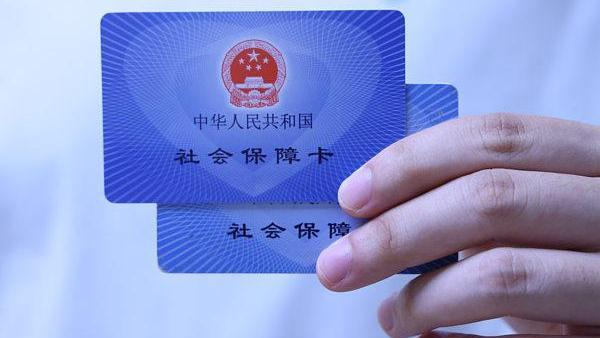
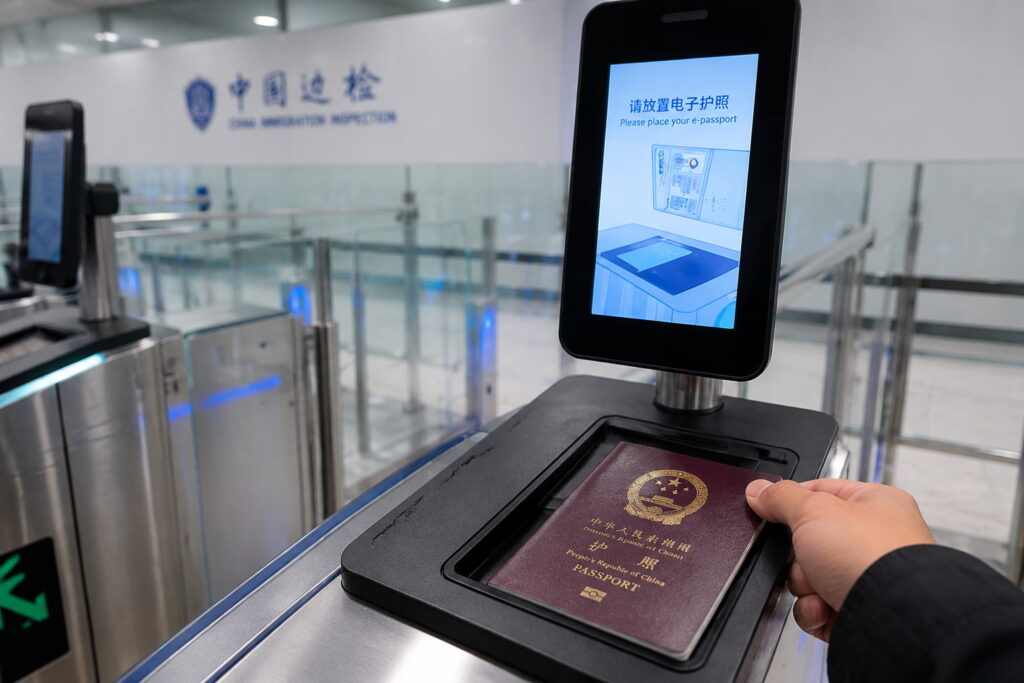
 E-Government Identity Credentials: Used for e-ID cards, e-passports, e-social security cards, e-driver’s licenses, and more, supporting the secure storage and online verification of biometric templates.