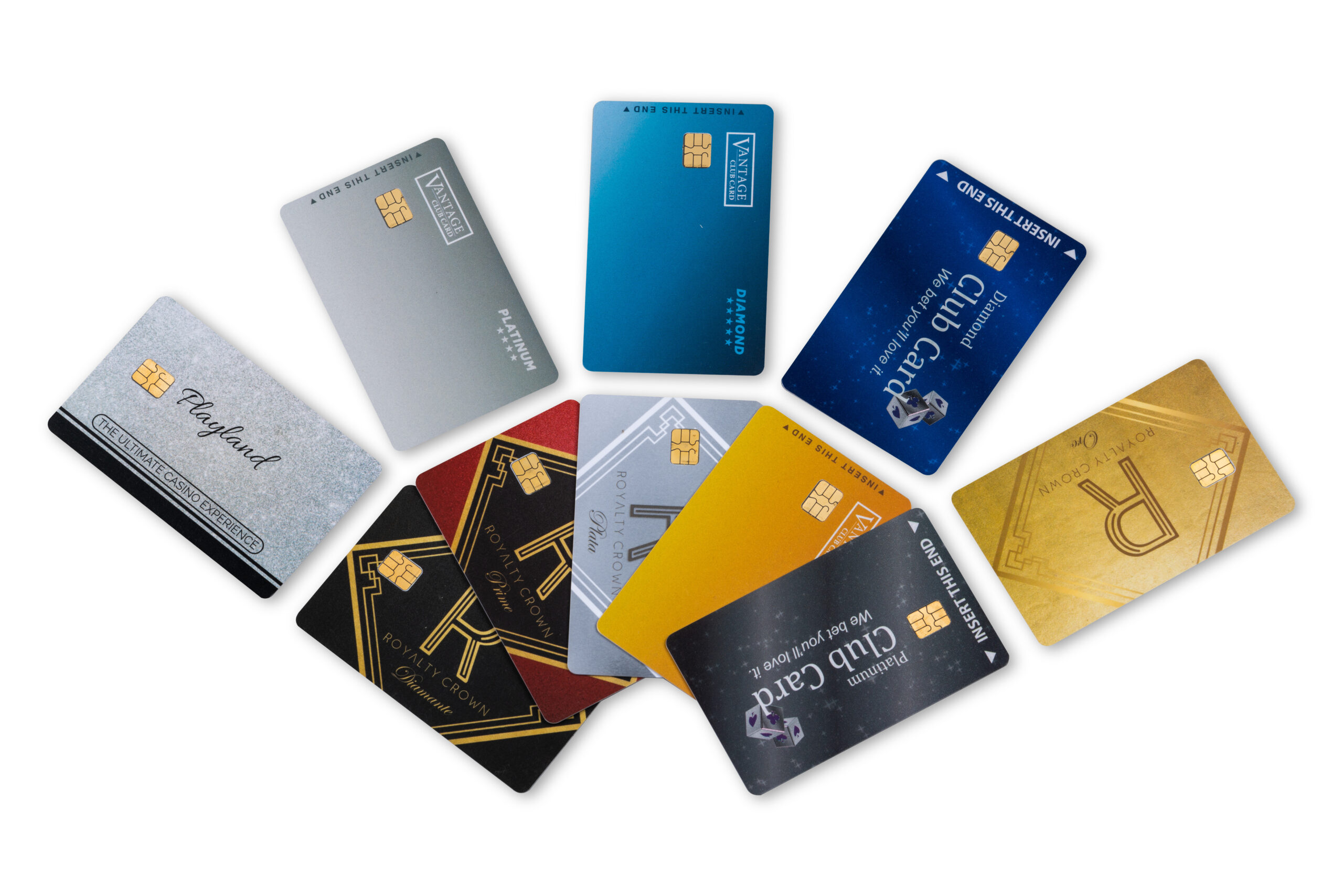
Atmel AT24C64 smart chip Card

The Atmel AT24C64 is a serial EEPROM (Electrically Erasable Programmable Read-Only Memory) chip manufactured by Atmel Corporation. It is widely utilized in smart cards, embedded systems, and various other applications requiring non-volatile data storage. As a model within the AT24C memory series, it features a capacity of 64 Kb (equivalent to 8 KB) and is primarily employed for storing data that does not require high-level security—such as in campus cards, telephone cards, and driving training timekeeping systems.

Descripción

Key Technical Features:

Storage Capacity and Structure
The storage capacity is 64 KB (8 KB), equivalent to 8,192 bytes.
Internally, it is divided into 256 pages, with each page consisting of 32 bytes; it supports writing operations at either the byte or page level.
Data is written in page units, allowing for a maximum of 32 bytes to be written at a time.

Communication Interface
It utilises the standard I²C (I2C) two-wire serial communication protocol, requiring only the SCL (clock line) and SDA (data line) to enable bidirectional communication.
It supports multiple speed modes:
Standard Mode: 100 kbps
Fast Mode: 400 kbps
Speeds of up to 1 MHz are achievable in High-Speed ​​Mode (supported by select models).
The device address format is 1010 + A2A1A0; the programmable address is configured via hardware pins A0 through A2, allowing up to 8 devices to share the same I2C bus.

Electrical and Reliability Parameters
Wide Operating Voltage Range: Supports 1.8V to 5.5V, accommodating low-power applications and various power supply systems.
High Endurance: Supports 1 million erase/write cycles; data retention lasts up to 100 years, offering exceptional long-term stability.
Write Protection Function: Features a dedicated WP (Write Protect) pin; connecting this pin to VCC enables write protection, preventing accidental writes or unauthorised data modification.
Self-Timed Write Cycle: The maximum write duration is approximately 10 ms; during this period, the chip enters a “busy” state and cannot respond to new commands.

Packaging and Physical Characteristics
Common package types include 8-pin SOIC, PDIP, and others, suitable for both SMT surface mounting and through-hole installation.
Smart cards typically take the form of a standard size—85.5 mm × 54 mm × 0.84 mm—in compliance with the ISO/IEC 7816 standard.

Security Level
Classified as a non-encrypted storage card, it lacks built-in security logic or a microprocessor and supports only basic read and write operations.
It offers a low level of security and is suitable for applications where data confidentiality requirements are not stringent—such as general data logging, configuration parameter storage, and similar uses.
Product Parameters

Microchip AT24C32 / AT24C64 Card
Material PVC, PET, PET-G, PC
Size CR80 standard 86×54mm
Printing Blank Card, or Customized Printing
Thickness 0.81mm
Chip Microchip Atmel AT24C32 Atmel AT24C64
Interface Contact only
Protocol ISO7816
EEPROM 32K / 64K bits
Function Read & Write
Compatible Chip Fudan FM24C32 FM24C64, ISSI GT24C32 GT244C64
Lifetime >1,000,000 times read & write. >100 years
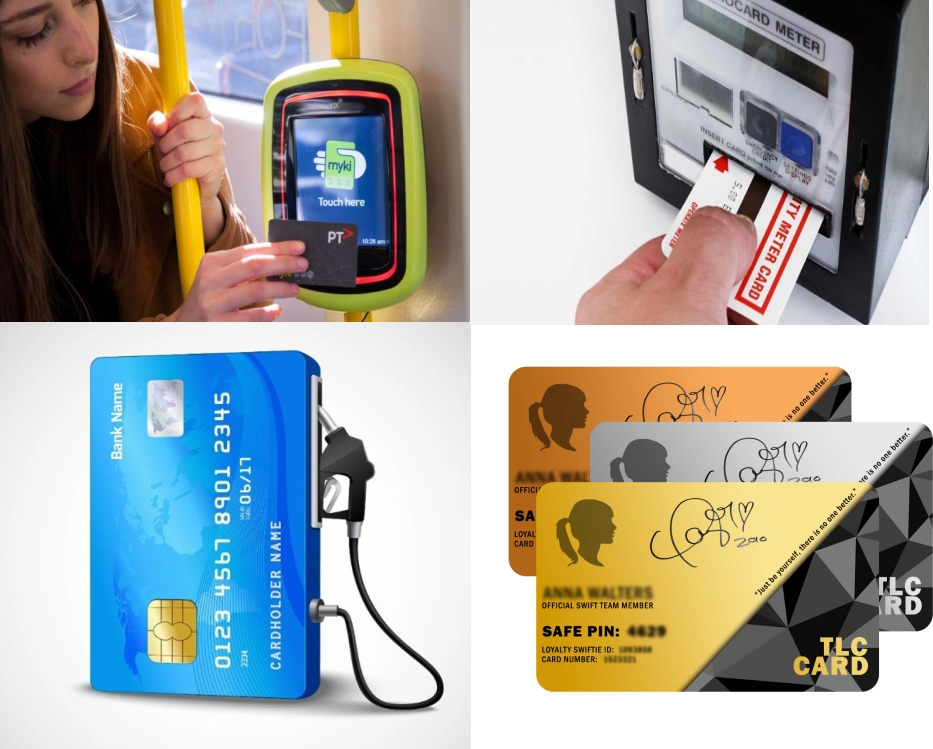
Applications Electricity Meter Card
Water Meter Card
Gas Meter Card
Membership Card
Hotel Key Card
Fuel card
Access control card
Public Transportation Card, etc

Main Applications

Smart Card Systems
Widely utilized in contact-based IC card systems—such as campus ID cards, public transit cards, phone cards, and membership cards—for storing basic user information, transaction records, and similar data.
Employed in driving school training systems to record student training hours.

Embedded System Data Storage
Serves as an external storage unit for Microcontroller Units (MCUs), used to save critical yet non-sensitive data such as device calibration parameters, operational logs, and user settings.
Used in handheld RFID terminals to store operational status information; often paired with SD cards to facilitate multi-tiered data management.

Industrial and Consumer Electronics
Applied in sensor modules and industrial control equipment to store configuration data that must be retained even after power loss.
Due to its wide operating voltage range, high reliability, and low power consumption, it is ideally suited for battery-powered systems.

Development and Educational Experiments
Commonly featured in educational curricula and practical projects involving embedded development platforms—such as the 51-series microcontroller and STM32—serving as a classic component for learning the I2C communication protocol.
Thanks to its low cost, moderate security features, and strong compatibility, this chip has become a mainstream choice for domestic non-financial contact-based IC cards—particularly in scenarios where high-level encryption is not strictly required, yet a certain degree of data protection is necessary.

Application areas (2)

Contact Us


    First Name*


    Last Name*


    Your Email*


    Your Phone


    Your Message