 English
  Español

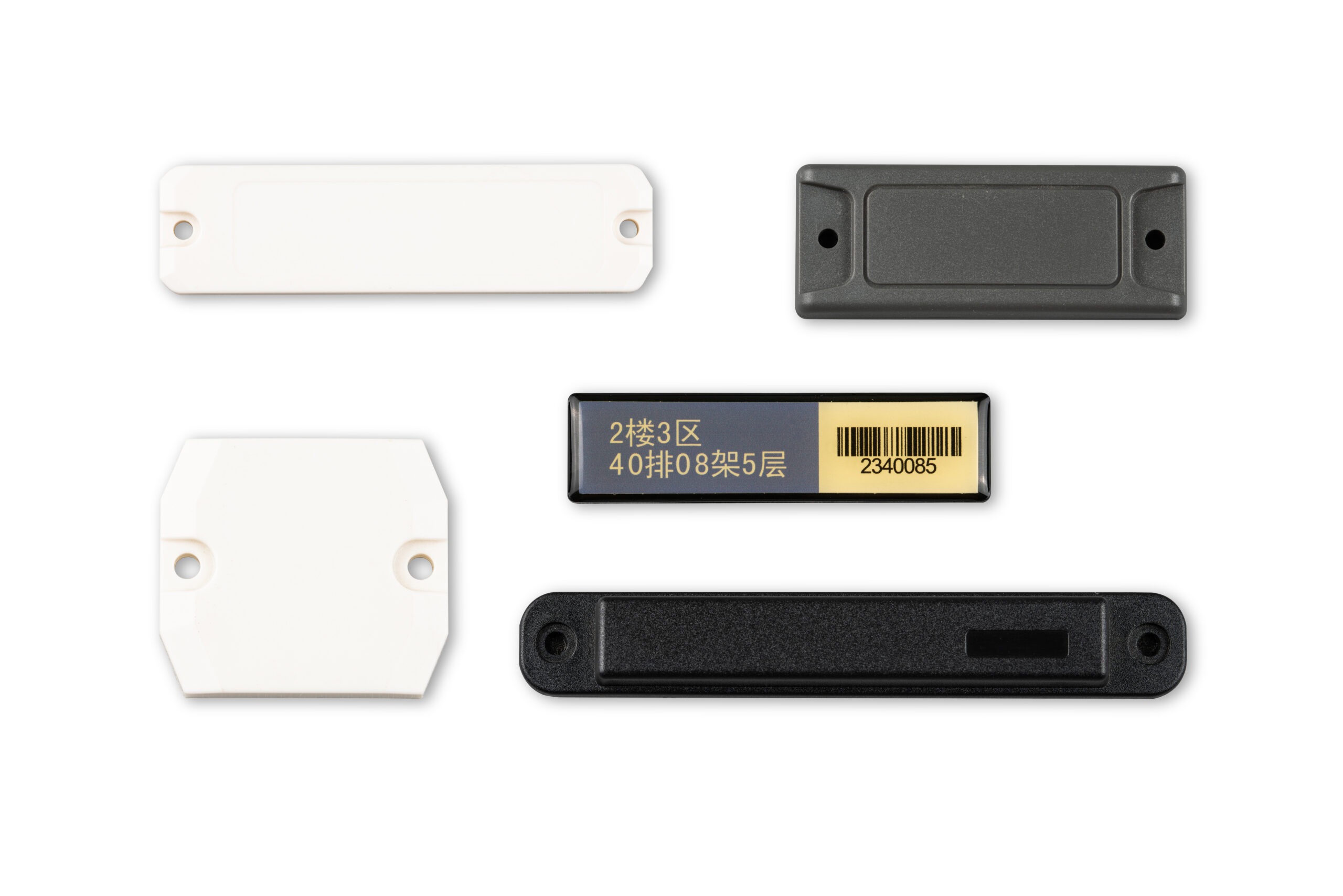
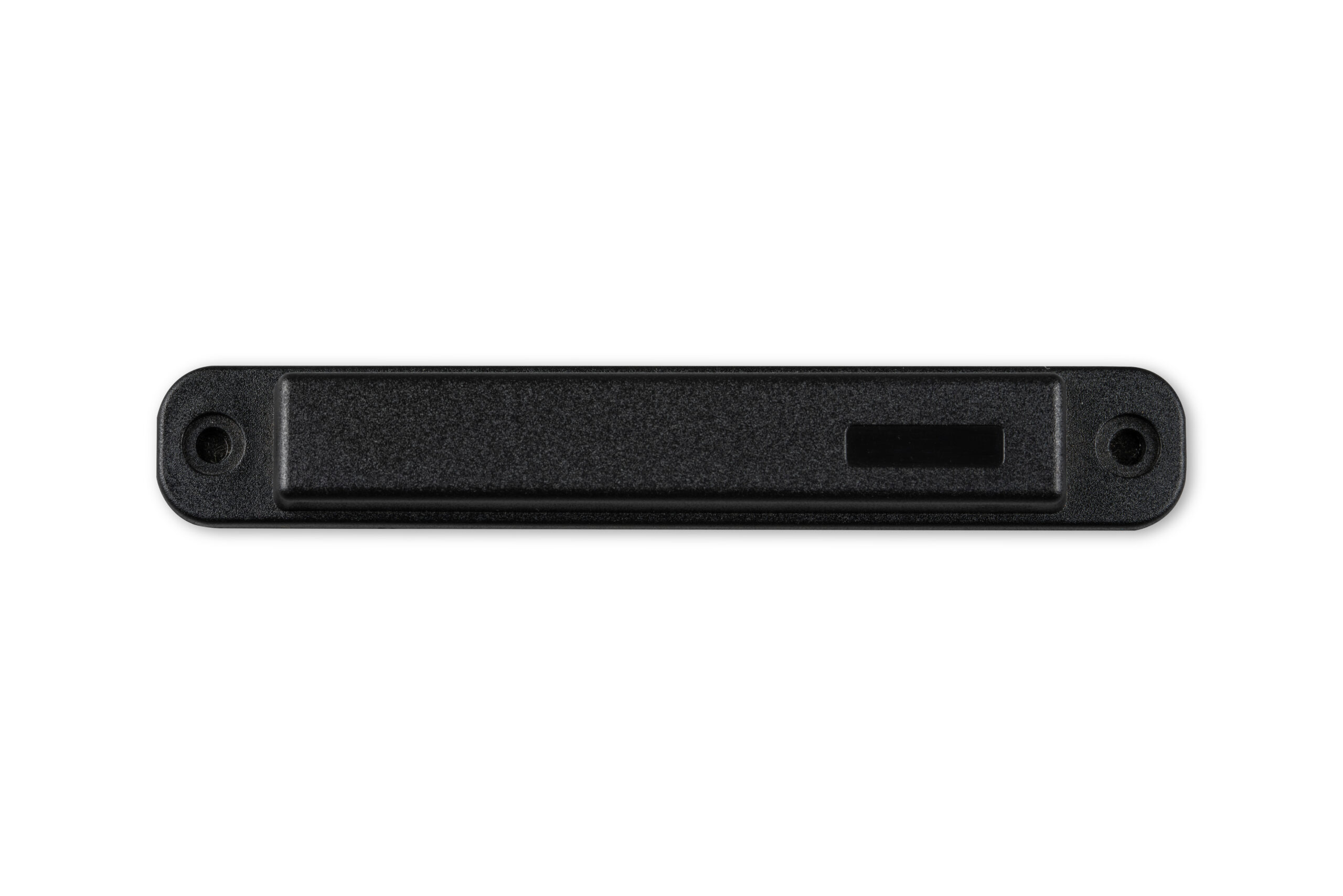
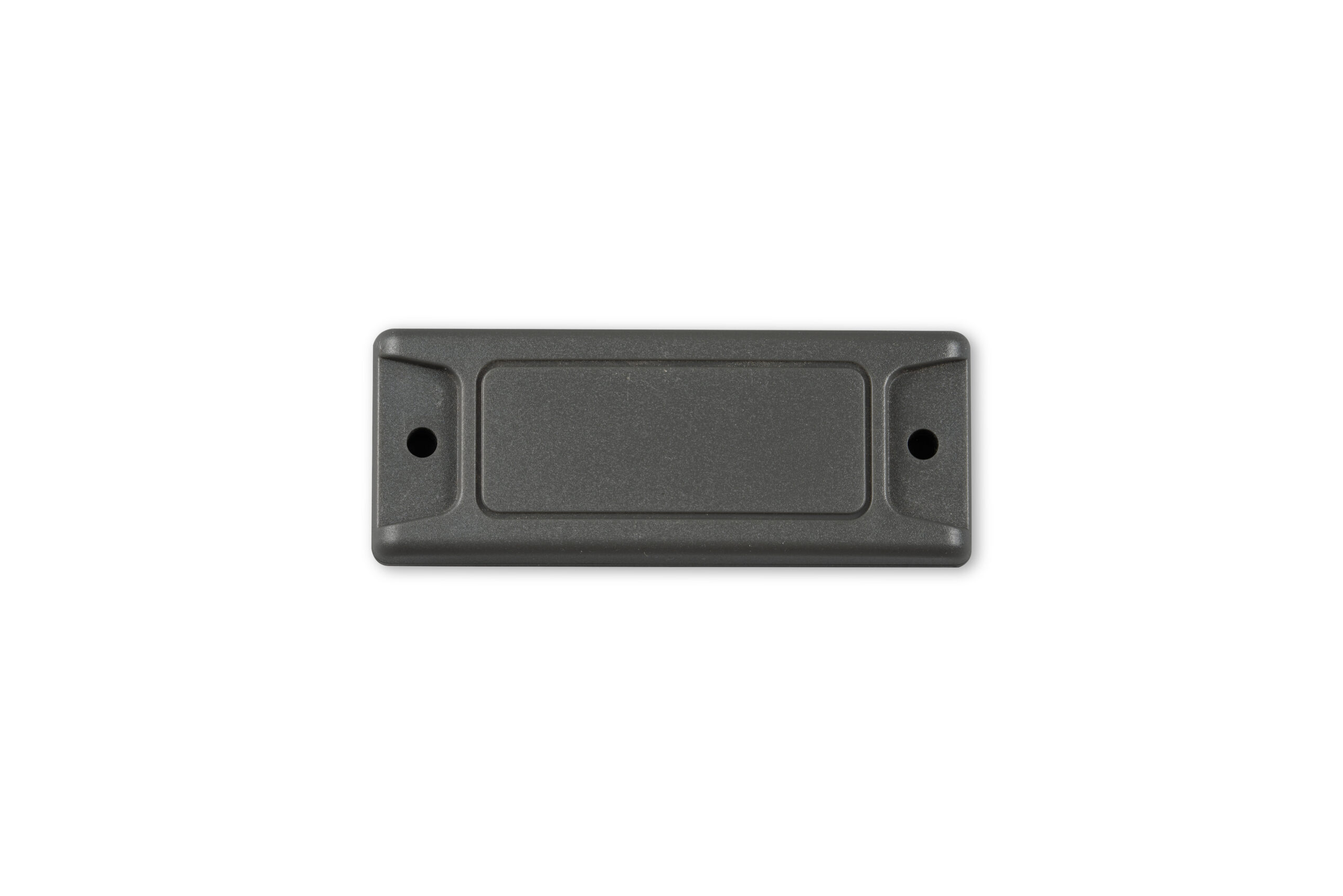
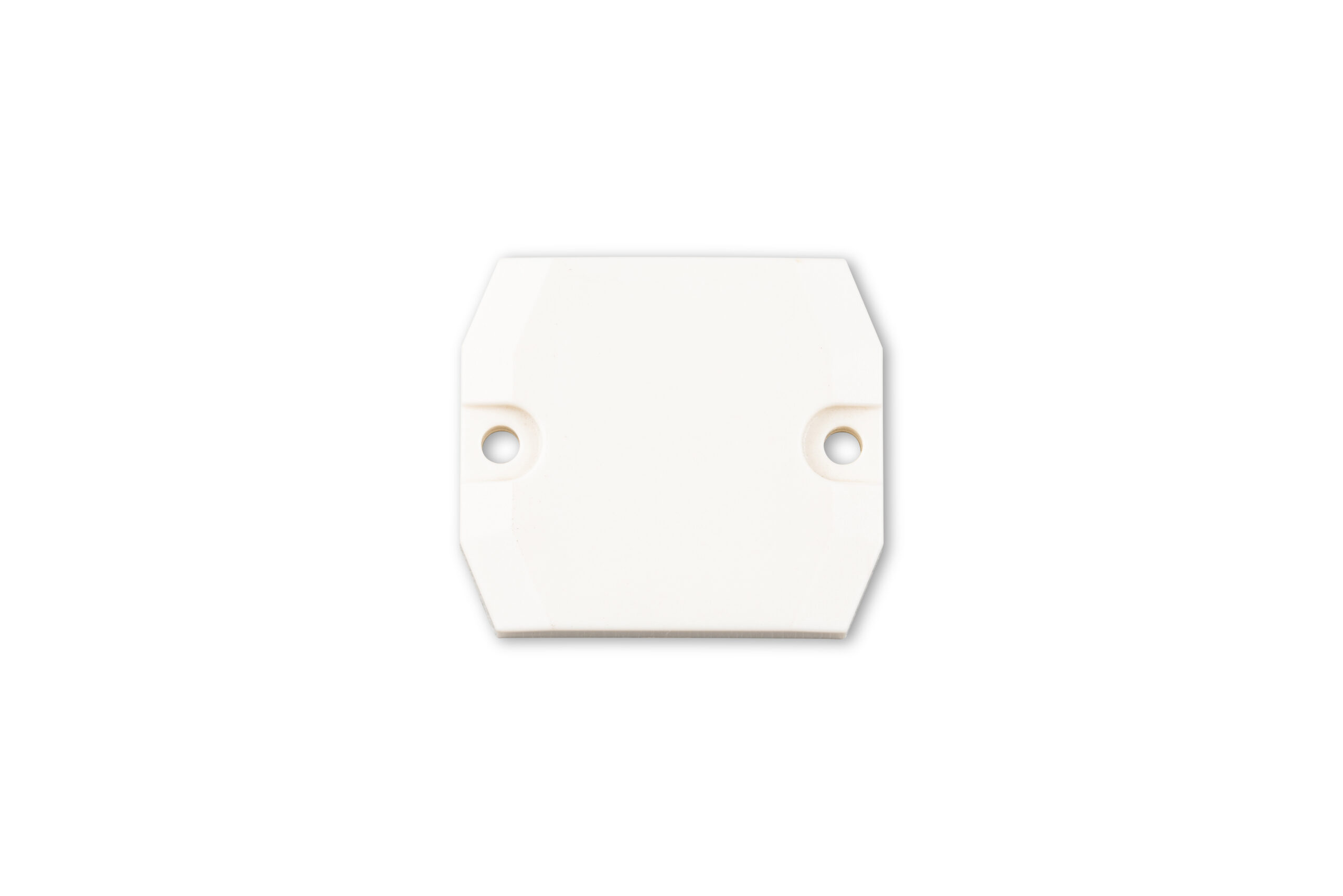
Description
Over View:
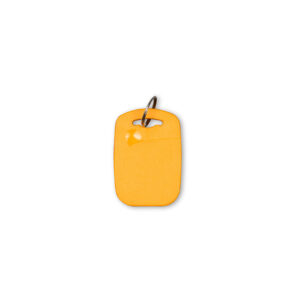
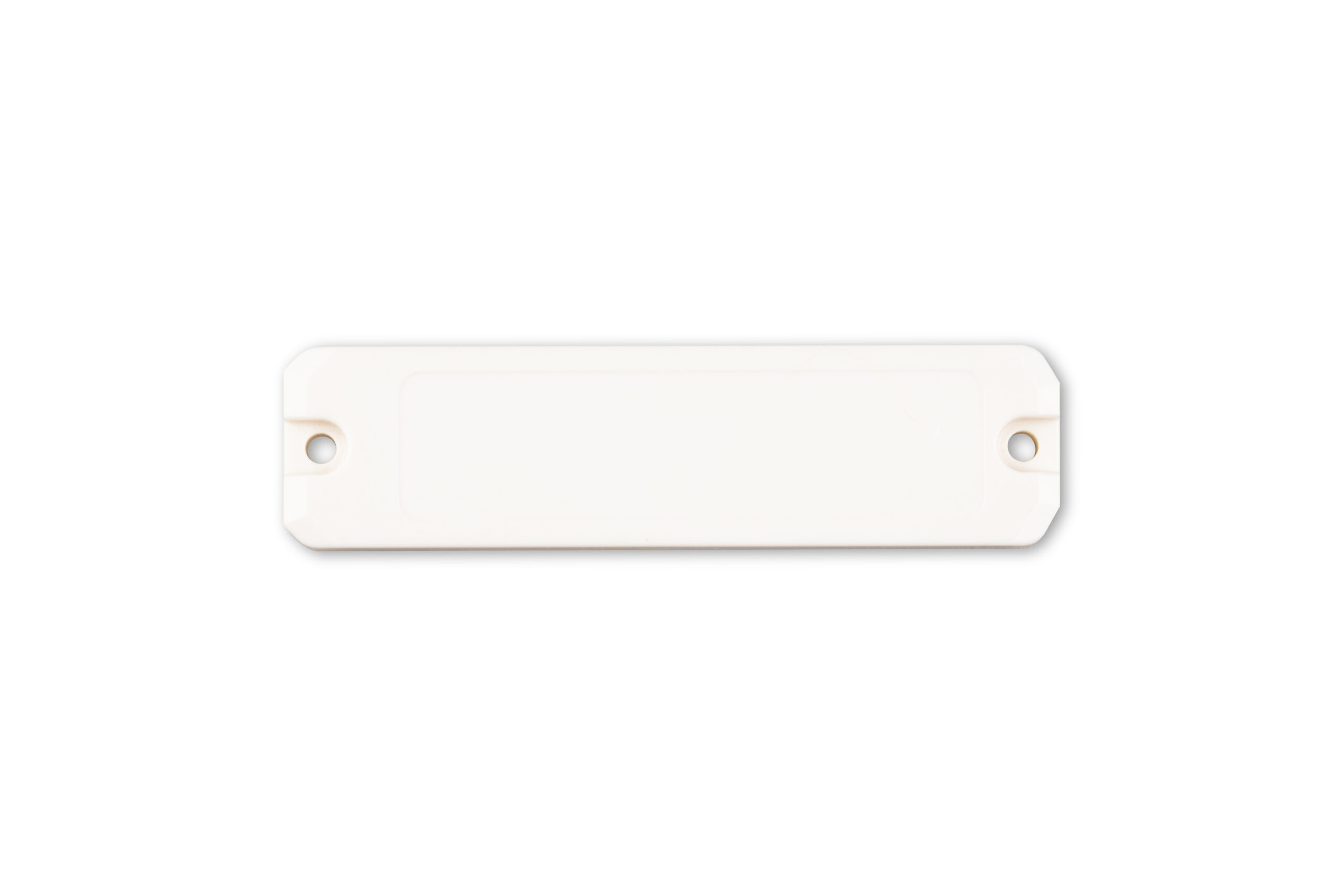
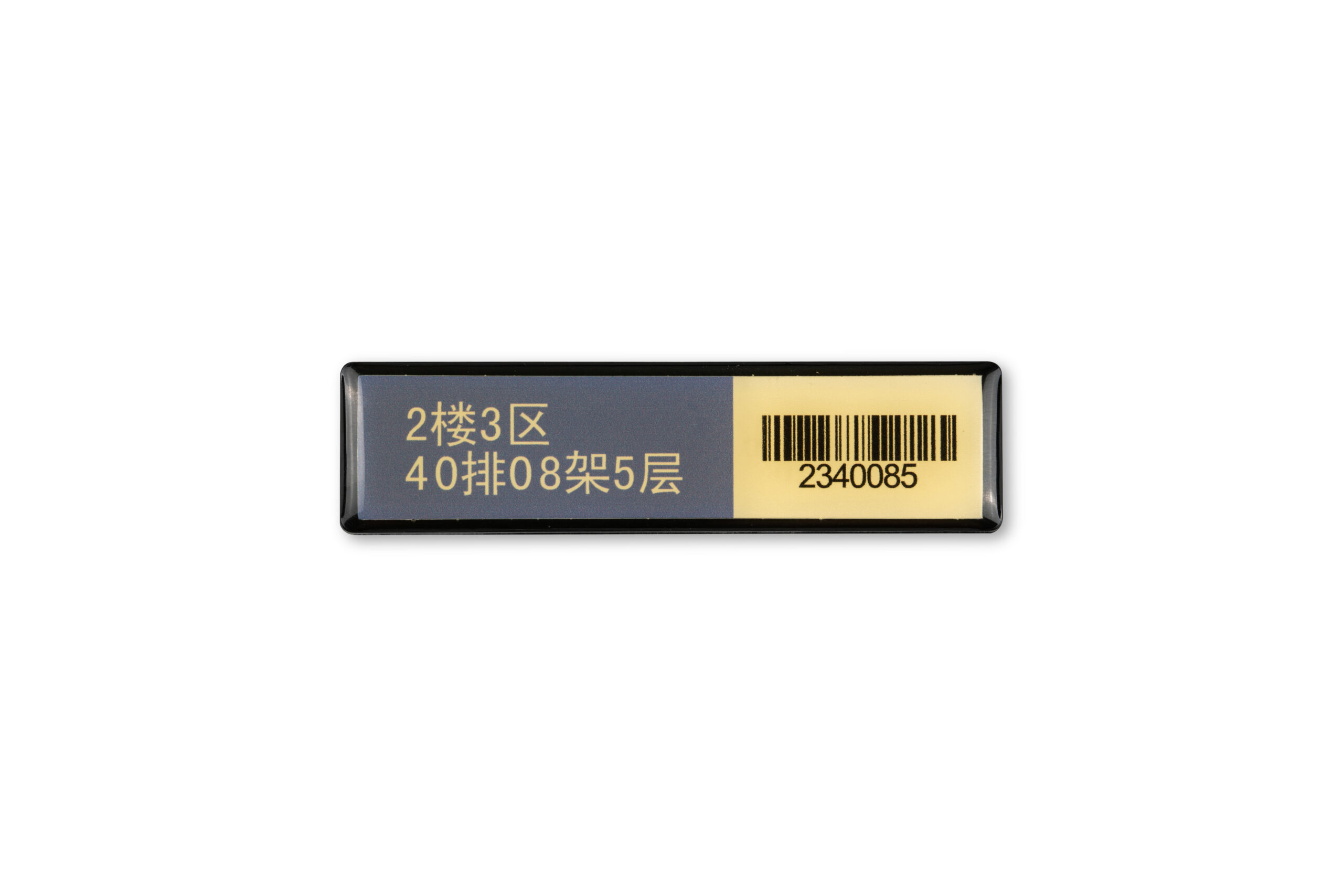
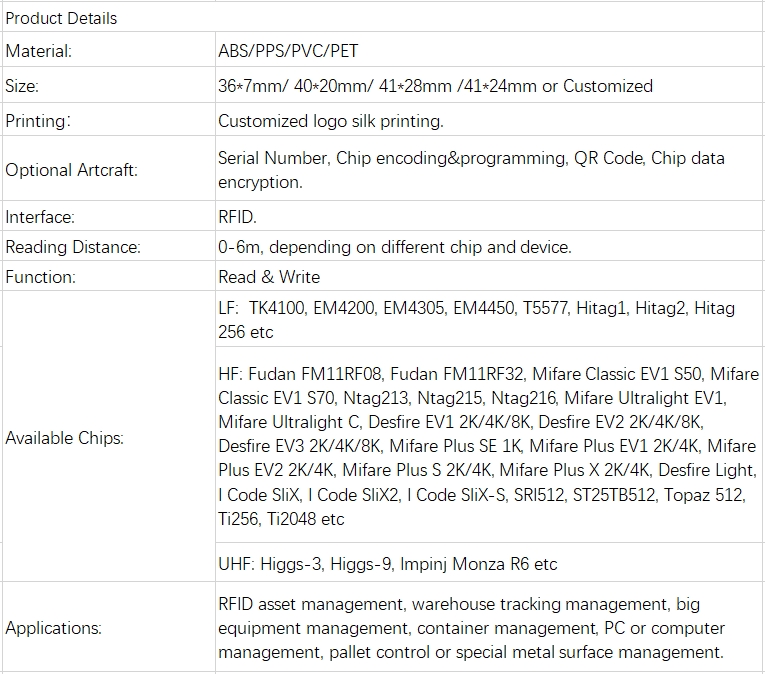
The RFID epoxy tag features a high-performance RFID chip securely encased in a durable epoxy-finished tag. Made from glass fibre-reinforced epoxy material, these tags are designed to withstand harsh environmental conditions, offering exceptional durability and reliability. Available with widely-used 125 KHz and 13.56 MHz RFID chip technologies, the compact RFID epoxy tags are just 3-4mm thick, making them small, flexible, and easy to carry. Thanks to their robust design, RFID epoxy tags are commonly used in applications such as access control, time and attendance systems, membership management, loyalty programs, and NFC applications, among others.
Key Technical Features:
1. Strong Resistance to Metal Interference
• Built-in ferrite / signal-absorbing isolation layer blocks metal eddy currents, provides a “virtual ground,” and maintains antenna resonance.
• Custom antennas (microstrip/patch / diffractive) are designed for metal environments and even utilise metal backplane reflections to enhance signal strength.
2. Stable Identification Performance
• Reading distance on metal surfaces: UHF up to 3–10 meters (standard tags only 0–0.5 meters).
• Low false read rate (<1%), supports batch reading of multiple tags.
3. Strong Environmental Adaptability
• High-temperature resistance (ceramic types up to 200°C+), low-temperature resistance, waterproof, corrosion-resistant, and vibration-resistant.
• Suitable for harsh environments such as oily, dusty, and autoclave conditions.
4. Durability and Security
• Industrial-grade encapsulation ensures long service life; some models support AES-128 encryption to prevent data tampering.
5. Diverse Form Factors
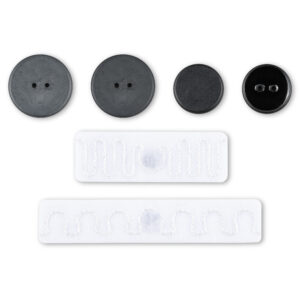
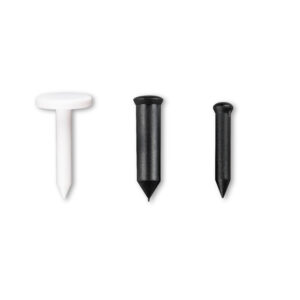
• Available in thin sheets, cubes, cylinders, buttons, and custom shapes to accommodate various metal components and installation spaces.
Application areas:
1. Industrial Manufacturing
• Used for production traceability, full lifecycle management, and smart inventory counting of moulds, tooling and fixtures, cutting tools, machine tools, and metal components.
2. Logistics and Warehousing
• Applied to the inbound and outbound management and supply chain tracking of metal carriers such as metal pallets, metal returnable containers, shipping containers, steel, and aluminium.
3. Power and Energy Sector
• Suitable for asset operation and maintenance management of equipment such as power switchgear, transformers, communication cabinets, cable trays, and oil and gas pipeline valves.
4. Asset Management Sector
• Used for the identification and inventory of metal fixed assets such as construction machinery, IT server cabinets, municipal facilities, and firefighting equipment.
5. Medical Sterilisation Sector
• Compatible with high-temperature, high-pressure sterilisation environments, used for traceability and closed-loop management of surgical instruments, sterilisation trays, and metal medical equipment.
6. Rail Transportation and Aviation Sector
• Used for the identification, maintenance, and safety management of subway vehicle components, rail accessories, aircraft parts, and maintenance tools.