 English
  Español




Description
Overview:
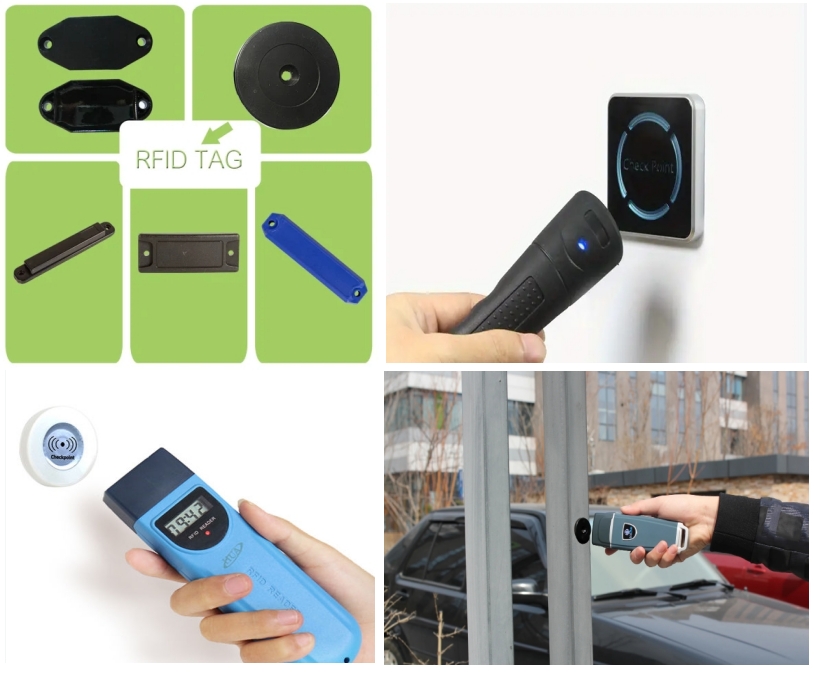
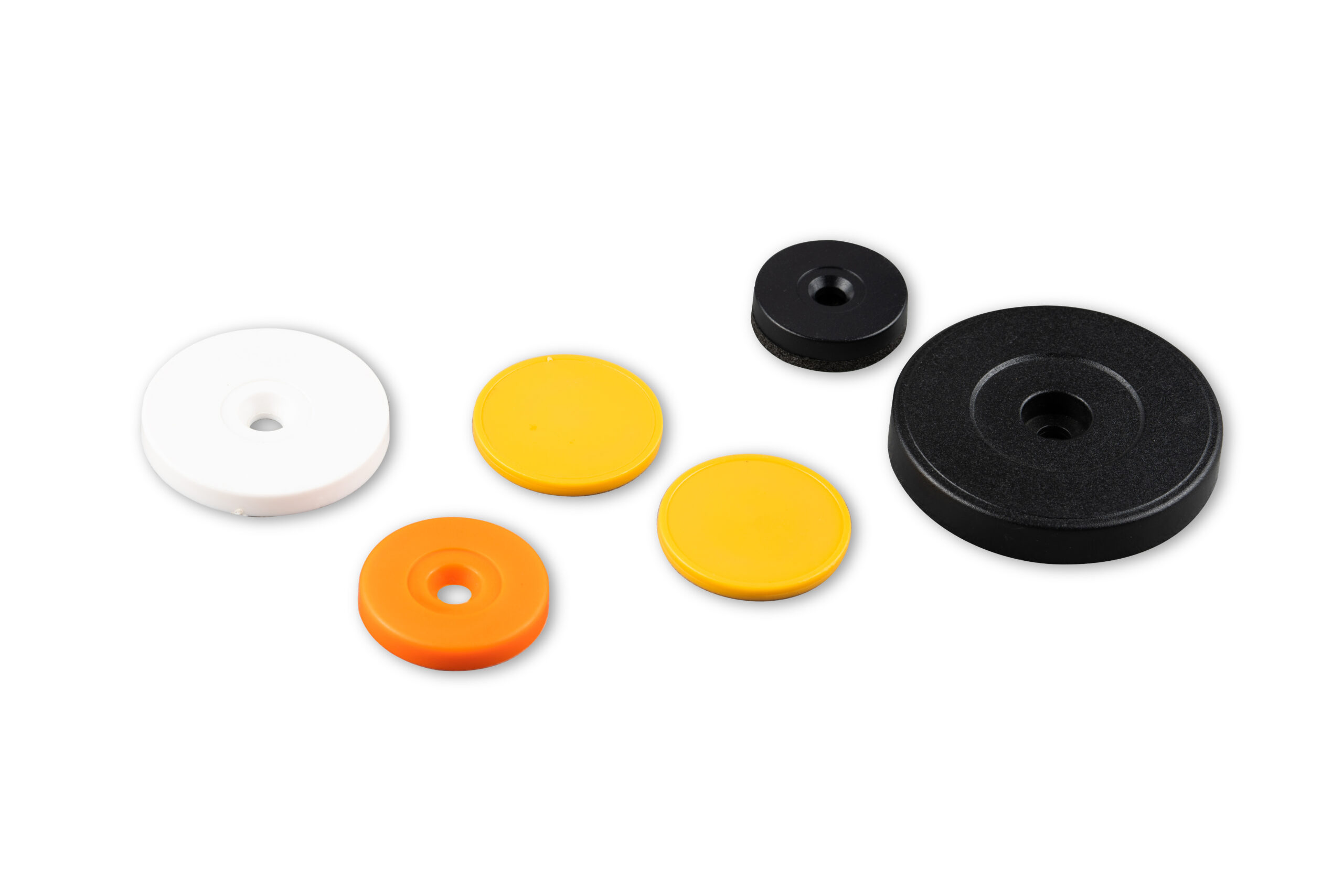
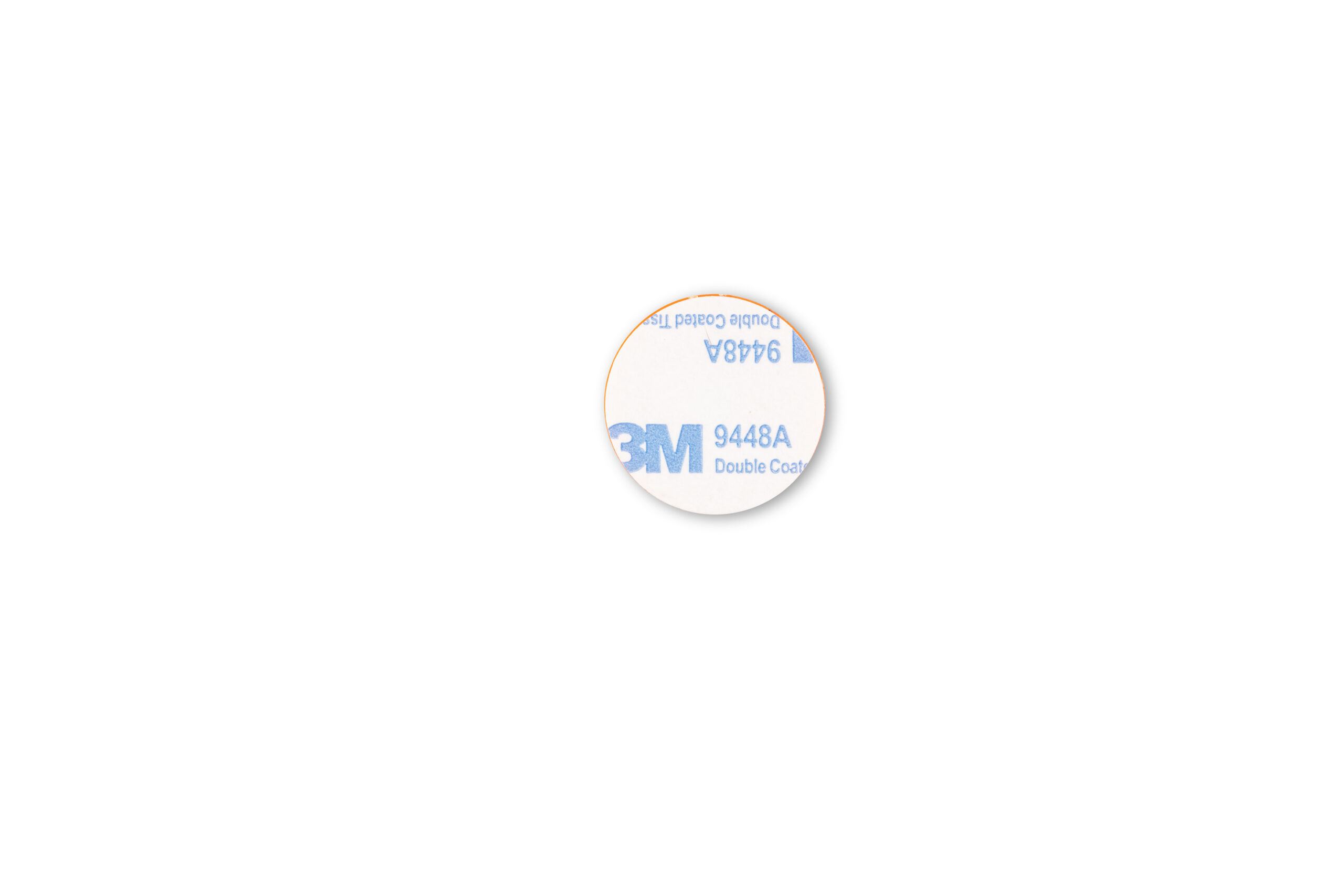
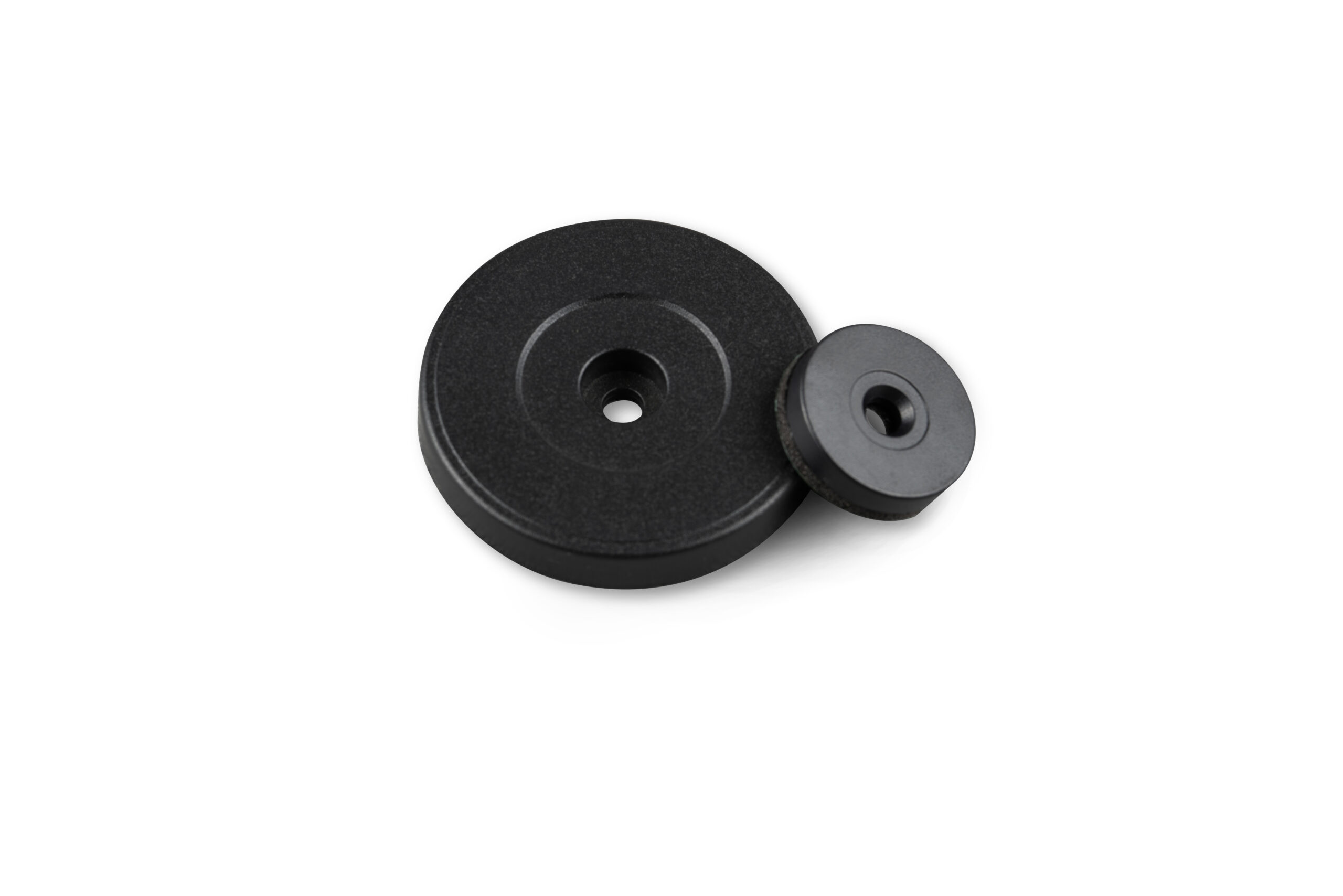
RFID patrol tags contain an RFID transponder encased in a durable ABS shell, making them waterproof and resistant to moisture, corrosion, and other harsh conditions. These tags are designed for use in challenging environments and are easily mounted by either screwing through the middle hole or applying adhesive to the back surface.
RFID patrol tags are widely used across various industries, including logistics, security, postal services, airports, railways, oil fields, property management, banks, museums, water power, and utilities such as electricity and gas monitoring.
| Comparison Criteria | Traditional Paper-based / Manual Inspection | RFID Smart Inspection |
| Efficiency | Slow; Prone to Missed Checks; Manual Recording | Batch Reading, Automated Recording, 50–80% Efficiency Boost |
| Accuracy | Error-prone; Data Lag | Real-time Uploads, Authentic and Traceable Data |
| Security | Requires Close Proximity to High-Risk Equipment | Contactless, Unmanned Inspection to Minimise Risk |
| Management Complexity | Difficult to Trace; Difficult to Evaluate | Automated Report Generation, Missed-Inspection Alerts, and Individual Accountability |
| Cost | High Labour Costs; High Consumables Usage | One-time Investment, Long-term Maintenance-Free Operation, Cost Reduction and Efficiency Gains |
Key Technical Features:
1. Contactless Identification: Efficient and Secure
• No physical contact or precise alignment required; features a rapid 0.03-second response time and long-range reading capabilities (UHF range extends up to 10–30 meters).
• Enables contactless inspection in high-risk environments (involving high voltage, high temperatures, or toxic substances), thereby ensuring personnel safety.
2. Unique Identification + End-to-End Traceability
• Each tag possesses a unique ID, linked to the complete lifecycle data of the associated equipment (including commissioning, maintenance, fault history, and decommissioning).
• Automatically records the inspector, time, location, and data, effectively eliminating instances of proxy inspections, fraudulent inspections, or missed inspections.
3. Batch Reading + Multi-Tag Anti-Collision
• Capable of reading dozens of tags simultaneously, significantly boosting the efficiency of inspections and inventory counts.
• Anti-collision algorithms ensure data integrity, preventing conflicts and missed readings.
4. Industrial-Grade Reliability
• Features an IP65–IP68 protection rating; resistant to vibration, electromagnetic interference, extreme temperatures, and chemical corrosion.
• Passive tags boast a lifespan of over 10 years and require no maintenance.
5. Bi-directional Data Interaction
• Supports the writing of inspection results, status updates, and maintenance records, thereby establishing a closed-loop data management system.
6. Flexible Deployment
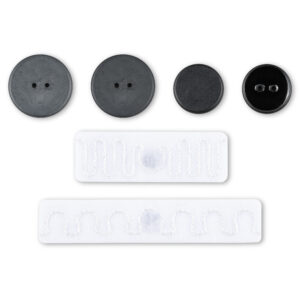
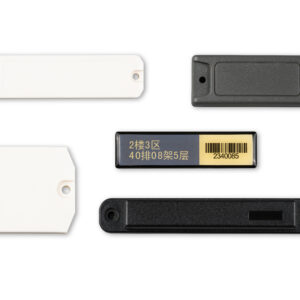
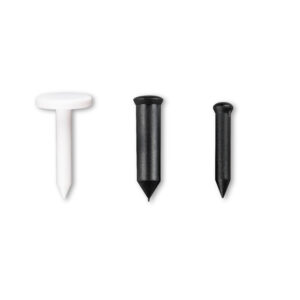
• Compact form factor; supports various installation methods—including adhesive mounting, riveting, and embedding—making it adaptable for use with indoor/outdoor, metal/non-metal, and mobile/fixed equipment.
Application areas:
· Power Industry: Inspection of equipment such as substations, transmission lines, utility poles, and switchgear
· Rail Transit: Inspection of railway and subway equipment, signalling facilities, and depots
· Petrochemical / Mining: Explosion-proof inspections of pipelines, storage tanks, and underground equipment
· Property and Fire Safety: Patrols of fire hydrants, fire extinguishers, and building security checkpoints
· Smart Manufacturing: Inspection of factory equipment, tooling, and production line assets
· Communication Base Stations: Daily inspections of 5G base stations, cabinets, and equipment rooms