 English
  Español





Description
Key Technical Features:
Storage Capacity and Structure
The storage capacity is 64 KB (8 KB), equivalent to 8,192 bytes.
Internally, it is divided into 256 pages, with each page consisting of 32 bytes; it supports writing operations at either the byte or page level.
Data is written in page units, allowing for a maximum of 32 bytes to be written at a time.
Communication Interface
It utilises the standard I²C (I2C) two-wire serial communication protocol, requiring only the SCL (clock line) and SDA (data line) to enable bidirectional communication.
It supports multiple speed modes:
Standard Mode: 100 kbps
Fast Mode: 400 kbps
Speeds of up to 1 MHz are achievable in High-Speed Mode (supported by select models).
The device address format is 1010 + A2A1A0; the programmable address is configured via hardware pins A0 through A2, allowing up to 8 devices to share the same I2C bus.
Electrical and Reliability Parameters
Wide Operating Voltage Range: Supports 1.8V to 5.5V, accommodating low-power applications and various power supply systems.
High Endurance: Supports 1 million erase/write cycles; data retention lasts up to 100 years, offering exceptional long-term stability.
Write Protection Function: Features a dedicated WP (Write Protect) pin; connecting this pin to VCC enables write protection, preventing accidental writes or unauthorised data modification.
Self-Timed Write Cycle: The maximum write duration is approximately 10 ms; during this period, the chip enters a “busy” state and cannot respond to new commands.
Packaging and Physical Characteristics
Common package types include 8-pin SOIC, PDIP, and others, suitable for both SMT surface mounting and through-hole installation.
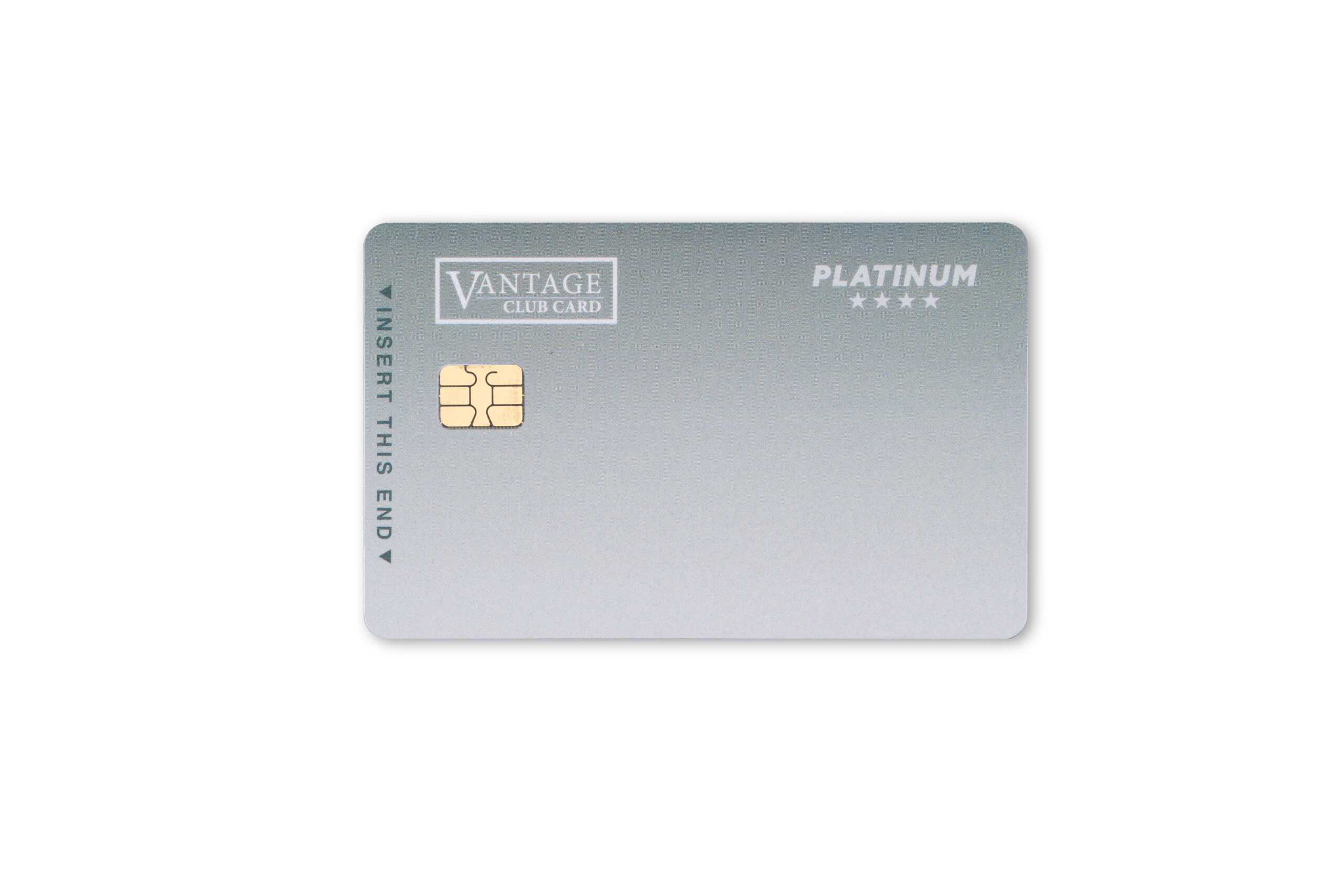
Smart cards typically take the form of a standard size—85.5 mm × 54 mm × 0.84 mm—in compliance with the ISO/IEC 7816 standard.
Security Level
Classified as a non-encrypted storage card, it lacks built-in security logic or a microprocessor and supports only basic read and write operations.
It offers a low level of security and is suitable for applications where data confidentiality requirements are not stringent—such as general data logging, configuration parameter storage, and similar uses.