
 English
  Español

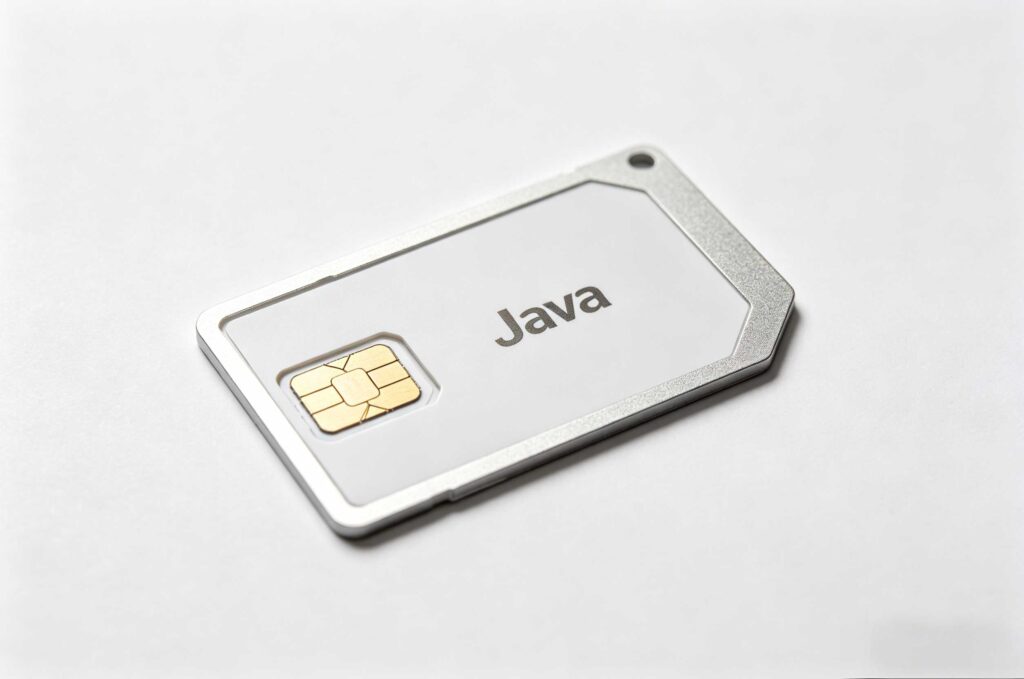
A Java SIM card is a special type of SIM card that integrates a Java Card environment, allowing secure applications to run directly on the card. It combines the communication identity of a traditional SIM card with the flexibility of a Java Card, providing telecom operators and service providers with a more programmable, secure, and scalable platform for value-added services. A standard SIM card primarily stores user identity data and enables network access. A Java SIM card goes a step further: it can host applications, support secure processing, and handle more complex service logic within the card itself.
Definition of a Java SIM Card
A Java SIM card is a SIM card built using the Java Card runtime environment. This environment allows the SIM card to run small, secure applications. These applications can store data, process commands, and support functions such as authentication, access control, payments, service personalization, and network-based secure operations. In other words, it’s not just a storage chip but a secure, smart-card platform embedded in the SIM card form factor.
How does it differ from a regular SIM card?
The primary function of a traditional SIM card is to identify the user and verify the device’s validity in a mobile network. The Java SIM card retains this core functionality but adds a programmable layer. This additional programmable layer supports more advanced services without requiring a SIM card replacement each time business models change.
Differences:
| Feature | Traditional SIM Card | Java SIM Card |
|---|---|---|
| Core purpose | Network identity and authentication | Network identity plus on-card applications |
| Flexibility | Limited | High |
| Security processing | Basic | Strong secure app execution |
| Service expansion | Harder | Easier |
| Typical use | Mobile connectivity | Telecom services, identity, payment, authentication |
The Java card expands the functionality of the SIM card. It is no longer just a network credential but a secure service platform.

How the Java SIM Card Works?
The Java SIM card works by combining hardware security with a lightweight, Java-based runtime environment. The card stores identity data and security keys, while the embedded Java platform allows it to execute approved applets in a controlled manner. When the card receives instructions from a mobile phone, terminal, or network system, it processes the instructions through the card’s operating system and Java environment. If the request is valid, the card executes the relevant applet and returns the result.
The Role of the Java Card Platform
The Java Card platform allows developers to create small applications that are loaded onto the card and managed securely. These applications can be updated or expanded in accordance with card design and issuing institution policies. It gives service providers greater control over functionality after the SIM card is issued. Service providers don’t need to issue new SIM cards for every new service; instead, they can deploy or update supported applets as the SIM card architecture allows.
Security is the core reason for the existence of Java SIM cards. It protects sensitive information through multiple layers of protection:
- Secure storage of keys and identity data
- Controlled applet execution
- Restricted memory and function access
- Authentication before sensitive operations
- Isolation between applications
This isolation is particularly important in telecommunications and identity verification applications, as one service should not affect another.
What are its core features?
The most important feature of Java SIM cards is their ability to run secure applets. These small applications can handle a wide variety of services, from authentication to subscription functions. Because they run in a protected environment, they face far less risk compared to software running on open devices.
Multi-application support
A major advantage of the Java Card model is its ability to support multiple applications on a single card. This means that a single Java SIM card can support telecommunications identity verification, security authentication, membership points functions, and other service modules, depending on the issuing institution’s design. This multi-application capability makes the card more efficient and valuable throughout its lifecycle.
High Security Design
Security is built into the architecture. Java SIM cards typically employ protected memory, access control mechanisms, and secure command processing. This helps reduce the risks of cloning, unauthorized access, and data tampering. For telecom operators or service providers, this is no small advantage. This is one of the main reasons they initially chose the Java Card environment.
Which applications is it best suited for?
The most common application area for Java SIM cards remains the telecommunications industry. It is widely used in mobile network environments to meet user needs for secure identity verification, authentication, and service personalization. Java SIM cards support advanced operator services, enhancing the user experience.
Mobile Finance and Secure Transaction Use Cases
In some ecosystems, Java SIM cards support secure transaction-related functions, including authentication for mobile financial services. The card provides a controlled environment for handling sensitive logic and protecting credentials.
Identity and Access Related Applications
Java cards can also support authentication and secure access applications. In this case, the SIM card becomes part of a broader ecosystem of trusted devices. This card helps verify user identity while protecting core credentials.
Enterprise Service Platform
Enterprise environments can use Java SIM cards to achieve mobile office management, secure enterprise identity authentication, or employee service integration. A single card can simultaneously support communication, identity authentication, and secure service access.
A Secure, Programmable Platform
The Java SIM card is much more than a regular user card. It is a secure, programmable platform that combines mobile identity recognition with on-card application functionality. Its core features include secure app execution, multi-application support, remote management capabilities, and robust security protection, giving it a significant advantage in modern telecommunications and identity authentication environments. When chosen appropriately, Java SIM cards can support a wider range of services while reducing operational complexity.