
 English
  Español

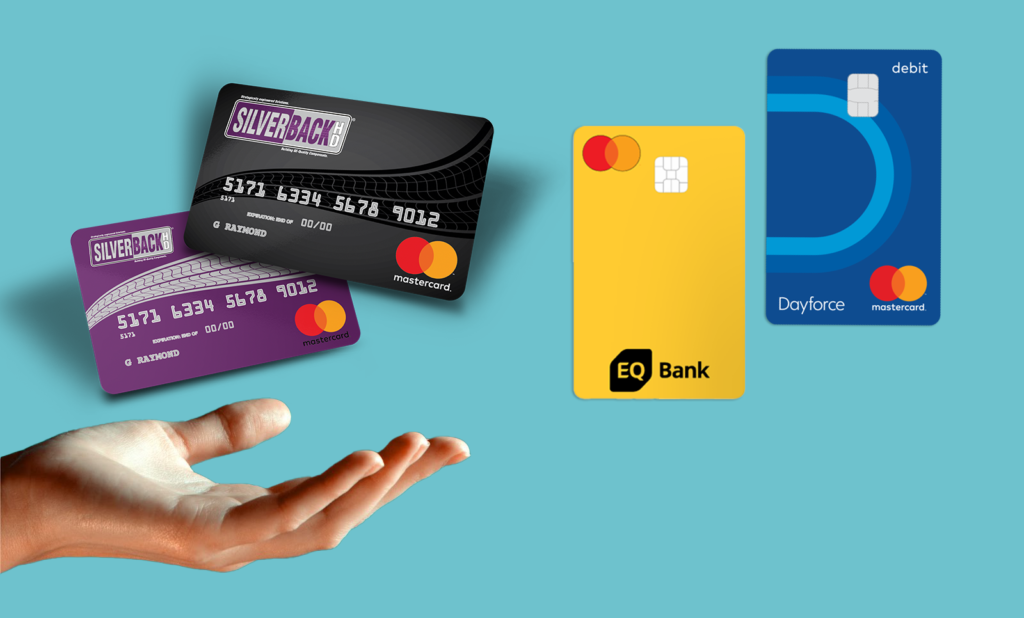
A well-designed custom debit card can handle payroll, transportation, membership points, identity verification, and access control simultaneously, providing cardholders with a fast and convenient “touch-to-pay” experience. The technological foundation supporting all this is typically modern security components, such as the NXP JCOP 4 P71 J3R180—a Java card platform supporting GlobalPlatform lifecycle management, EMV payment apps, ISO standards, and strong encryption. We’ll show you how DCCO TECH selects the right components, integrates secure applications, and manages production and personalization to ensure your custom debit card is reliable, secure, and user-satisfying.
Security, Hardware, and Standards for Custom Debit Card
Choosing the right security components is paramount in the development of custom debit cards. The NXP JCOP 4 P71 J3R180 offers a highly secure and flexible architecture suitable for the modern financial ecosystem. Built on the JCOP 4 P71 platform, it supports multi-application Java Card environments while strictly isolating payment and non-payment apps.
Its dual-interface functionality enables seamless switching between contactless chip transactions and contactless NFC operations. This is crucial for modern applications such as touch payments, ATM authentication, and POS terminals. Furthermore, its 180K EEPROM provides ample memory for storing multiple secure mini-programs, digital certificates, transaction counters, and encryption keys. From a manufacturing perspective, choosing a payment-certified platform significantly reduces certification time and integration risks. The J3R180 architecture is designed to resist physical tampering, side-channel attacks, and fault injection, ensuring long-term reliability.

Security Architecture and Key Management for Custom Debit Card
The security architecture must extend beyond the chip itself. Custom debit card projects involve secure element management, back-end authorization systems, personalization mechanisms, and secure hardware modules (HSMs). Therefore, each stage must operate under strict cryptographic management. Key generation and injection should be performed in a FIPS-compliant HSM environment. Secure channel protocols such as GlobalPlatform SCP03 ensure encrypted configuration during mini-program installation and personalization. Dynamic encryption, a tokenization framework, and a rigorous revocation process provide an additional layer of protection. For example, if a card is lost, the backend token deactivation must immediately invalidate its payment credentials without affecting other related services. Furthermore, regular key rotation and audit logging ensure long-term reliability. Security is not a one-time configuration but an ongoing operational commitment requiring strict policy enforcement and continuous review.
Compliance and Certification Considerations
Compliance ensures interoperability and trust. Any custom debit card used for payments must comply with EMVCo certification standards and integrate with global payment systems such as Visa and MasterCard. The J3R180 custom debit card is designed to meet these standards, significantly simplifying compliance. However, certification is not limited to chip functionality. Issuing institutions must also complete terminal interoperability testing, contactless payment performance verification, and risk parameter configuration. Additionally, any system handling sensitive cardholder data must comply with PCI DSS standards.
Furthermore, integration with transit cards or identity documents may require additional approval from local regulatory bodies. Planning these certifications early can avoid costly redesigns. Developing a structured certification timeline and tracking milestones ensures a smooth market entry.
Customized Debit Card Design and Function Integration
A successful customized debit card must serve clearly defined everyday scenarios. First, we ask clients to map out their user journey. For example, a commuter might use the card to ride the subway in the morning, make a purchase at a retail store during lunch, and enter a building in the evening.
This is because each function requires a different technical architecture. Payment transactions rely on EMV dynamic encryption, while transportation systems might use offline stored counters. Membership points integration typically connects to cloud accounts, leaving very little on-card storage. Defining these use cases ensures reasonable allocation of EEPROM capacity and optimizes the mini-program’s performance. A clear use case matrix also helps prevent functional overlap and simplifies lifecycle management. Prioritization is also crucial; not every application needs all the features. Therefore, it’s necessary to focus on high-frequency use cases and then gradually expand to maintain system stability.
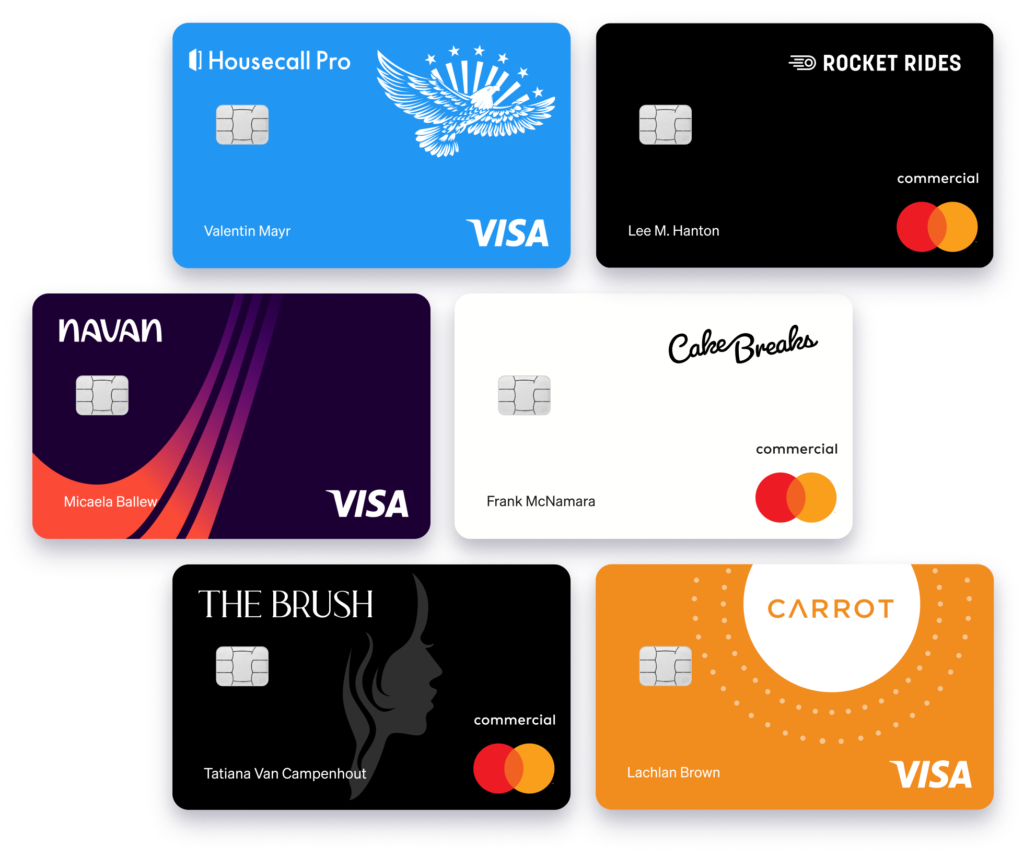
Multi-Application Logical Architecture
Multi-application deployment requires rigorous resource planning. A J3R180-based customized debit card provides each application with its own independent security domain, preventing unauthorized cross-domain access. This isolation is critical when integrating financial and identity services. Our engineers define memory allocation, key storage size, transaction log capacity, and update margin before deployment. Offline functionality is carefully designed; for example, transportation systems require secure decrementing counters and anti-replay mechanisms. Meanwhile, payment applications rely on backend authorization thresholds. This robust logical isolation protects the integrity of each service while maximizing the advantages of integrated functionality.
Custom Debit Card Form Factor, Materials, and Physical Customization
Physical durability directly impacts daily reliability. When manufacturing custom debit cards, we typically use a standard CR80 thickness (0.76 mm) to ensure wallet compatibility and global acceptance. For some high-end projects, thicker card bodies or built-in metal cores may be used for enhanced durability.
The choice of different materials affects the card’s lifespan. PVC is suitable for short-term projects, while PET-G or polycarbonate offers superior bending resistance and temperature resistance. Lamination parameters must be matched to antenna placement to ensure contactless payment performance. Additionally, for visual customization, options include UV printing, holographic lamination, laser engraving, and tactile elements. A well-designed debit card enhances user trust and satisfaction while ensuring stable RF performance.
Achieving Security, Integration, and Everyday Reliability
When secure components, application architecture, manufacturing precision, and operational management work together in production, a custom debit card that combines flexibility and trustworthiness can be created. Multi-application capabilities based on the Java Card environment enable scalable innovation. At the same time, stringent GlobalPlatform and EMV compliance ensure global interoperability. Simultaneously, robust key management practices and HSM-controlled personalization provide security for every transaction and credential stored on the custom debit card.