
 English
  Español

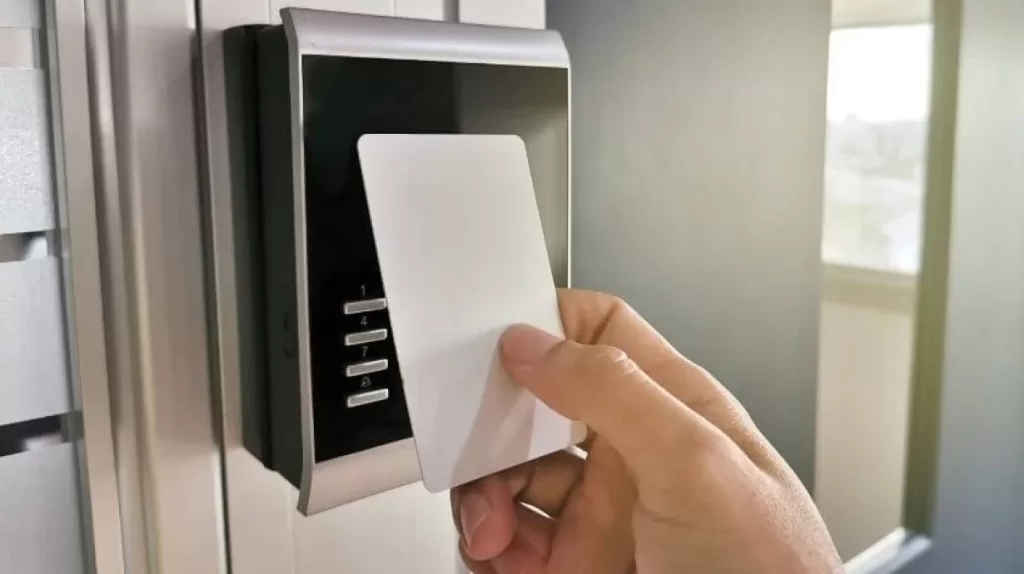
In real-world access control environments, making the right choice impacts system compatibility, read stability, user experience, security levels, and installation efficiency. A 125kHz card that appears suitable on the surface may perform poorly in practice if it fails to match the reader’s protocol, the specific site environment, or the system’s actual operating frequency requirements. For facility managers and system integrators, the objective is to select a 125kHz RFID card that is reliably compatible with existing access control systems while simultaneously meeting the operational demands of the specific site. Therefore, it is essential to evaluate not only the card chip format but also the storage type, card material, printing options, durability, and the application’s security requirements.
What is a 125kHz card?
A 125kHz card is a low-frequency proximity card commonly used for access control, identity verification, time and attendance tracking, parking systems, and simple authentication. It operates at 125kHz and communicates with readers via inductive coupling, which is why it is often called a “low-frequency RFID card.” Compared to higher-frequency technologies, 125kHz cards offer excellent stability for short-range reading, making them well-suited for access control systems in office buildings, factories, residential complexes, schools, warehouses, and small- to medium-sized commercial venues. Their greatest advantage lies in their “compatibility”: many currently installed access control systems still use this frequency range, making 125kHz cards both practical and economical.
Common 125kHz Card Form Factors
125kHz cards are typically available in a variety of physical forms, including: standard PVC cards, printable ID cards, key fobs, thick cards, clamshell cards, and read/write cards. The card’s physical form factor directly influences user convenience in daily use, its resistance to wear and tear, and opportunities to showcase brand identity. For instance, corporate offices might prefer standard PVC cards imprinted with the company logo. In contrast, residential property management teams might opt for key fobs to provide residents with easier, more convenient access in their daily lives.
Matching 125kHz Card Types to Access Control System Protocols
Not all 125kHz cards are universally interchangeable. The primary step in the selection process is to identify the specific protocol or chip type supported by the access control reader in use. This constitutes the most critical compatibility decision in the entire selection process.
Identify the Standards Supported by the Reader:
Some access control systems utilize simple proximity card formats, while others rely on specific chip families or proprietary identification schemes. Therefore, it is essential to identify the specific card reader model and verify the formats it supports with your system integrator or equipment supplier.
Select Based on the Application Environment:
Different systems impose varying requirements on access cards:
- Office Access Control: Typically requires cards that offer stable performance for daily use, high-quality print finishes, and moderate durability.
- Factory Access Control: Often demands greater resistance to wear and tear.
- Residential Access Systems: May prioritize ease of use and lower replacement costs.
- Parking Management Systems: Typically emphasize long-term reading stability and weather resistance.
- Time and Attendance Systems: May require support for bulk card issuance and streamlined registration processes.
Focus on System Compatibility—Beyond Just the Card’s Appearance
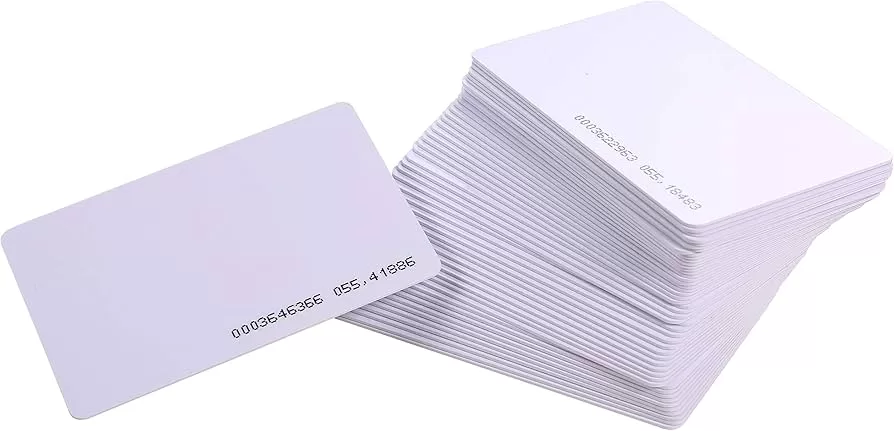
Two cards may appear nearly identical on the surface, yet perform vastly differently when interacting with a card reader. Factors such as card thickness, internal antenna design, chip format, and material composition can all impact operational stability. When making bulk purchases, request samples and test them using the specific card reader models you intend to deploy.
Evaluate Security Requirements, Durability, and User Experience
Once you confirm compatibility, the next step is to decide the level of security and durability you need. For many standard access control applications, a basic 125kHz card is sufficient—particularly when operational simplicity takes precedence over advanced encryption. However, if the facility involves sensitive data, restricted areas, or high-value assets, you must carefully evaluate whether the chosen card format provides adequate protection for the specific application environment. In low-risk environments, a standard 125kHz RFID card may offer the optimal balance between cost and functionality. In higher-risk environments, you may need to add extra security measures—like multi-factor authentication, restricted enrollment, or system-level access controls. You shouldn’t rely on the card alone to handle all the security.
Select the Appropriate RFID Card Format, Material, and Customization Level
Once you have a clear understanding of your system requirements, you can narrow down your options based on aesthetic design preferences and branding needs. As previously mentioned, the most common card formats include standard credit-card-sized PVC cards, clamshell cards, and key fobs. Each format serves a distinct purpose:
- PVC cards are the most common choice for offices, schools, and commercial buildings.
- Clamshell cards are typically utilized when durability and low issuance costs are the primary priorities.
- Key fobs have gained widespread popularity due to their convenience and practicality for daily carry.
- Thicker cards may be employed for specialized identification purposes or in applications where exceptional durability is required.
Material selection is not merely a matter of aesthetics; it directly impacts both durability and print quality. Many manufacturers favor PVC because it’s affordable and easy to customize. However, for use in harsh environments, materials with greater structural strength may be more appropriate. If your facility is subject to high temperatures, frequent handling, high humidity, or outdoor exposure, it is advisable to request samples for testing before placing a bulk order.

A Comprehensive Evaluation for Informed Selection
Selecting the appropriate 125kHz card requires a holistic assessment of compatibility, security, durability, and operational efficiency. The optimal choice is a card that seamlessly matches the reader protocol, operates stably in its actual working environment, facilitates user registration, and meets the organization’s long-term management requirements.
In the context of access control systems, a thorough, well-considered selection process can save time, reduce failure rates, and enhance the overall user experience. Whether you are managing office building entrances, residential access points, industrial gates, parking systems, or time and attendance systems, system compatibility should always be the primary consideration, followed by durability, customization options, and vendor reliability. When all these criteria are met, these low-frequency RFID cards become a dependable and integral component of your comprehensive access control solution.