
 Español
  English

The Role of Contactless Tech in Consular Identification Card Programs
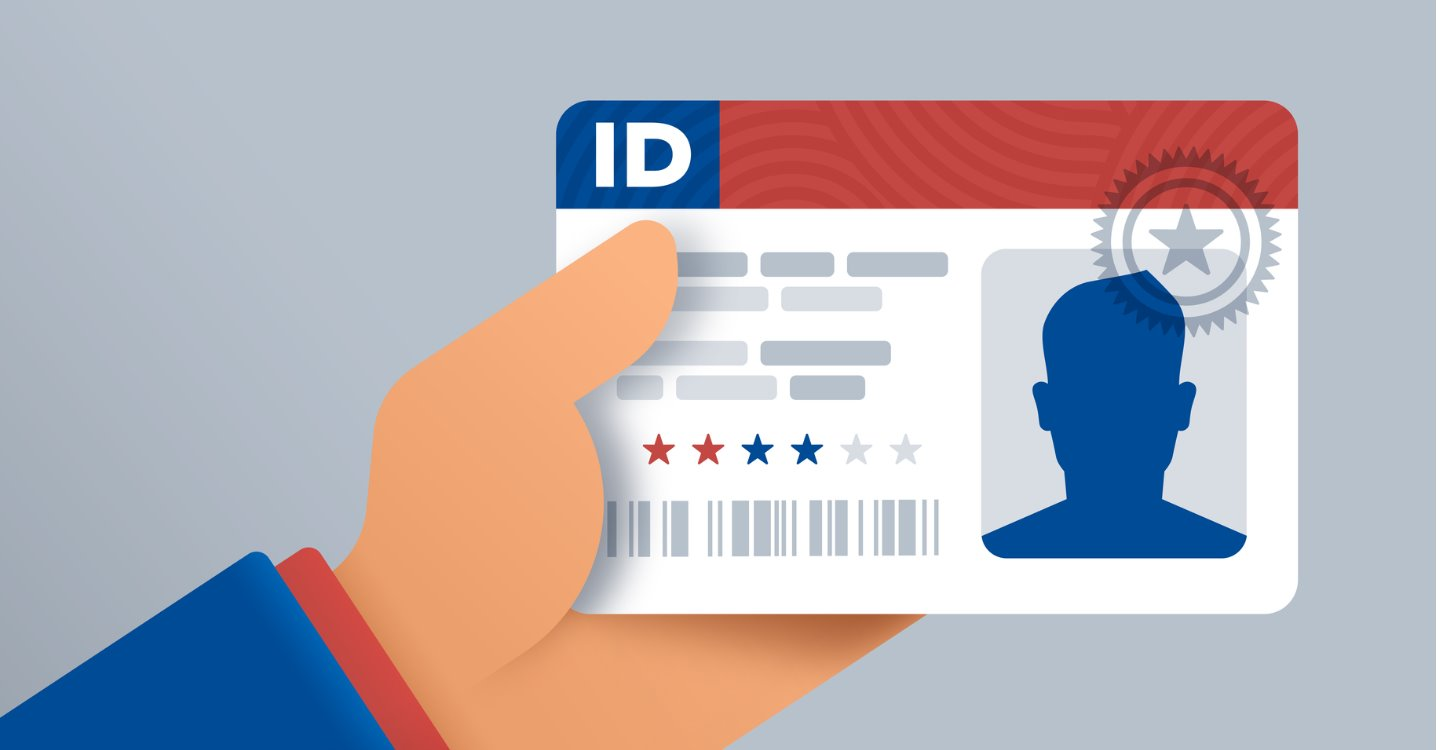
Consular Identification Card programs are becoming a vital tool for governments and expatriate communities. They allow foreign nationals to verify identity and access services in host countries. The introduction of contactless technology has transformed how these cards are designed and used. This shift delivers more secure, efficient, and versatile solutions compared to traditional identification methods.
Improving Security with Contactless Features
Security remains the priority in identification programs. Contactless technology allows encrypted data transfer between the card and a reader, reducing risks of tampering or cloning. With advanced authentication protocols, the system can block unauthorised access. Features like cryptographic keys add extra protection. By combining modern encryption with the physical security of a smart card, these programs achieve a much higher level of trust. Security improvements directly support the global acceptance of the Consular Identification Card.
Enhancing Accessibility and User Experience
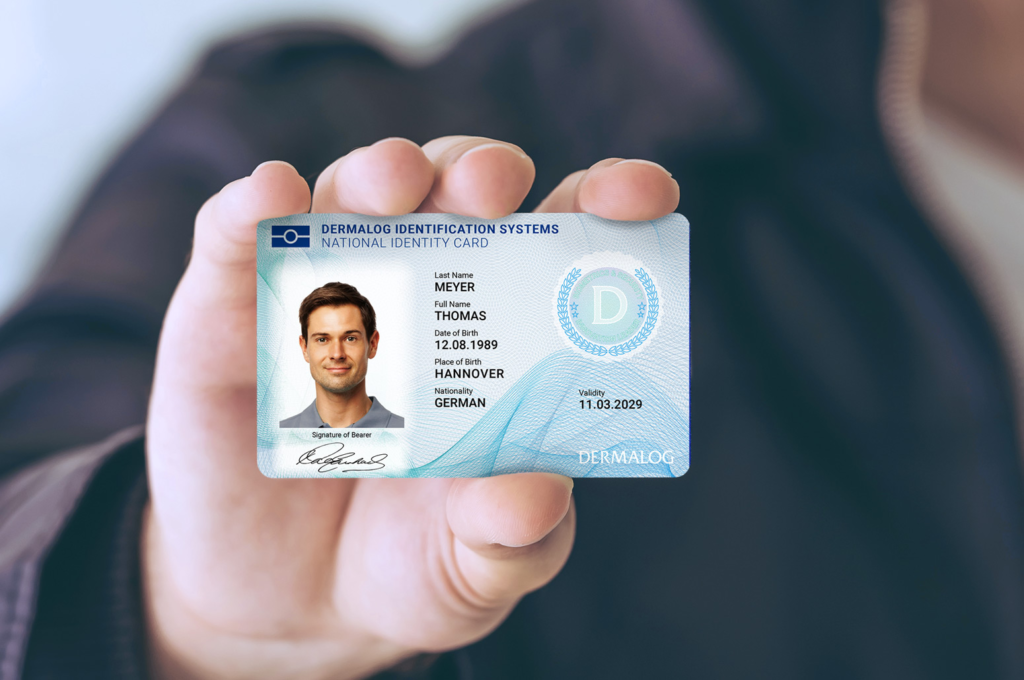
Ease of use is another reason why consulates adopt contactless systems. Cardholders can quickly tap their card against a reader without inserting it. This reduces queues at service counters and ensures a faster verification process. Users no longer worry about worn-out magnetic strips or fragile chips. In addition, contactless readers integrate smoothly into kiosks, ATMs, and mobile devices. By making processes faster and more reliable, the Consular Identification Card becomes a practical everyday tool.
Integration with Smart Technologies
Modern identification systems must connect with a wide range of digital services. Contactless cards integrate well with mobile authentication, e-government platforms, and banking services. Many consular programs adopt technologies similar to Java card architecture, which allows secure multi-application support. A single card can manage identity verification, access control, and financial transactions. This flexibility makes the Consular Identification Card a scalable solution for growing community needs.
Streamlining Administrative Processes
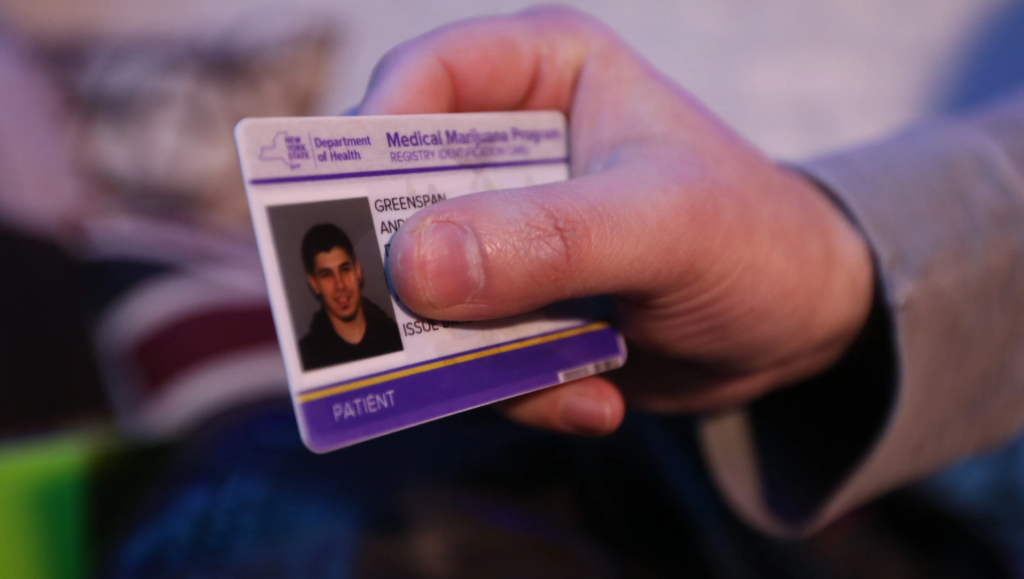
For consulates, efficiency is essential. Contactless solutions reduce the need for manual checks and paperwork. Staff can instantly verify identities through automated systems, reducing human error. The system also supports remote updates, meaning card data can be modified without physical card replacement. This lowers operational costs and improves record accuracy. By streamlining both front-end and back-end processes, the Consular Identification Card helps consulates serve citizens more effectively.
Durability and Long-Term Reliability
Traditional ID cards often fail under heavy use. Contactless cards, however, experience less wear since no direct physical contact is required. Advanced materials ensure durability even in challenging conditions. Many programs also rely on RFID card structures to extend life cycles. This means cardholders need fewer replacements, and governments save money on reissuance. The durability factor strengthens trust in the Consular Identification Cards as a reliable form of identification.
Supporting Multi-Functional Use Cases
Beyond identity verification, contactless technology enables multi-functional applications. The same card can support healthcare access, transportation services, and even remittance programs. This versatility is especially valuable for migrant communities, who often need broad service access with minimal administrative hurdles. By expanding use cases, governments maximise the value of each Consular Identification Card.
Global Adoption and Compliance
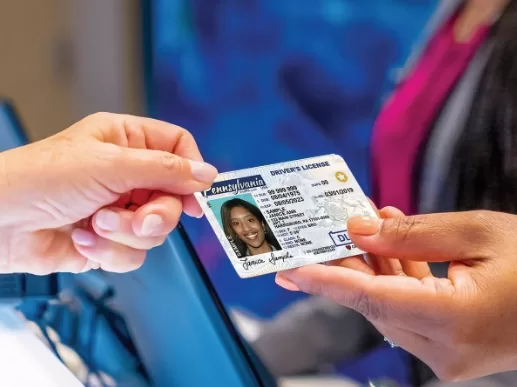
Worldwide, consular programs must comply with international standards. Contactless systems are built on widely recognised protocols like ISO/IEC 7816 and ISO/IEC 14443. These standards ensure interoperability across countries and systems. They also guarantee compliance with data protection laws in regions such as the EU and North America. This global alignment enables cardholders to confidently use their Consular Identification Card abroad, knowing it meets stringent security and privacy standards.
Final Thoughts on Consular Identification Card Programs
The integration of contactless technology has reshaped consular services. It combines stronger security, easier access, and broader applications into a single system. Features from smart card, Java card, and RFID card technologies enhance both user experience and administrative efficiency. For governments, the result is lower costs and better compliance. For citizens, it means a secure and reliable identity tool. As adoption grows, the Consular ID Card will continue to play a critical role in international identification programs.