
 Español
  English


NFC Credit Card vs Mobile Wallets for Everyday Transactions
Every day, payments now happen faster than ever. Consumers tap instead of swiping or inserting. Two tools dominate this shift. One is the NFC Credit Card. The other is the mobile wallet stored on smartphones. Both promise speed, security, and convenience. Yet they work differently behind the scenes. Users often choose based on habit rather than understanding. Merchants also face decisions about support and infrastructure. Comparing these options helps consumers and businesses make more intelligent choices. This article explains how each option performs in real-world daily transactions.
How NFC Credit Cards Enable Contactless Payments
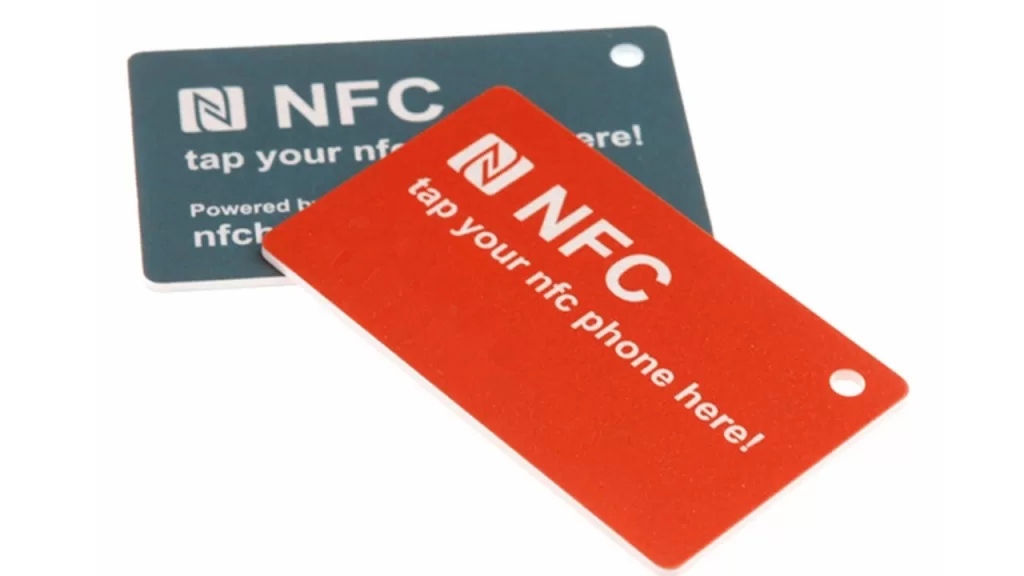
An NFC Credit Card uses a secure chip and antenna. The card communicates with terminals using short-range radio frequency. The process takes milliseconds. Users tap and go. No battery is required. The card draws power from the reader field. Encryption protects transaction data. EMV standards guide authentication and authorization. Each transaction generates dynamic data. This prevents replay attacks. NFC Credit Cards work consistently across regions. They also function without internet connectivity. This reliability makes them popular for everyday spending, transport, and quick retail purchases.

How Mobile Wallets Handle Transactions
Mobile wallets store card credentials digitally. Smartphones use NFC modules to emulate cards. Biometric authentication adds another security layer. Fingerprints or facial recognition verify the user. Wallets also tokenize card numbers. Merchants never see real account details. Many wallets require an active device and a sufficient battery. Some rely on network connectivity for certain features. Mobile wallets integrate loyalty programs and transaction history. Updates happen through software. This flexibility appeals to tech-savvy users. However, device dependence introduces potential friction during daily use.
Security Comparison in Real Transactions
Security matters most in payments. NFC Credit Cards rely on hardware-based secure elements. Keys stay inside the chip. Physical possession remains required. Lost cards can still create risk until blocked. Mobile wallets reduce this risk using biometrics. Stolen phones alone cannot easily authorize payments. Tokenization adds protection. However, malware and device compromise remain concerns. Both systems follow strict standards. EMV and PCI guidelines apply equally. In practice, both deliver strong protection. The difference lies in attack surfaces and user behaviour patterns.
Speed and Convenience at Checkout
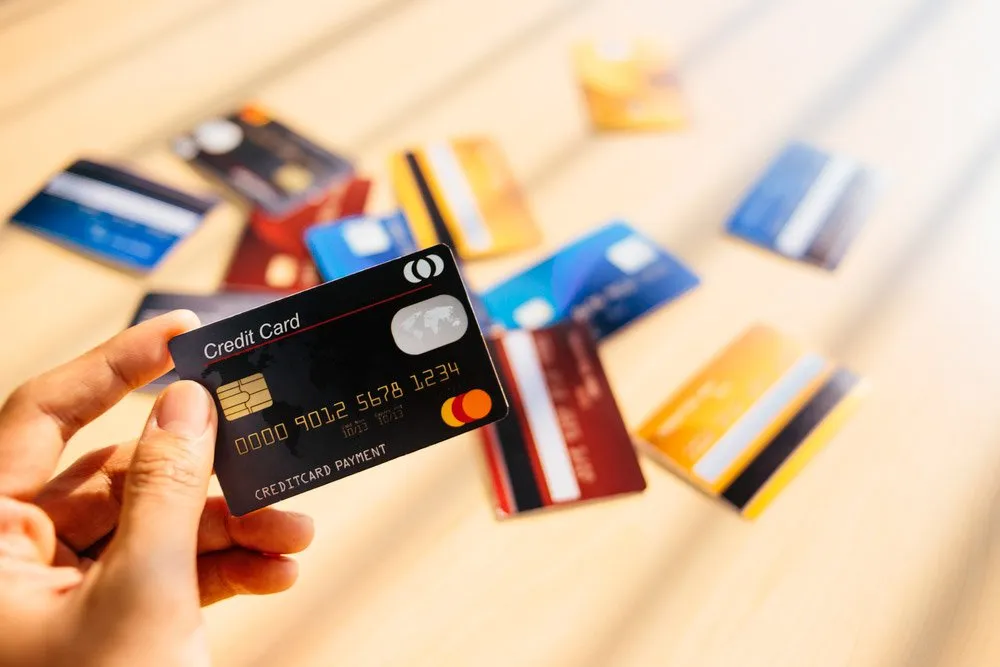
Speed defines everyday transactions. NFC Credit Cards offer consistent tap performance. No unlocking or app launching is required. This benefits busy environments. Mobile wallets may take extra seconds. Users must wake devices and authenticate. In crowded stores, those seconds matter. However, mobile wallets excel in multi-function use. They combine payments, tickets, and IDs. NFC Credit Cards focus on one task. Their simplicity often wins in high-volume scenarios. Transit systems and cafeterias still favour physical cards for throughput reasons.
Acceptance and Infrastructure Readiness
Global acceptance shapes usability. NFC Credit Cards work at any contactless terminal. Most modern POS systems support them by default. Mobile wallets depend on software compatibility and regional support. Some terminals turn off wallet features. Older systems may fail to properly recognize devices. Offline transactions favour physical cards. Rural and international locations still rely on cards. Merchants also prefer predictable behaviour. For now, NFC Credit Cards enjoy broader and more stable acceptance across markets and industries.
Cost and Operational Considerations
Banks issue NFC Credit Cards at scale. Unit costs remain low. Card lifespan often exceeds several years. Mobile wallets shift costs toward device manufacturers and platforms. Merchants face similar transaction fees for both. Support and training differ. Staff easily understand card usage. Wallet troubleshooting takes longer. From an operational view, cards simplify deployment. Enterprises managing large user bases still favour physical issuance. Predictable lifecycle management reduces complexity. These factors influence institutional decisions beyond consumer preference.
NFC Credit Card vs Mobile Wallets for Everyday Transactions
Both payment methods serve modern needs. Mobile wallets offer flexibility and digital integration. NFC Credit Cards deliver reliability, speed, and universal acceptance. For everyday transactions, habits and environments matter most. Many users still trust the simplicity of an NFC Credit Card. Others prefer phone-based convenience. In reality, both will coexist. Understanding their strengths helps users make confident choices. Merchants benefit from supporting both options. Balanced ecosystems create smoother payment experiences for everyone.