
 English
  Español

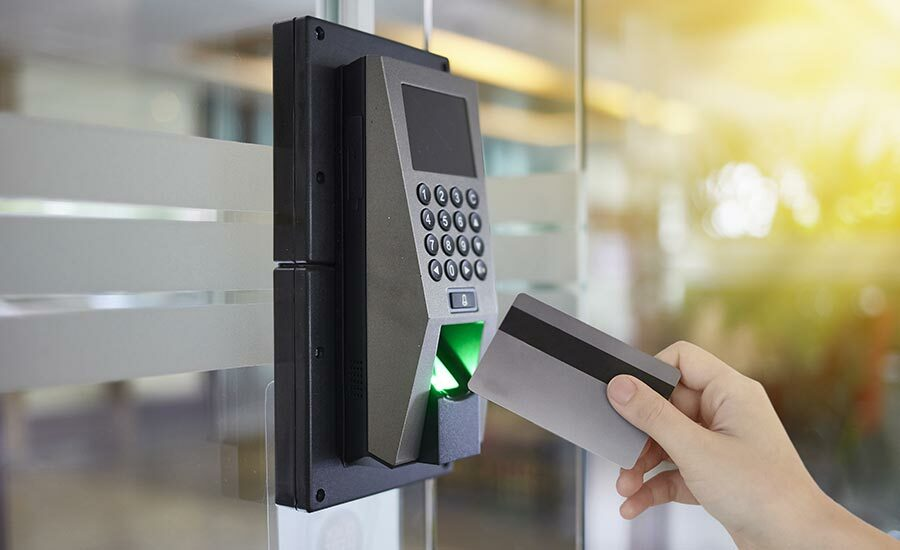
Understanding Proximity Card UID Structure and Data Storage
Every secure access system relies on unique identification for each credential. A Proximity Card carries a UID, or unique identifier, which distinguishes it from every other card. This UID enables doors, gates, and secure terminals to instantly recognize authorized users. Understanding UID structure and data storage helps system integrators, security managers, and users appreciate how these cards maintain safety. The UID is not just a random number; it follows specific formats and standards to prevent duplication. Proper data storage ensures reliable access and reduces fraud risk. Modern businesses increasingly depend on this invisible backbone.
How UID Uniquely Identifies Each Card
The UID serves as the card’s fingerprint. Each card manufacturer embeds a unique sequence into the chip. Most UIDs consist of 4, 7, or 10 bytes. The byte length determines the scope of the card’s uniqueness. A 4-byte UID allows roughly 4.3 billion combinations. Longer UIDs offer near-infinite possibilities. Readers detect this code when the card is near the antenna. Once recognized, the system grants or denies access. Even two cards of the same model never share identical UIDs. This uniqueness is crucial in high-security areas such as offices, hospitals, and data centers. Without it, access systems would be vulnerable to cloning.
Common UID Formats and Standards
Proximity Cards follow internationally recognized standards such as ISO 14443 and ISO 15693. The standard defines UID byte length, encoding, and anti-collision features. Anti-collision ensures that multiple cards presented simultaneously do not interfere with each other. UID formats include fixed, configurable, and random schemes. Fixed UIDs remain constant throughout the card’s life. Configurable UIDs enable the issuer to personalize them. Random UIDs enhance security by changing after each read cycle. Each format suits specific applications. Understanding these options helps organizations select the right Proximity Card for their environment.
How Data Storage Works in Proximity Cards
Besides the UID, Proximity Cards contain memory sectors for storing additional information. Data can include access permissions, user profiles, or encryption keys. Low-frequency (125kHz) cards typically store minimal information. High-frequency (13.56MHz) cards offer larger, sectorized memory blocks. Each block is protected with security keys. Data read or write operations occur only when the reader authenticates correctly. This prevents unauthorized data modification. Efficient data storage allows multi-application usage. Users can access offices, parking, and payment terminals with the same card. Memory structure directly impacts flexibility and security.
Security Mechanisms Protecting UID and Data
Security is embedded in both the UID and the data sectors. Access keys control read/write permissions. Many Proximity Cards support encryption for sensitive information. Some high-security models use mutual authentication between the card and the reader. Without proper keys, even a detected UID cannot grant access. Anti-cloning measures prevent duplication. Tamper-resistant chips safeguard against physical attacks. Secure UID handling ensures the system only recognizes valid credentials. This layered approach protects both the cardholder and the facility. Security depends on hardware, protocols, and proper configuration.
Integration with Readers and Access Systems
Proximity Card readers interpret UIDs and stored data to manage access decisions. The reader antenna powers the card’s chip via induction. The card transmits UID data to the reader. Software validates this data against a secure database. Additional information from memory sectors can control multi-level access. Integration requires compatibility between card standards and reader firmware. Many readers handle multiple frequencies or support legacy systems. A well-integrated system reduces misreads and improves throughput. Efficient UID recognition is critical in high-traffic environments. Businesses gain reliability and operational efficiency.

Best Practices for Card Issuers and Users
Organizations issuing Proximity Cards should follow strict UID management protocols. Avoid duplicate UID assignments to maintain system integrity. Use sector-level security keys to protect stored data. Regularly audit card usage to detect anomalies. Training staff on card handling reduces accidental damage or unauthorized access. For users, keeping cards in good condition ensures consistent reading. Avoid exposing cards to strong magnetic fields or extreme temperatures. Following these best practices extends the lifespan of cards and maintains security. Proper management supports both safety and efficiency.
Understanding Proximity Card UID Structure and Data Storage
A Proximity Card’s UID and memory structure form the foundation of secure access. Each UID uniquely identifies a card, and data storage sectors securely store permissions and credentials. Anti-collision and encryption protect both the UID and the information. Integration with readers ensures smooth access control operations. Organizations following best practices reduce fraud and operational errors. Understanding UID and data architecture allows businesses to select, deploy, and maintain robust access systems. Modern security depends on these invisible but critical technologies.