
 English
  Español


Prox Card Demand Forecast in the Access Control Market
The global access control market continues to expand steadily. According to IMARC Group, the market size reached approximately USD 10.6 billion in 2024 and is projected to grow to USD 18.8 billion by 2033, representing a CAGR of around 6.5%. Many organisations upgrade their security infrastructure to comply with regulations and improve efficiency. Card-based authentication remains popular because millions of installed readers still operate on 125 kHz systems. Facilities prioritise cost-effective and reliable solutions. These conditions ensure continued demand for Prox Card credentials. Expansion of buildings and additional access points further increases card volume. Even as mobile solutions emerge, Prox Card maintains a solid foundation in the access control ecosystem.
Installed Base Influence and Replacement Cycles
Legacy systems dominate a significant portion of the installed base. Replacing readers, wiring, and controllers is expensive. Most organisations opt for phased upgrades instead of full transitions. Lifecycle management drives recurring card consumption. New hires, visitors, and lost cards require frequent replacement. High-turnover sectors such as retail, hospitality, and logistics generate continuous demand for Prox Cards. Industry surveys indicate that credential refresh cycles average two to three years, maintaining a predictable purchasing pattern. Facilities also issue temporary credentials, which contributes additional card volume.

Sector-Specific Demand Drivers
Different industries shape Prox Cards demand uniquely. Healthcare facilities increase credential issuance to meet strict compliance standards. Hospitals require detailed access tracking for staff and visitors. Manufacturing plants expand secure zones to protect sensitive data and equipment. Educational institutions manage multi-building campuses that require scalable, card-based solutions. Commercial real estate operators rely on card systems for multi-tenant buildings to simplify access management. These industries balance security, cost, and usability. Consequently, Prox Card remains an essential component for many organisations across these sectors.
Technology Transitions and Hybrid Deployment Trends
Mobile credentials and high-frequency smart cards are growing, but complete system replacements occur gradually. Hybrid environments are now familiar. Facilities deploy mobile access at key points while retaining existing 125 kHz readers elsewhere. Organisations maintain backward compatibility to protect existing investments. Even when adopting higher-frequency solutions, Proximity Card continues to serve visitors, contractors, and specific departments. Multi-phase technology upgrades ensure steady card issuance. Consequently, Prox Card demand remains consistent even amid evolving technology trends.

Regional Forecast and Market Dynamics
North America leads global Prox Card consumption, accounting for roughly 38% of the market in 2024. Europe is seeing gradual modernisation, with hybrid deployments combining low-frequency cards with newer formats. The Asia-Pacific region is growing rapidly due to expanding construction and rising security awareness. Many new facilities adopt low-frequency card systems to save costs. Global patterns indicate steady Prox Card demand as regions continue balancing legacy infrastructure with incremental upgrades. Market analysts note that new installations often choose cost-effective, proven card solutions like Prox Card.
Supply Chain and Manufacturing Considerations
Card production relies on materials, manufacturing throughput, and logistics. Supply chain stability improves reliability for high-volume deployments. PVC and composite card availability remains consistent. Production automation enhances efficiency, while improved lamination extends card life. Longer-lasting cards reduce waste but do not substantially lower purchase volume, as organisations continue to issue credentials for new staff and replacements. Low-frequency Prox Card systems maintain a competitive advantage over high-end smart cards or biometric devices due to their predictable supply and more straightforward integration.
Buyer Preferences and Procurement Patterns
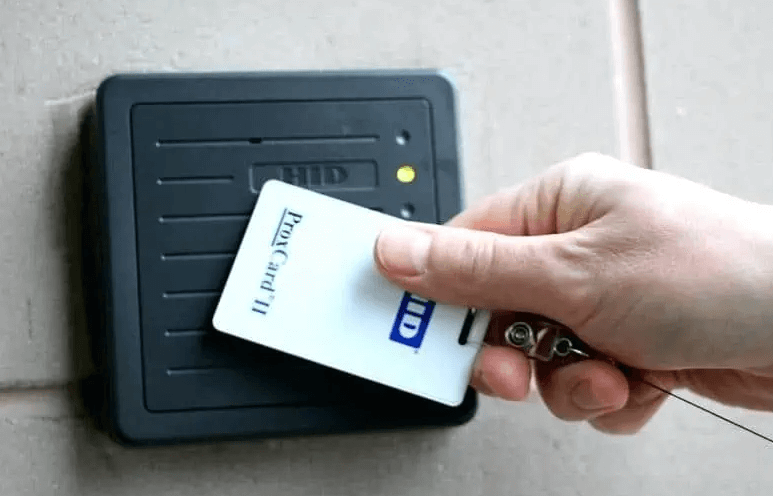
Procurement teams prioritise compatibility with existing readers. Many request 26-bit or 37-bit Prox Card formats and standard facility codes. Multi-site organisations standardise credential sets for operational efficiency. Custom branding, colour-coding, and photo IDs increasingly drive demand. Integrators report growing interest in hybrid-format cards combining low-frequency Prox technology with high-frequency or innovative card capabilities. Even in mixed deployments, the Prox component ensures continuity and supports steady demand. Replacement cycles accelerate in high-turnover sectors, reinforcing consistent Prox Card consumption.
Long-Term Outlook for Prox Card Demand Forecast in the Access Control Market
The long-term outlook remains robust. Market growth forecasts predict a 6.5%–8.4% CAGR between 2025 and 2033. Organisations maintain hybrid infrastructures, keeping Prox Card relevant alongside mobile and smart credentials. Ongoing card issuance arises from new employee onboarding, replacements due to loss or wear, and system expansion. Prox Card’s reliability, broad compatibility, and low cost ensure it continues to meet the needs of enterprises and institutions. As a result, Prox Card demand in the access control market will remain stable and significant across multiple verticals over the next decade.