
 Español
  English

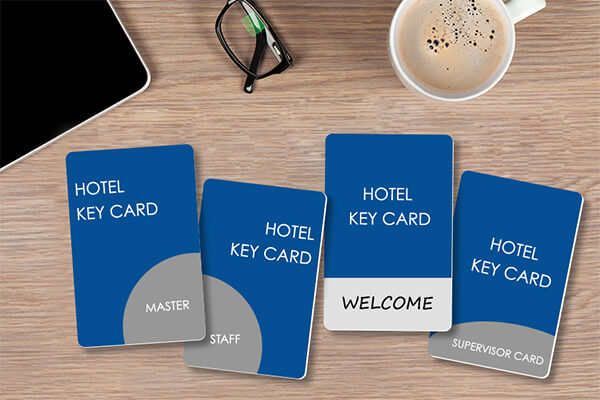
What should you pay attention to when customizing RFID Hotel Key Card for your hotel?
Many hotels use RFID technology to provide secure, contactless access. A customizing RFID hotel key card not only enhances the guest experience but also strengthens the hotel’s brand. However, customization involves several factors—chip type, material, encoding, and design consistency with hotel systems. Overlooking these details can lead to compatibility issues, reduced durability, and wasted investment. Let’s take a look at what you should consider before ordering your next batch of RFID hotel key cards.
Choose the Right RFID Frequency and Chip Type
Every hotel system uses specific RFID frequencies — typically 125 kHz (low frequency) or 13.56 MHz (high frequency). The wrong choice can make the card unreadable by existing locks. High-frequency chips such as MIFARE Classic, MIFARE DESFire EV2, or NTAG series support encryption and multi-application use. Low-frequency cards, like EM4100 or TK4100, work for basic access but offer less data security. Confirm with your lock system supplier before ordering. Matching the chip and frequency to your lock ensures flawless communication and longer system life.
Focus on Material Quality and Durability
Hotel key cards experience constant wear. A guest may swipe or tap a card dozens of times per stay. PVC remains the standard choice, but premium hotels often upgrade to PET or ABS composite materials for better heat and moisture resistance. Some resorts use eco-friendly wood or biodegradable PLA cards to align with sustainability goals. Always ask suppliers for ISO 7810 compliance and check that cards can handle at least 10,000 read cycles. High-quality materials protect both the embedded chip and your brand reputation.
Ensure Compatibility With Hotel Lock Systems
Each hotel access control system has unique encoding protocols. Popular systems like ASSA ABLOY (VingCard), Salto, or Onity require specific chip data structures. Encoding errors can cause locks to reject cards entirely. Work closely with both your lock vendor and RFID card manufacturer to share technical parameters such as sector keys, encryption levels, and card numbering format. Request a few test cards before mass production. Proper testing eliminates rework costs and guest complaints caused by incompatible RFID Hotel Key Card configurations.
Design With Branding and Functionality in Mind
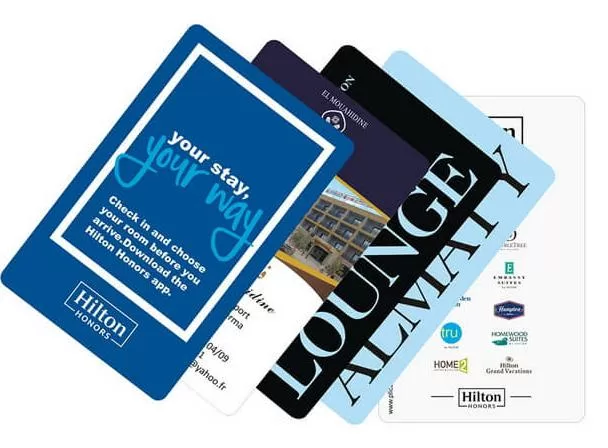
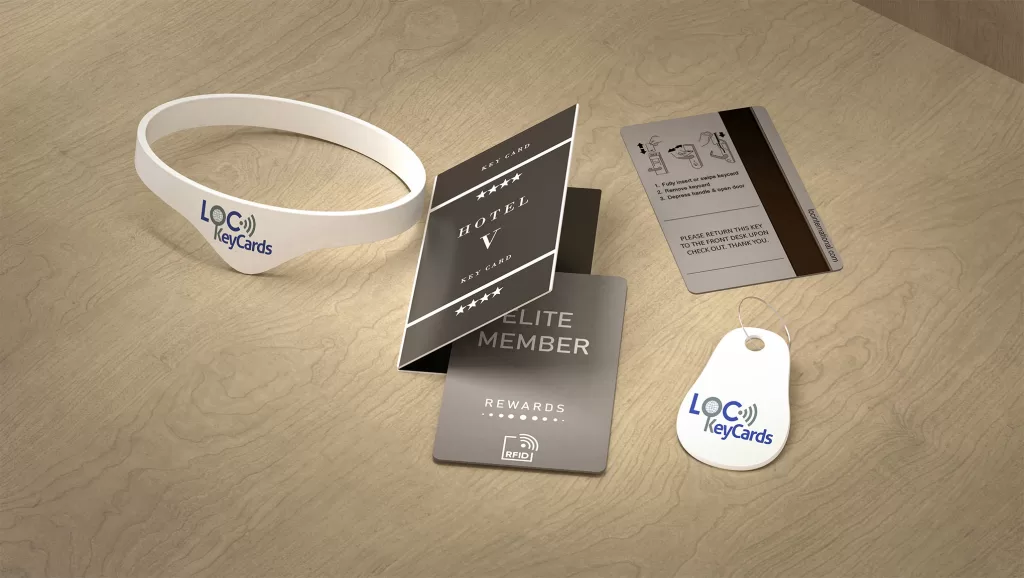
Your room key card is a silent marketing tool. Guests handle it several times daily, making it perfect for reinforcing your logo, colors, and brand tone. Use high-resolution printing, UV coating for longevity, and design both sides to carry helpful information like Wi-Fi details or check-out time. For chain hotels, a consistent layout across properties builds brand recognition. Keep text readable and avoid metallic inks near the chip antenna area, which can interfere with signal strength. A thoughtful design merges aesthetics with reliability.
Data Encoding and Security Measures
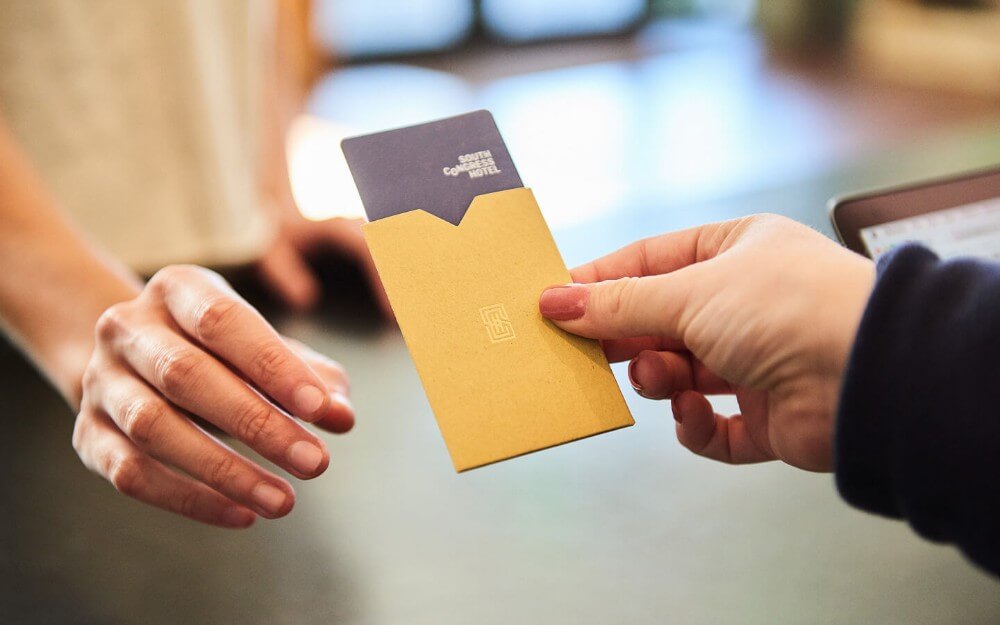
Security should never be an afterthought. Program each RFID chip with encrypted access data and unique identifiers. Avoid printing room numbers on cards — it creates a physical security risk if the card is lost. Some advanced properties use rotating encryption keys or encode time-limited access to prevent unauthorized entry. Integrating the encoding process with property-management systems reduces manual errors. Staff training on secure card issuance and disposal also minimizes exposure to data breaches or cloning.
Sustainability and Reusability
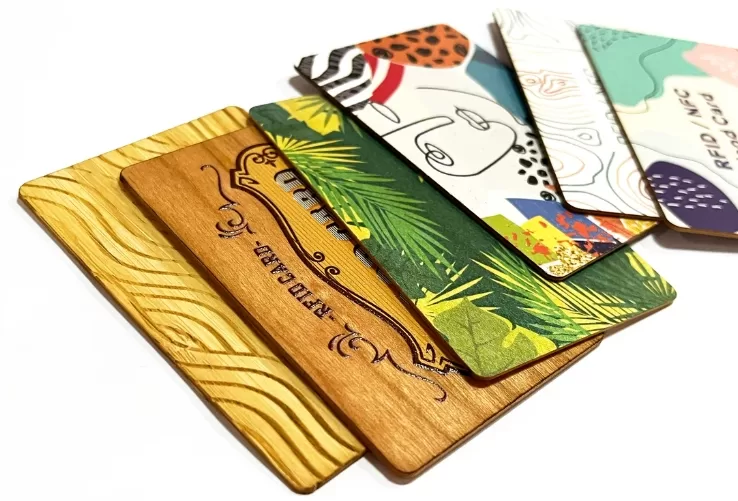
Hotels issue millions of key cards yearly, and most end up discarded after check-out. Eco-friendly initiatives can reduce waste and operating costs. Consider reusable RFID cards or recyclable materials. Many hotels have switched to re-encoded cards that last over 100 guest cycles, reducing plastic consumption by up to 60%. Communicate your green initiatives to guests — sustainability has become an essential factor in booking decisions, especially among younger travelers. A durable, reusable RFID Hotel Key Card aligns hospitality with environmental responsibility.
Vendor Reliability and Quality Assurance
Not all card manufacturers maintain consistent quality control. Choose suppliers with experience in hotel access systems and proven references. Request sample cards, test chip performance, and verify compliance with ISO/IEC 14443 or ISO/IEC 15693 standards. Reliable vendors provide full traceability for batches and maintain a tight tolerance on card thickness for smooth reader insertion. A strong supply partner ensures stable delivery, technical support, and consistent quality across multiple hotel properties.
Final Thoughts on RFID Hotel Key Card Customization
Customizing an RFID Hotel Key Card involves balancing technology, design, and guest experience. By selecting the right chip, durable materials, secure encoding, and reliable vendors, hotels can deliver seamless access while projecting their brand identity. Innovative customization saves costs, strengthens data protection, and elevates guest satisfaction. Whether you manage a boutique inn or a global chain, attention to these details turns an everyday access card into a powerful symbol of quality and security.