
 English
  Español

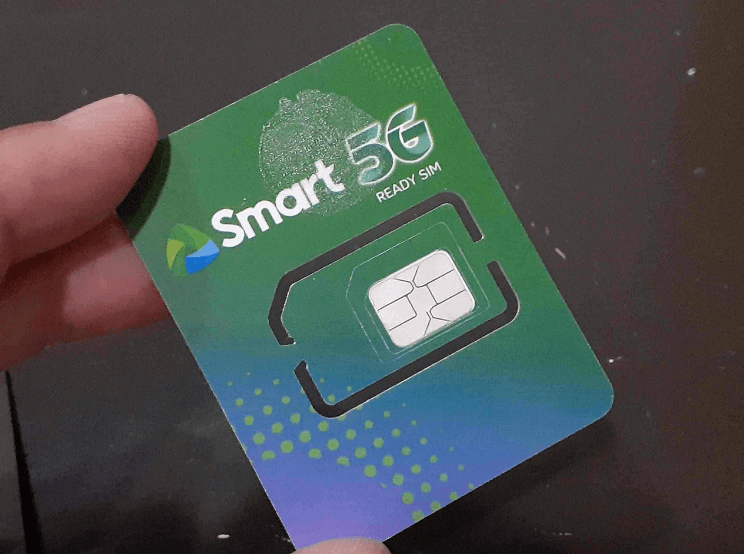
The choice of connectivity solution determines how modern businesses expand their operations, protect data, and manage devices. SIM card technology plays a crucial role in this process. Today, businesses can choose from smart SIM cards, eSIMs, and iSIM solutions. Each option impacts security architecture, lifecycle management, and long-term costs. Many companies underestimate these differences, and this mistake often leads to migration problems later on. I will explain the differences between smart SIM card, eSIMs, and iSIMs to help you make a more informed decision.
Smart SIM Card as a Proven Enterprise Standard
A Smart SIM Card is a removable secure element designed for authentication and encryption. It follows ETSI and GSMA specifications. Most Smart SIM Cards platforms run Java Card–based operating systems. This allows secure applets, cryptographic isolation, and OTA updates. Enterprises trust this model because it separates security from the device. Keys stay protected even if the device is compromised. Banks, governments, and enterprises still rely on Smart SIM Card solutions. GSMA Intelligence confirms that removable SIM cards remain widely used in enterprise and M2M deployments due to proven security and lifecycle control.
eSIM and Remote Provisioning Benefits
An eSIM embeds SIM functionality into a soldered chip. It supports remote provisioning through GSMA standards. Businesses like eSIMs because they eliminate the need for physical SIM swaps. That simplifies global deployments. Logistics and inventory costs drop. Enterprises can switch operators remotely. This flexibility matters for international operations. Security remains strong because eSIM still uses a dedicated secure element. However, physical replacement becomes impossible. If the chip fails, the entire device may require servicing. eSIM works best where flexibility outweighs hardware reuse.
iSIM and Full Integration into Chipsets
iSIM represents the next step in SIM evolution. It integrates SIM functionality directly into the system-on-chip. ARM introduced iSIM frameworks to reduce size and power consumption. This approach eliminates the need for a separate SIM chip. It suits constrained IoT devices. Examples include sensors and wearables. However, iSIM adoption remains early. Certification complexity and ecosystem maturity still limit large-scale enterprise use. GSMA reports that iSIM is mainly deployed in pilot projects and specialized IoT scenarios.
Security Architecture Differences
Security is the most critical factor for businesses. This solution provides the strongest isolation protection. They use tamper-resistant hardware. This minimizes attack surfaces. eSIMs maintain strong security but share device space. iSIM increases integration but reduces hardware separation. ETSI security evaluations still favor removable secure elements for high-risk environments. Finance, healthcare, and identity systems often require this level of assurance. Businesses handling sensitive data usually select Smart SIM Card architectures for compliance and audit clarity.
Lifecycle Management and Operational Control
Enterprises have managed devices for many years. Smart SIM Card solutions support replacement, reassignment, and reuse. This flexibility reduces waste and downtime. eSIM simplifies provisioning and scaling but limits physical control. iSIM locks the SIM into the chipset lifecycle. Any hardware failure impacts connectivity directly. GSMA lifecycle models show enterprises still prefer Smart SIM Card solutions where asset control and regulatory oversight matter most.
Cost, Scale, and Long-Term ROI
Cost decisions go beyond unit pricing. Smart SIM Cards solutions add component cost but reduce security risk. eSIM reduces logistics expenses and accelerates rollout. iSIM lowers the bill of materials at scale. ARM notes that iSIM benefits are primarily seen in high-volume IoT deployments. Enterprises must balance upfront savings with operational risk. In many regulated industries, Smart SIM Card solutions deliver better long-term ROI due to stability and compliance.
Choosing the Right Smart SIM Card Strategy for Business
There is no single best SIM technology. Each serves different business priorities. A Smart SIM Card remains the most trusted choice for security, compliance, and lifecycle control. eSIMs suit global deployments that need flexibility and speed. iSIM targets cost-sensitive IoT at scale. Businesses should carefully evaluate risk, regulations, and deployment lifespans. The right SIM strategy ensures secure growth and long-term resilience in connected systems.