
 English
  Español


Healthy Card Chip Options for Secure Medical Data Storage
Hospitals keep moving toward digital workflows. Patients expect instant access to records. And healthcare providers must handle mountains of sensitive data every single day. A Healthy Card with the right security chip solves many of these issues. It stores encrypted information, supports multi-layer authentication, and works across different medical systems. I will introduce you to the most reliable chip options currently available, including each chip’s features, optimal application scenarios, and how they protect medical information in real-world settings.
Smart Card Chip Architecture in Modern Healthcare
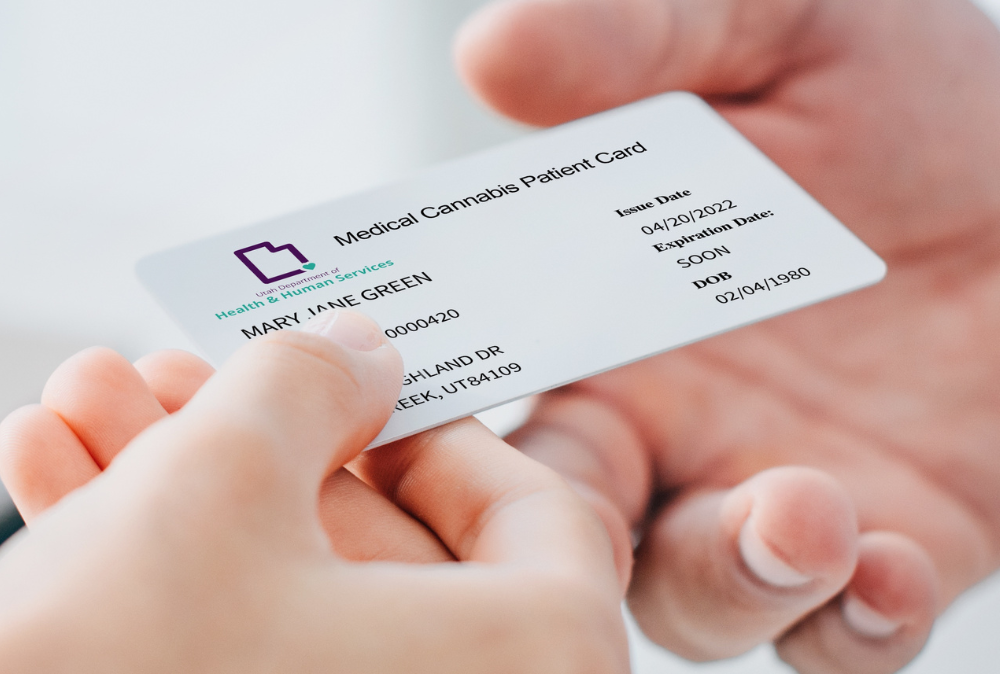
A secure medical card starts with its chip architecture. Most healthcare-grade smart cards use microcontroller-based security chips. These chips include secure storage zones, cryptographic co-processors, and hardware firewalls. Medical facilities rely on this structure because it isolates critical data and blocks unauthorised access attempts. Hospitals can configure storage areas for patient ID, insurance details, or biometric templates. The chip executes tasks inside a locked environment. Everything runs on tamper-resistant hardware rather than the hospital’s open network. This reduces breach risk and improves long-term system reliability.
AES-Enabled Microcontroller Chips for Patient Data
AES-enabled chips remain the most widely used option for medical storage. AES-128 and AES-256 encryption guard sensitive data against common attack vectors. Many hospitals prefer AES-256 because it provides stronger protection for long-term archives. These chips also support rapid authentication. Nurses and doctors can verify access privileges within milliseconds. That helps in emergency rooms where delays cause real problems. A NIST study confirms that AES-256 remains resistant to brute-force attacks with current computing power. This makes it a dependable foundation for Healthy Card deployments at scale.
Java Card-Based Chips for Multi-Application Medical Use
Some hospitals require a single card to handle multiple functions. Java Card chips meet this need. They allow secure applets for insurance, pharmacy authentication, building access, and digital signatures on the same card. Java Card’s sandbox model isolates each applet. One function cannot leak data into another function. Many European hospitals use Java Card-based solutions because they integrate easily with existing e-Health infrastructures. These cards also support updates after deployment. Providers can push new security modules or temporary access rules without recalling physical cards. Flexibility like this matters in modern hospital networks.
Biometric-Ready Chips for High-Security Hospital Environments
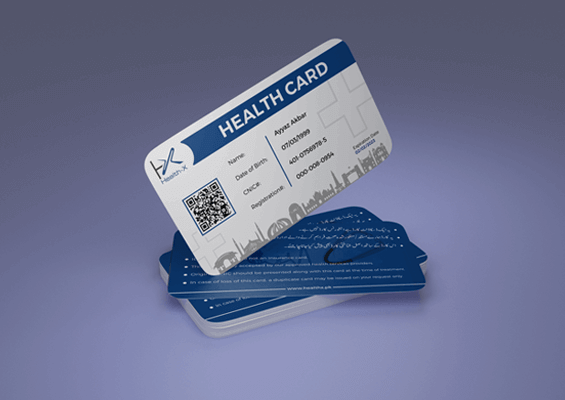
Some healthcare facilities add a biometric layer. Fingerprint-match-on-chip technology performs all template comparisons inside secure silicon. It never exports raw biometric data. This eliminates risks created by server-side biometric databases. Biometric-ready chips help in mental-health facilities, senior-care centres, and restricted research labs. Access is personal, fast, and very hard to forge. Test cases from the ISO/IEC 19794 framework prove that match-on-chip systems reduce false acceptance rates by more than 30% compared to server-based processing. This makes biometric Healthy Card designs more reliable for critical workflows.
Contactless RFID and NFC Chips for Faster Patient Check-In
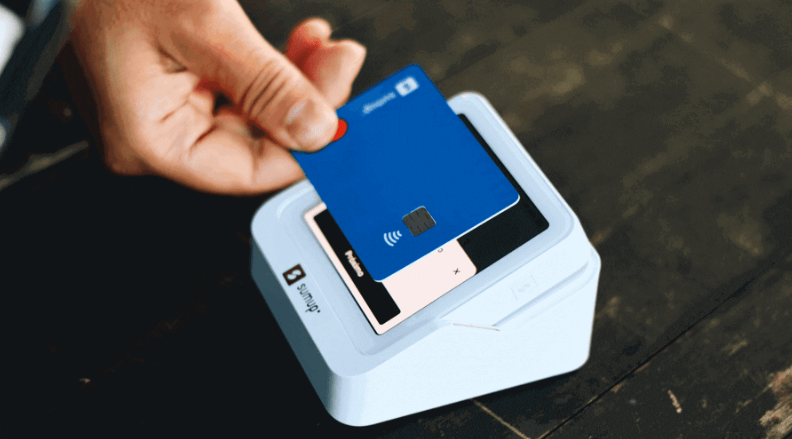
Some hospitals prioritise speed. Contactless chips offer quick authentication with minimal physical handling. HF (13.56 MHz) chips with encryption support secure NFC-based access. These chips work well for patient check-in kiosks, pharmacy windows, and lab specimen tracking. They also help reduce contamination risk because they have no card reader slot. Modern contactless medical cards comply with the ISO/IEC 14443 standards. This ensures compatibility across most commercial NFC readers. Many U.S. hospitals use these chips to shorten queue times. Faster check-in reduces crowding and improves patient flow in busy departments.
Long-Term Reliability and Tamper Resistance in Medical Cards
Medical data may need to remain accessible for ten years or longer. That means durability matters. Secure medical chips include tamper-evident layers, voltage sensors, and glitch-detection circuits. When they detect abnormal behaviour, they immediately lock down. This protects encrypted content from probing attacks—chip makers also test cards under humidity, abrasion, and temperature cycles. Many follow the IEC 60068 environmental testing rules. Healthcare facilities can rely on these chips because they withstand long-term daily use. Reliability like this keeps patient workflows stable and predictable year after year.
Healthy Card Security Benefits and Adoption Outlook
A well-chosen Healthy Card solution improves data protection, workflow speed, and authentication accuracy. Different chip types serve different needs. Java Card chips support multi-function use. AES-enabled microcontrollers secure patient records. Biometric-ready chips deliver stronger identity verification for sensitive departments. Contactless chips improve hygiene and convenience. Healthcare systems will continue adopting secure card-based models because they balance portability and strong encryption. As digital healthcare continues to expand, these medical cards will help providers protect patient information without slowing down daily operations.